
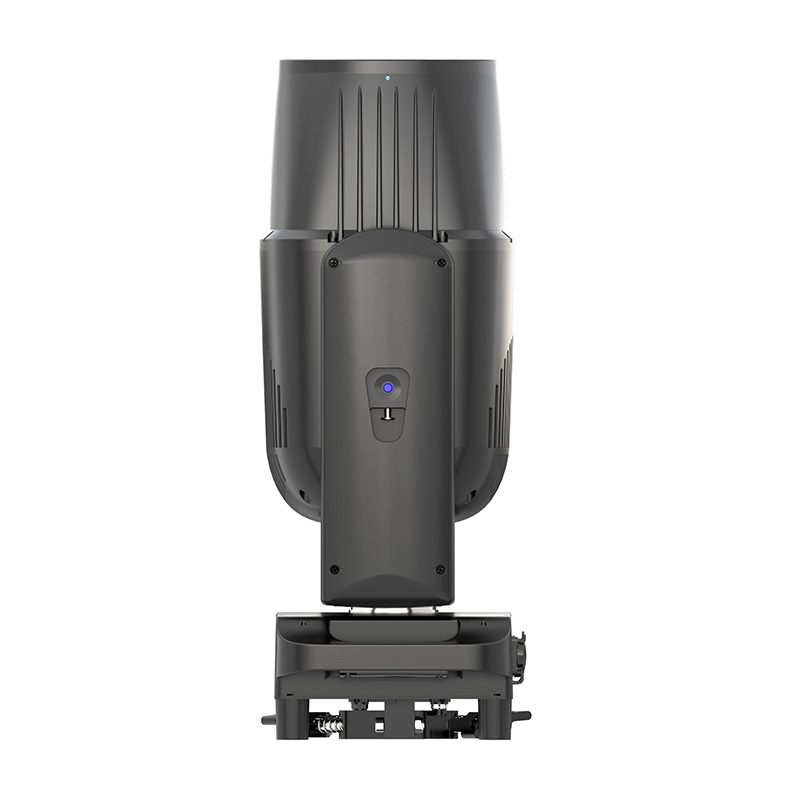
When you need tight beams, fast pans, and reliable operation on big stages like Coachella, the choice between models matters. This comparative guide cuts through spec sheets to show what really changes the look and the run rate—starting with practical choices like a waterproof moving head light versus an indoor-only fixture. I’ll compare beam quality, control responsiveness, and durability in real production terms so you can pick gear that holds up under touring schedules and open-air festivals.
What this comparison targets
This piece focuses on four decision drivers: optical output (lumens and beam angle), control and timing (DMX512 latency and pan/tilt speeds), build reliability (IP rating, cooling), and serviceability on site. The comparative logic keeps a tech-first, simplified tone—no marketing fluff. Expect clear trade-offs: brighter doesn’t always mean better, and a tighter beam can demand more precise rigging and lenses.
Key specifications that move the needle
Watch these specs closely during evaluation. Lumens tell you raw output but pair that with beam angle to understand perceived intensity. A 2000-lumen fixture with a 2.5° beam reads much brighter at distance than a 4000-lumen, 10° unit. Look for DMX512 implementation details—how many control channels are used and whether the fixture supports sACN for networked shows. Mechanical items matter too: tilt/pan speed, gobo quality, and zoom range affect programming complexity and visual results.

Operational production teardown
Here’s a short teardown of how a fixture performs on tour. First, serviceability: can you swap the LED module or clean the fans without split-screws and removed rigging? Second, power and heat: check PWM rates to avoid camera flicker and confirm the cooling path is accessible. Third, accessories: frost filters and barndoor-style shutters change wash-to-beam behavior. For clarity, I’ll drop two operational tags used in procurement: {main_keyword} and {variation_keyword}—they represent the procurement spec and the on-stage variant respectively. These help teams track which model goes into a case and which gets the outdoor protective gasket.
Comparative snapshot: waterproof vs indoor moving heads
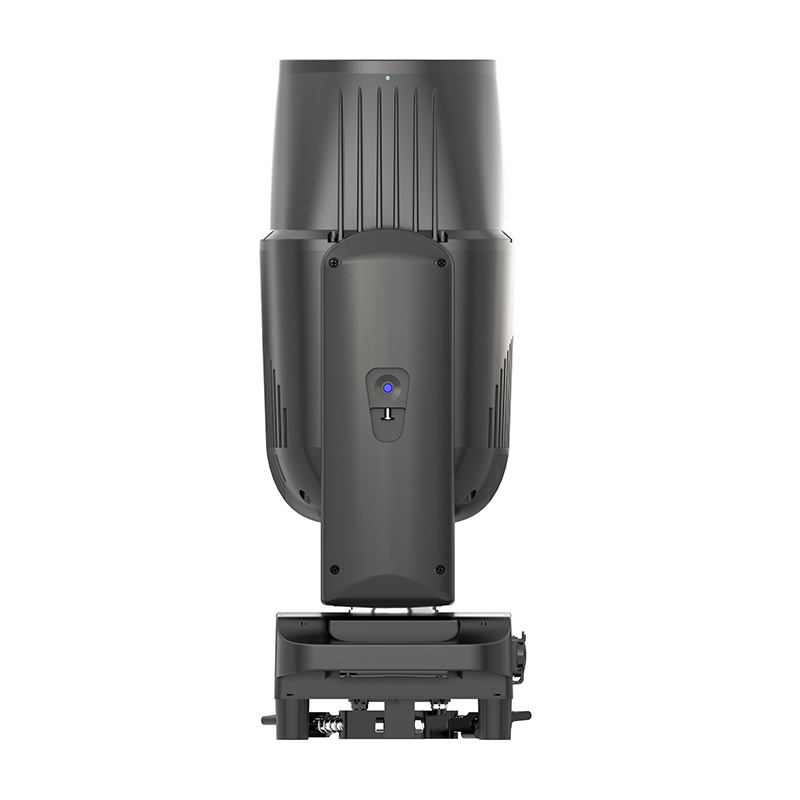
Waterproof units trade some weight and optics options for IP-sealed housings and a more robust cooling strategy. That means fewer lens choices but better uptime in rain or dusty environments. Indoor models often offer finer beam control—more gobos, tighter zoom—so they suit theatres and TV. For mixed production rigs, consider a hybrid approach: use waterproof moving heads on roof arrays and high-output indoor fixtures for close-up audience effects.
Common mistakes and practical fixes
Teams often overspec lumen numbers while underestimating beam placement and rigging load. That leads to wasted power and inconsistent arrays. A typical fix: prioritize beam angle consistency across the rig and verify pan/tilt timing to prevent motion lag during sequences—this saves reprogramming time. Also, skip vendor claims about lifetime hours without asking for real maintenance logs from top commercial suppliers—those logs show service intervals and actual uptime.
Brands and sourcing
Buyers should cross-check models against reputations and field reports from established top commercial lighting manufacturers. Manufacturer support matters as much as specs—on-site parts availability, firmware updates, and clear wiring diagrams shorten downtime. When possible, request a loaner for one festival run to validate choices under real conditions.
Advisory: three golden rules for selection
1) Match beam angle to viewing distance and audience density: favor narrower beams for distant, large venues and wider beams for intimate stages. 2) Insist on clear control protocols: choose fixtures with documented DMX512/sACN behavior, channel maps, and low-latency response. 3) Validate serviceability: confirm modular parts, accessible cooling paths, and local spare parts stock—these reduce show risk significantly.
Final thought—products stand or fall in the field; specs matter, but uptime wins. Light Sky. –