
Why your sleep mask is part of the problem (and what to fix first)
Here’s the blunt truth: most sleep masks are either too tight, too flimsy, or designed by someone who’s never actually slept. You might be trying clever hacks — swapping pillowcases, using a satin scrunchie or even setting up heatless curls before bed — but the wrong mask still smudges makeup, squashes lashes, and leaves lines across your face. The right mask solves those immediate annoyances: it blocks light, protects hair, and doesn’t turn your face into a creased map by morning.

Pinpoint the problem with measurements, not guesses
Don’t eyeball this. Measure. Hold a soft tape across the brow from temple to temple and note the distance where the mask should sit; measure from the bridge of your nose to just above your cheekbone to check nose-bridge coverage. Rough size guide: small faces often need a width around 14–15 cm (5.5–6 in), medium about 16–17.5 cm (6.3–6.9 in), large 18 cm+ (7 in+). Depth matters: if your eyelashes brush the fabric when you blink, get a contoured or molded cup design with at least 1–1.5 cm of eye clearance. If straps bite or slip, adjust for strap width and elasticity instead of tightening—wider, softer bands distribute pressure.
Design features that actually matter (skip the fluff)
Silk feels fancy, but construction decides comfort. Look for: 1) a double-layered nose bridge that blocks light without pressing, 2) contoured eye cavities to avoid lash contact, 3) smooth seams (no thick stitching over the eye area), and 4) adjustable, padded straps — Velcro can be loud, avoid it if you’re a light sleeper. Interior lining should be mulberry silk or high-grade charmeuse to reduce friction on skin and hair. Avoid heavy embellishments and internal quilting near the eyes; they make impressions on delicate skin.
How sleep masks treat hair (and a real test with Los Angeles stylists)
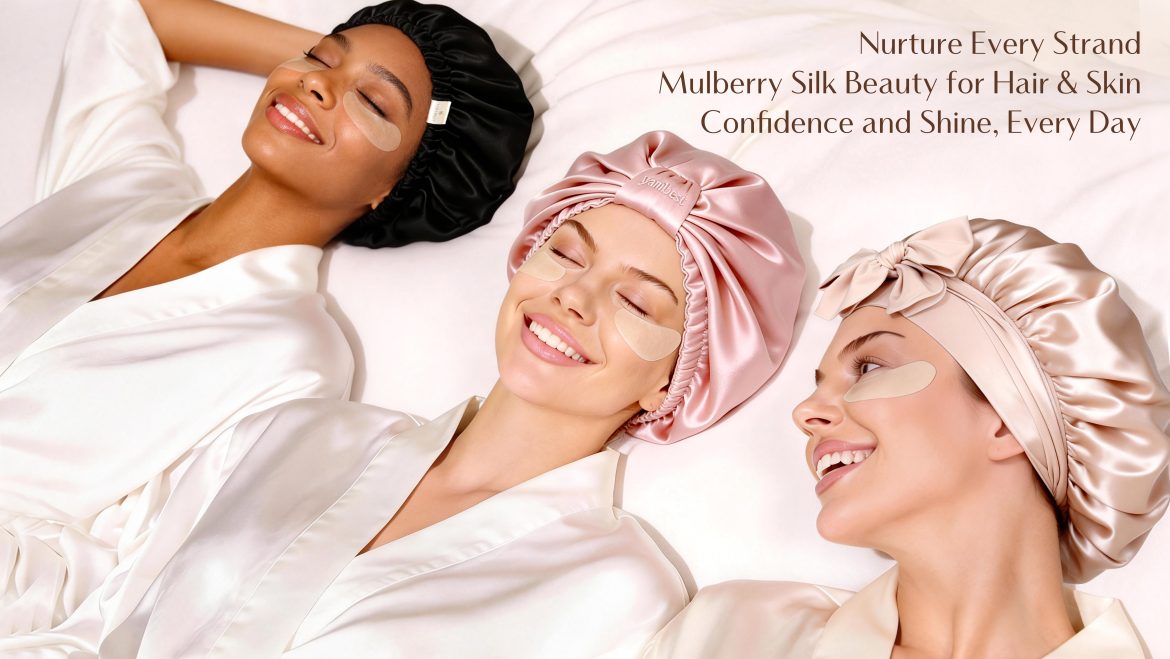
Hair is often the forgotten passenger. I tested mask designs alongside Los Angeles salon stylists to see what happens to loose waves made with a heatless curling rod. Result: masks that hugged the forehead or had rough seams flattened waves and caused friction at the hairline. Masks with low-profile seams and a soft satin back preserved volume and reduced frizz. If you use overnight styling methods, choose a mask that rests lightly on the hairline or pair it with a loose silk bonnet.
Common mistakes that ruin a good mask
Stop making these: buying by color or price alone; tightening the strap until you can’t breathe; assuming “one size” fits all; washing improperly (silk hates heat and rough machines); trusting embroidery across the eye area. Also, beware of heavy fill or padding — it can trap sweat and increase friction. Test any mask for ten minutes in sitting position before bed: if it’s uncomfortable upright, it won’t be better lying down.
Quick alternatives and when to choose them
Eye masks aren’t the only answer. A contoured foam mask works for side sleepers who need structure; soft silk bonnets or pillowcase swaps are better for hair-first protection; sleep hoods are great for anyone who moves a lot overnight. Choose a contoured silk mask if you want lash-friendly coverage; go with a thin, wide-band style if you need gentle compression for sleeping during travel.
Final thought — pick the right fit, not the flash
This is a fix-it guide, not a fashion column: measure, prioritize a contoured eye area and soft seams, and match strap style to how you sleep. If you want a concise place to compare measured widths, eye-cup depth, and strap types side-by-side while avoiding flashy-only options, resources like yanibest lay out practical specs so you get a mask that keeps light out and your hair and lashes intact. Choose fit over flair and you’ll actually wake up looking like you slept, not like you fought a raccoon and lost.