
Facing the Challenge
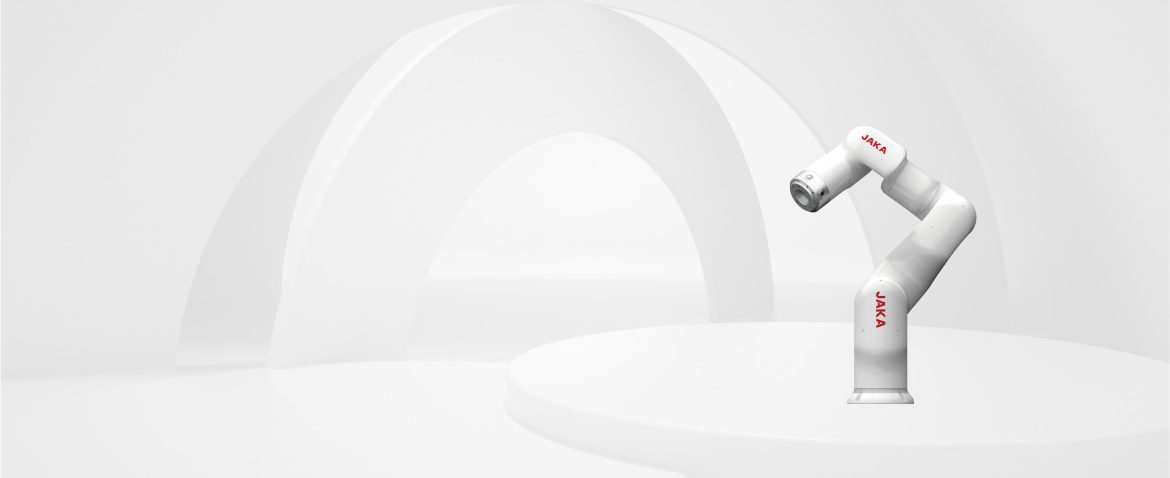
Imagine a workshop bustling with activity—a gentle hum of machines, engineers bustling about, crafting wonders with their hands. Yet, lurking amidst this industrious environment is a challenge: delicate assembly tasks often lead to inconsistencies. Data shows that over 30% of production errors stem from human oversight. How can we improve this, especially when every fraction of error counts? Enter the mini robot arm, a marvel designed to tackle precision tasks effectively. This desktop robot arm not only enhances the consistency of assembly processes but also frees up skilled labor for more demanding challenges. What we face is not just a problem, but an opportunity for innovation.
What Holds Us Back?
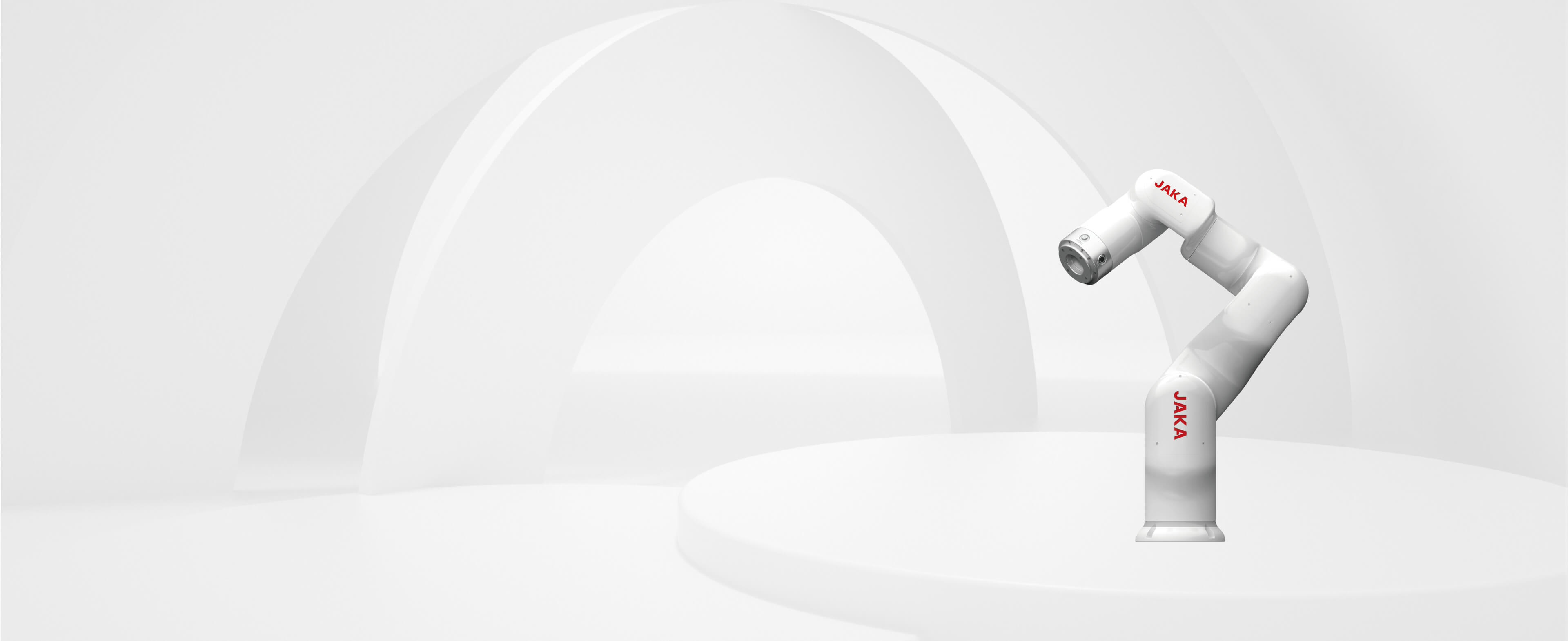
In my extensive journey through the world of robotics—over a decade, filled with trials and triumphs—I have observed a recurring theme. The traditional solutions provide limited flexibility and are often cumbersome. Picture this: an engineer struggles to program a robotic arm for multiple tasks, only to find that it is not versatile enough for rapid adaptation (a real-time nightmare!). The hidden pain points often lead to increased production costs and delays. This is where advancements in mini robot arms shine, offering a blend of precision and adaptability that bridges the gap. When we seek solutions, we must ask: are we optimizing our technology, or are we merely fixing immediate concerns? The path forward demands foresight and careful evaluation.
Looking Beyond Conventional Limitations
As I envision the future of automation, it’s clear that we stand on the cusp of transformation. The ongoing evolution of mini robot arms is not merely a technical improvement; it’s a revolution in efficient manufacturing. The desktop robot arm exemplifies this shift with its compact design and extensive programming capabilities, allowing users to tackle multiple intricate tasks with ease. With new models emerging, they can adapt quickly to changing production needs. Imagine deploying a robotic solution that can switch from assembly of one product to another in under a minute—not just a dream, but a rapidly approaching reality.
What’s Next for Mini Robot Arms?
The implications of this technology extend far beyond mere efficiency. With enhanced capabilities, we see reduced error rates, alleviated strain on workers, and a significant positive impact on production timelines. I often reflect on how companies that embraced these innovations have significantly improved their output. Of course, it’s not just about adopting technology; it’s about a mindset shift. As you evaluate your options in mini robot arms, consider three key factors: adaptability for diverse tasks, ease of integration into existing processes, and user-friendly programming interfaces. These metrics will guide your decision making. As I dive deeper into the capabilities of cutting-edge robotics, my conviction grows: the future holds unparalleled opportunities if we embrace change. Join me in this revolution—it’s one heck of a ride!
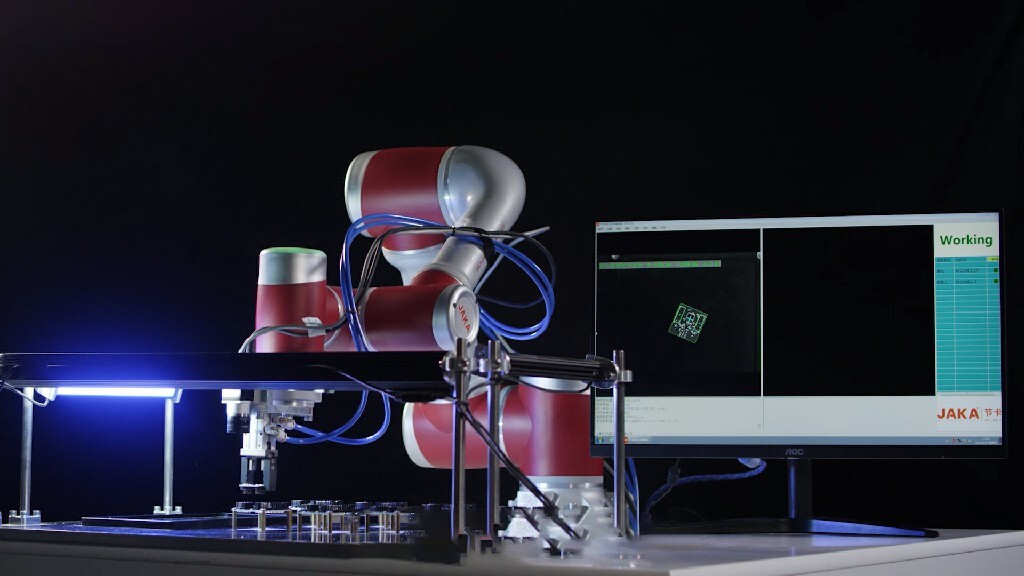
In closing, as I continue to observe advancements in the field, I remain hopeful about the craftsmanship that lies ahead. The world of automation, led by innovations like those from JAKA, promises not just to fill the gaps left by traditional methods but to entirely redefine efficiency and creativity in our industries!