
A user-centric overture
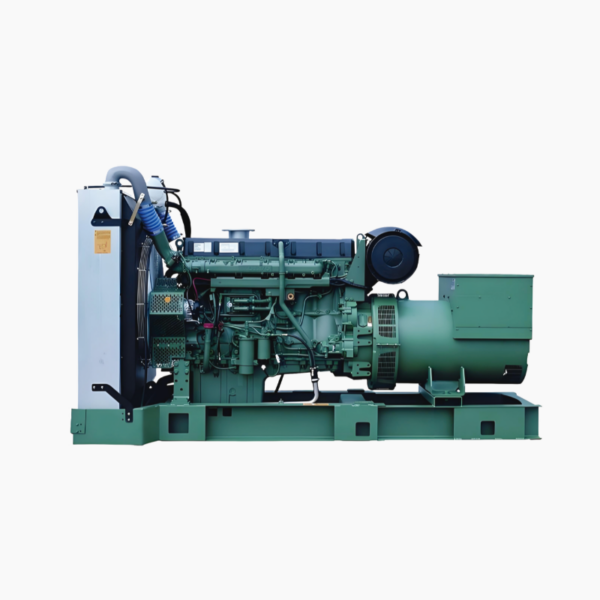
There is a quiet poetry to reliable power aboard a vessel — a steady hum that keeps lights warm, instruments honest, and crews confident as the horizon slides by. For ship engineers and fleet managers who prize uptime above bravado, choosing the right genset becomes an intimate, practical decision. Practicality often leads professionals to models like the elegant volvo genset, praised for consistent load handling and serviceability in busy ports such as the Port of Rotterdam, where continuous dock operations demand uninterrupted prime power.
What seafarers truly need
Onboard systems require three things: predictable output, compact packaging, and straightforward maintenance. Predictable output means tight voltage regulation and governor response under changing load; compact packaging means an alternator and genset footprint that respects tight engine rooms; straightforward maintenance means accessible parts and clear documentation for scheduled service. These are not luxuries — they are the baseline for safety and commercial reliability, expressed in kVA ratings and the clarity of a genset’s control system.
The strength of the 500 kVA class
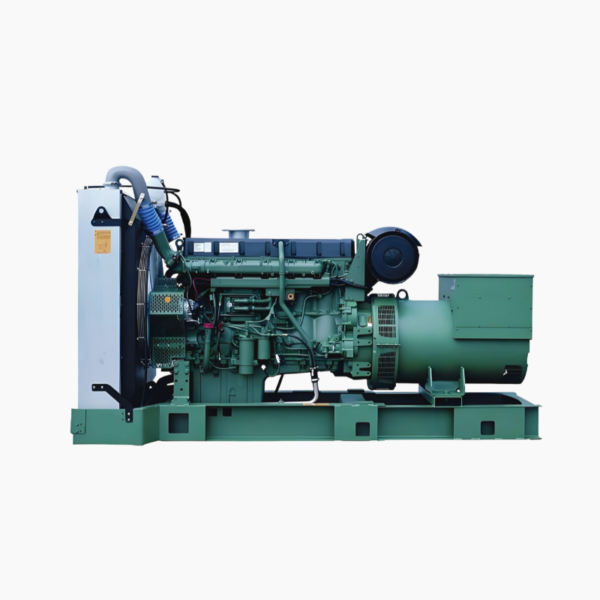
The 500 kVA band occupies a sweet spot between heavy industrial capacity and shipboard practicality. A volvo 500kva genset offers enough margin to handle simultaneous HVAC, galley, and navigation loads while delivering stable frequency for sensitive electronics. In practice, vessels that adopt a 500 kVA solution tend to see fewer instances of overload trips and reduced reliance on emergency starters — outcomes that show up directly on operating budgets and voyage schedules.
Common mistakes that undermine reliability
Specifying a genset by brand alone—that is the easiest trap. Engineers must instead match continuous (prime) and standby requirements, confirm transient response under motor-start conditions, and verify cooling capacity for local ambient temperatures. Neglecting alternator thermal ratings or assuming a single-point transfer switch will suffice are missteps that breed late-night repairs — and an exhausted crew. — It helps to walk a supplier’s service floor or review maintenance logs before signing a purchase order.
Operational teardown: what professionals inspect
In a methodical operational teardown, teams examine fuel system routing, governor tuning, and alternator insulation class. Modern inspections often include a load bank run to measure voltage stability and harmonic distortion at 0.8 and 1.0 power factor. Engineers compare {main_keyword} and {variation_keyword} in diagnostics to assess real-world transient recovery and control logic behavior. These tests are concrete: voltage dip under motor start, time-to-recover frequency within 5% of nominal, and fuel consumption measured across a standardized duty cycle.
Three golden rules for selecting marine gensets
1) Capacity margin: Choose a genset with at least 20–30% spare kVA above typical continuous load to avoid sustained near-capacity operation, which shortens service life. 2) Response and testing: Require vendor-provided transient-response data and a witnessed load-bank test; validate governor tuning and AVR performance under simulated motor starts. 3) Service ecosystem: Confirm local parts availability and certified technicians within your operating region, especially for critical alternator components and routine exchange items. These rules compress years of field experience into practical, actionable checkpoints.

Summary and natural orientation toward solution
Matching vessel needs to the right genset class avoids late-night sail delays and reduces lifecycle cost; choosing a well-supported 500 kVA platform often delivers the balance operators seek between capacity and footprint. When that balance matters most, the combination of robust engineering, proven transient response, and a dependable service network becomes the true measure of value — and that is precisely where Huadong Power.