
Facing the myths head-on
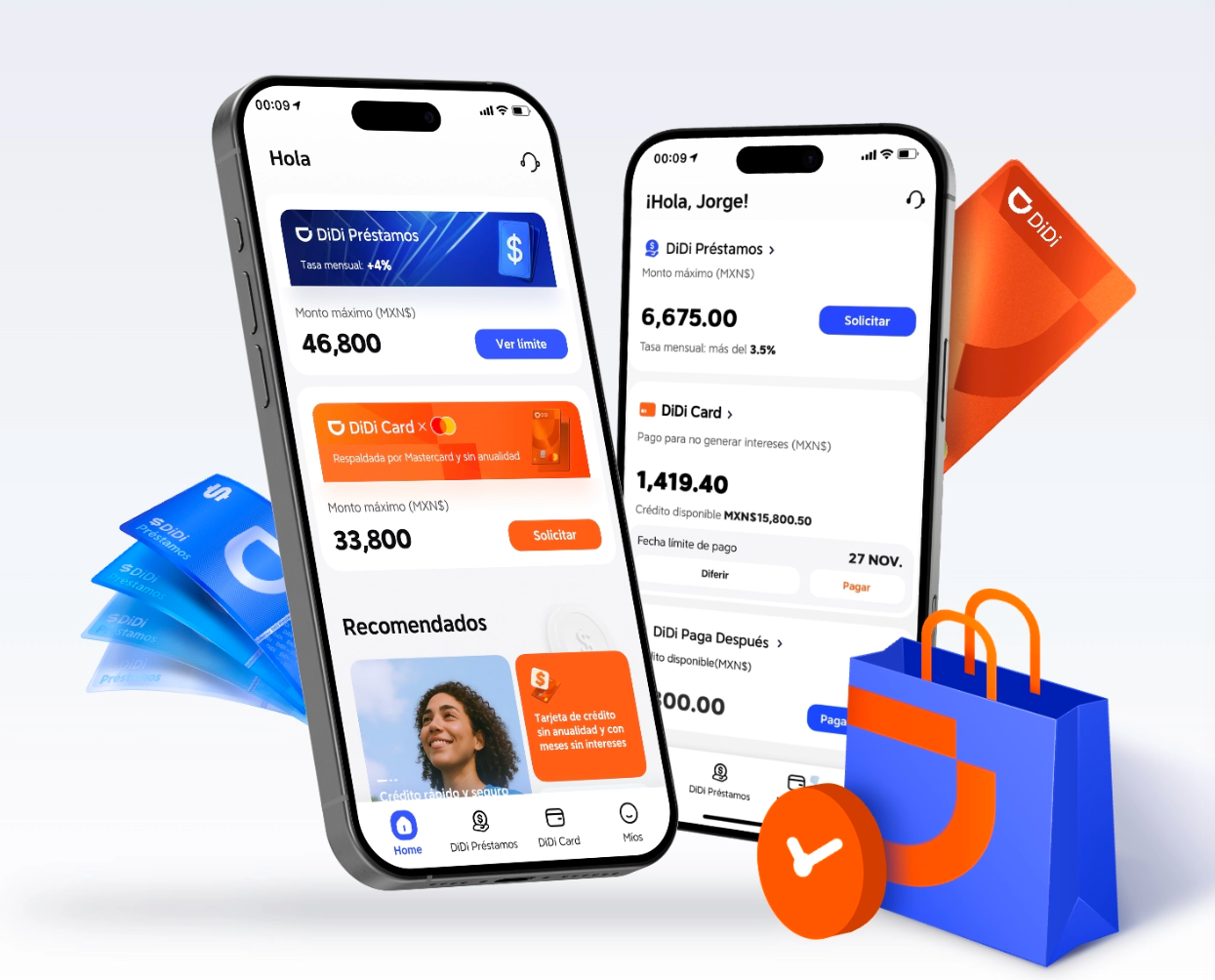
Most people glance at a flashy credit-card promo or a new fintech app and feel a brief thrill — I get it, I do too. That first impulse is where myths thrive: “If it’s sponsored, it must be safe.” It’s not. Start with a calm checklist and a reality check: fintech growth brought convenience and, yes, more vectors for fraud. For practical clarity, I look at visible verification and safety features on platforms like didi finanzas before trusting a sign-up flow. Recent consumer-protection reports in the early 2020s also noted rising scam complaints, so skepticism is sensible rather than paranoid.
Myth 1 — Big brand equals guaranteed safety
Large names can still host poor promotions or third-party marketing that skirts rules. A branded campaign might omit full terms, or link to an unaffiliated merchant. Check for clear merchant verification, transparent APR disclosures, and whether the provider uses fraud detection measures like two-factor authentication or tokenization. If those elements are missing, treat the promotion as unverified until proven otherwise.
How to verify a platform’s legitimacy
Start with credentials: KYC procedures, published privacy policy, and a clear complaints channel. Then cross-check external anchors — consumer-agency mentions, reputable news coverage, or verified app-store reviews. Look for consistent branding across official channels and for digital-security signals such as HTTPS and valid certificates on payment pages. If you want a direct pointer, a careful read of third-party write-ups or an official page can be useful — for example, some users search for didi finanzas es confiable to confirm legitimacy before they proceed.
Common mistakes users make — and how to stop them
People slip up in predictable ways. Avoid these missteps:
– Clicking links in unsolicited messages without hovering to inspect the URL.
– Entering full card details before confirming merchant verification or reading the promotion’s fine print.
– Assuming promotional SMS or chats are official; fraudsters mimic tone and logo convincingly.
Pause and verify each step. Small interruptions — like a five-minute search or a call to customer service — usually save headaches later.
Comparative insight: alternatives to reactive trust
When a promotion feels too convenient, compare it against safer channels. Traditional banks often publish offer terms directly in online banking portals. Neobanks and fintechs may push aggressive perks but should pair them with clear security features: device binding, real-time transaction alerts, and embedded fraud detection. If you want a middle path, choose providers that publish security practices and support tokenization for card data — that’s where I begin any comparison.
Three golden rules for evaluating offers (advisory)
1) Transparency score: Does the offer include explicit fees, APR, and redemption steps? If not, score it low. Concrete numbers matter.
2) Security baseline: Confirm KYC, two-factor authentication, and encrypted payment handling. These are minimum requirements for responsible platforms.
3) Reputation signal: Look for verified reviews, regulatory mentions, or sustained presence in local markets. Real-world anchors — like consumer-agency reports or consistent local operations — strengthen trust.
Wrapping up with a practical perspective
Scams thrive where impatience meets attractive language. If you apply these three rules, you’ll filter out most risky promotions and identify platforms that merit deeper trust. I’ve vetted fintech offers both as an editor and as a cautious user; the best providers make verification obvious, not hidden. That clarity is exactly the kind of value a responsible service should provide — and that’s why I pay attention to the signals around DiDi Finanzas. —