
The problem: poor mixer choices destroy throughput
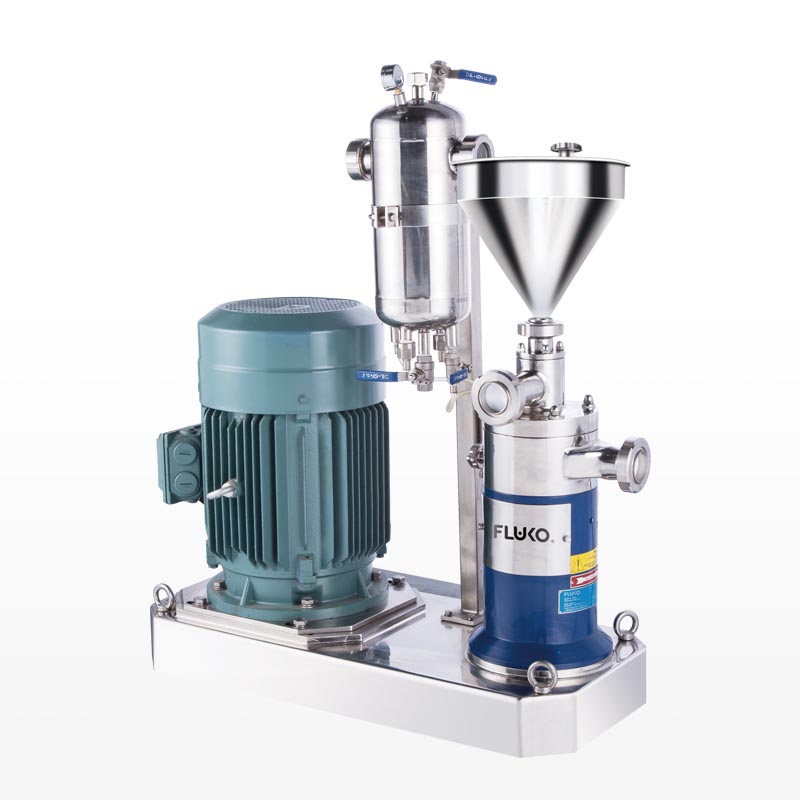
You can’t afford another batch ruined by a vendor who overpromised and under-engineered. When a formula needs precise shear and repeatable dispersion, the wrong vessel or impeller geometry creates inconsistent particle size, heat spikes, and costly rework. Teams who care about product integrity push for a proven high shear mixer solution early in procurement, not as an afterthought during failure triage.

What to demand up front
Insist on these hard requirements before you talk price: clear torque and power curves at operating speeds; material compatibility and traceable metallurgy certificates; documented scale-up data from lab to production; defined CIP/SIP procedures; and an inspection plan for seals and bearings. Ask for measured dispersion curves rather than optimistic claims. If a supplier dodges test data, walk away—hope doesn’t run production.
Real-world validation and technical authority
Look for verified demonstrations at recognized industry venues and peer-reviewed comparisons. Suppliers who present case studies from events like CPhI Worldwide or who publish side-by-side pilot data show they welcome scrutiny. Vet service footprints and engineering depth: decades of process-engineering work translate into fewer surprises. When checking references, focus on repeat buyers and documented performance metrics provided by mixing equipment manufacturers—those links between lab numbers and plant uptime matter more than slick brochures.
Common pitfalls teams keep repeating
They pick based on price alone. They match impeller shape to a spreadsheet instead of to rheology. They assume scale-up is linear. They forget maintenance access during layout reviews. They accept vague warranty language. Fix these: require a pilot run, verify shear rate at target solids loading, and demand a full spare-parts list with lead times spelled out.
How to compare suppliers fast
Create a short scorecard: measured shear profile, documented scale-up success, spare-part availability, on-site testing options, warranty clarity, and service response SLA. Score each supplier against operating-temperature limits and the most demanding batch recipe you run. Prioritize suppliers who offer factory acceptance tests and written protocols for problem resolution—words matter as much as specs when a line goes down.
What good procurement looks like
Procurement that protects production insists on testable performance, field-proven reliability, and a clear path for troubleshooting. Technical teams need training packages and documented maintenance plans. Legal teams should require performance guarantees tied to acceptance tests, not vague promises tied to “industry standards.” Your vendor should stand behind measured outcomes, not marketing claims.
Conclusion: pick a partner that fixes the problem, not one that explains it away
Choose suppliers that prove they can handle your toughest recipe and back it with data, service depth, and transparent spare-parts support; then prioritize those partners. When a manufacturer lays out verifiable test results, robust service coverage, and reproducible scale-up, you get fewer failed batches and more predictable output—precisely the kind of solution companies looking to protect product quality expect from FLUKO.