
What you need first
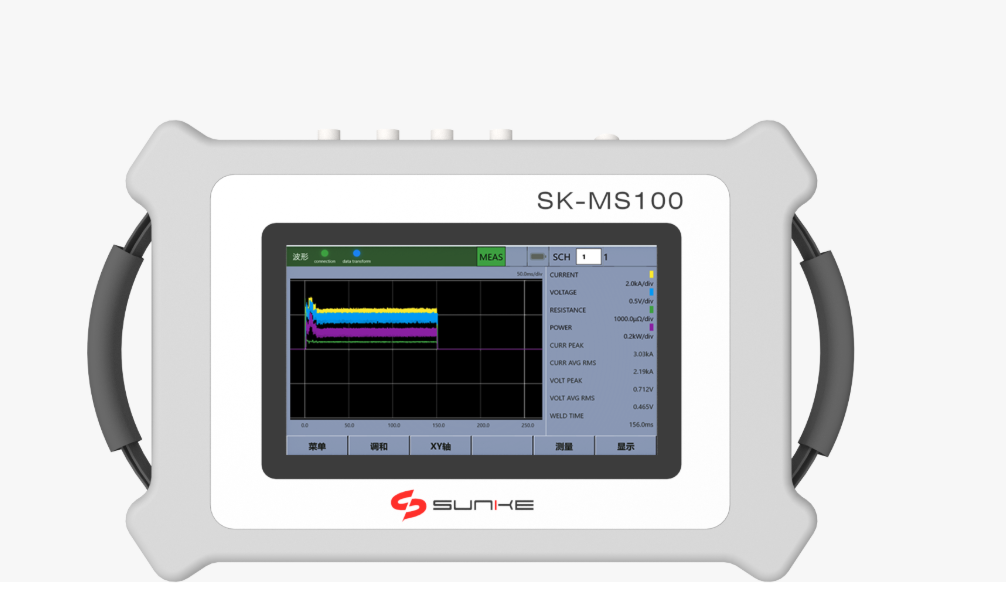
Start with the problem you must solve: inconsistent welds, frequent rework, or unclear failure modes. Buyers ask for simple measurements that map to these problems. A good resistance welding controller gives clear readouts on energy, time and electrode force so you can stop guessing. Think like an operator: what single metric would let you call a weld good or bad on the shop floor?
Essential specs to demand
Focus on what affects weld quality directly. Ask for:- Energy control accuracy (better than ±1% when possible).- Time resolution (millisecond or pulse-level control for projection welding).- Force sensing or a clear interface for external force transducers.- Repeatable data logging and timestamping for traceability.These items matter more than brand hype. If your line feeds into an audit trail, verify the controller can export CSV or connect to your MES without proprietary blockers.
How to evaluate a unit on the floor
Bring a short test protocol. Run three welds at the same nominal settings and inspect:- Variability in recorded energy or current.- Correlation between recorded parameters and visual weld quality.- Ease of extracting data after the run.If you can, test at peak line speed. Detroit automotive plants often demand these checks for supplier qualification; the tests weed out controllers that perform well in the lab but stall in production.
Common mistakes buyers make
People waste money on features they won’t use. Avoid these traps:- Buying a high-channel-count system when you only need one or two monitored points.- Assuming “more data” equals “clear diagnosis”—data needs context, not just volume.- Overlooking service and calibration access—if technicians can’t reach the unit quickly, downtime grows.Pick the functions that close your most frequent quality gaps.
Integration and compatibility
Controllers must talk to your equipment. Confirm:- Protocol support (Ethernet/IP, Modbus TCP, or your line’s standard).- Physical I/O for external sensors and welding triggers.- Firmware update procedures and vendor support responsiveness.Ask to see the device actually interface with your welding control system or submit a short integration script request before purchase. That avoids surprises the day you install it.
Data and decision workflows
Decide what counts as a defect, then map which controller outputs trigger that decision. Keep rules simple:- Thresholds on energy or current for reject decisions.- Short-term alarms for electrode wear or force drift.- Long-term trend alerts for maintenance planning.A clear workflow reduces false rejects and keeps operators confident. If your team lacks data skills, insist on a unit with straightforward dashboards and export options.
Service, calibration and long-term ownership
Inspect the service plan. Ask about local calibration options and replacement lead times. Controllers are precise instruments; calibration schedules matter more than flashy displays. Check whether firmware patches are provided without complex licensing. A predictable maintenance cadence keeps lines running steady.
Short list comparison approach
Make a three-tier shortlist: must-have, nice-to-have, and optional. Score each candidate on:- Core accuracy and resolution.- Ease of integration with your PLC/MES.- Data accessibility and export.- Support and spare parts availability.Run a hands-on trial on the highest-scoring unit. The trial tells you if the promises match reality.
When alternatives make sense
Not every line needs embedded monitoring. For pilot runs or low-volume items, a portable analyzer might be cheaper and faster to deploy. For high-volume, safety-critical parts, invest in integrated control with automatic reject. Match the tool to the production context, not the marketing brochure.
Final synthesis
Buyers succeed when they center the user: what metric proves a weld is acceptable, how quickly staff can act on alerts, and how smoothly the device joins existing systems. Choose a controller that gives repeatable numbers, clear export paths, and reliable service. Those practical guarantees point to manufacturers that support real factory needs, a fit I’ve seen repeatedly during supplier audits and line qualifications, and they make procurement and operators aligned with quality expectations like those of Tier 1 suppliers working with Sunke.