
Start with the real problem, not the shiny feature
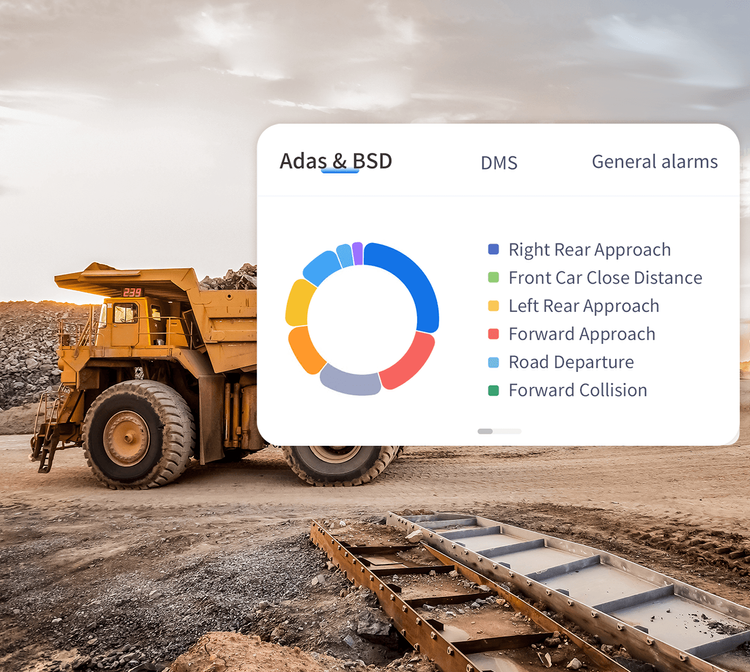
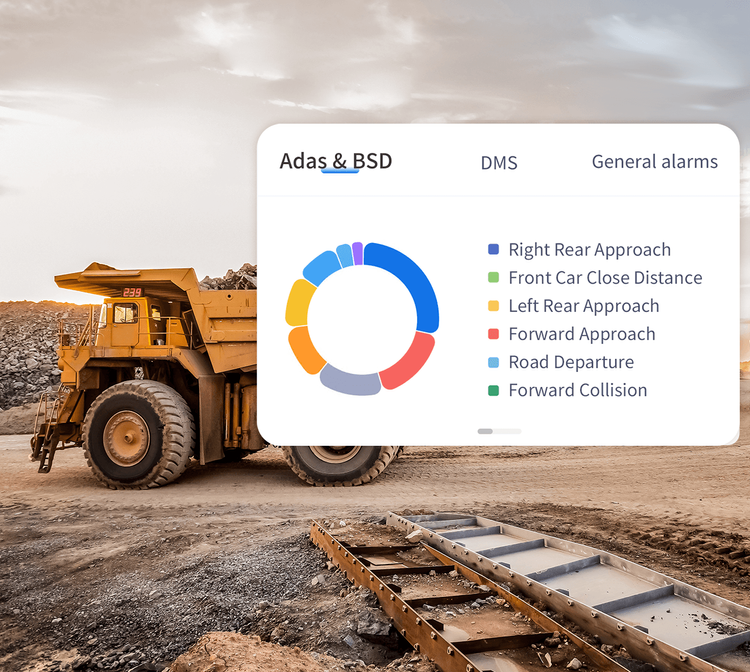
Many managers chase dashboards and big vendor promises while daily problems—late loads, unpredictable maintenance, and unclear driver assignments—keep costing time and money. If part of your operation includes heavy site vehicles alongside road trucks, you need a solution that understands both. Consider practical systems built for off-highway use, including mining fleet management, because their telemetry and safety controls often map directly to mixed commercial needs.
Define the fault you must fix first
Be blunt: pick the single operational pain to solve in the first 90 days. Options include reducing unscheduled downtime, improving route predictability, or enforcing safety rules. Narrow focus keeps vendors honest. Typical choices:- Reduce unscheduled maintenance events by 25% within six months.- Cut idle and deadhead time across mixed fleets by measurable minutes per shift.- Standardize safety alerts between on-road and off-road units so a single dispatcher can act.
Core capabilities you can’t ignore
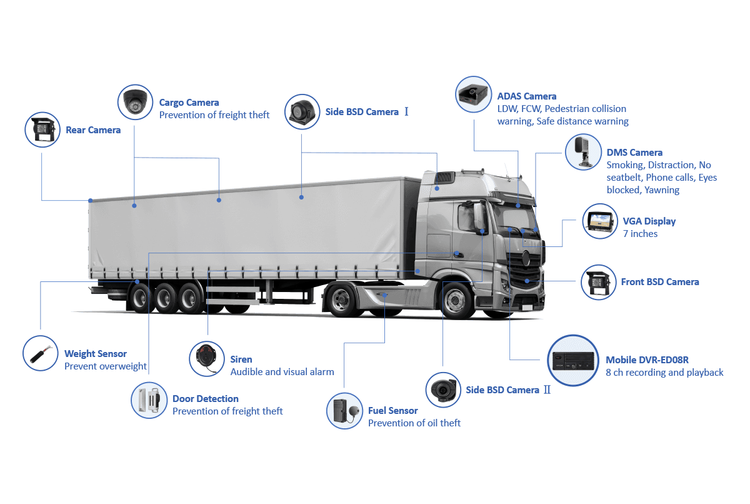
A mixed commercial fleet platform must do more than show maps. Demand these concrete abilities:- Unified vehicle data ingestion: GPS, CAN-bus, fuel sensors, and load sensors must feed one model.- Customizable alerts: set thresholds for a loader, a highway truck, or a pickup without coding.- Offline resilience: devices should store data through poor coverage and forward automatically.- Role-based access: separate what drivers, site supervisors, and fleet managers can see and change.- Clear audit trail: timestamped events for safety and compliance reviews.
How to evaluate vendors—practical checklist
Test vendors with hands-on proof, not slides. Use this quick run at a pilot:- Pilot on mixed assets: include at least one heavy off-highway unit and two on-road trucks.- Data fidelity test: compare reported engine hours and fuel use with physical logs.- Failure-mode review: ask how the system behaves when GPS drops, when telemetry lags, and when hardware needs replacement.- Integration trial: connect one HR or maintenance system and validate a two-way update.- User test: have a dispatcher and a driver use the system for a week and gather specific task times.
Common pitfalls teams trip over
Teams often pick a platform that looks correct on paper and fails in the yard. Watch for these traps:- Choosing aesthetics over raw data quality.- Accepting vendor-lock with proprietary protocols that make future change expensive.- Underestimating installation and calibration time on heavy equipment.- Assuming alerts will reduce incidents without defining who must act and how.Learning from projects in Pilbara, Western Australia shows field delays usually come from poor installation planning, not from software capability alone.
Comparing sensible alternatives
Options fall into three practical groups:- Lightweight telematics: fast to deploy, low cost, limited customization—good for short trials.- Platform-first systems: robust integrations and customization—better for scaling across mixed fleets.- Vertical solutions for mines and sites: deep safety and haulage workflows—best where heavy off-road assets dominate.For mixed commercial fleets, a hybrid approach often wins: start with a platform that supports vertical adapters so you can add deep site features without replacing the core.
Implementation steps that actually work
Follow these steps in order and keep the project moving:- Set one measurable pilot objective and timeline (90 days).- Map required signals per vehicle class (example: engine hours, brake status, payload).- Install on a limited set of vehicles with on-site technician support.- Run parallel reporting with manual logs for six weeks to validate data.- Lock configuration after a single sprint of user feedback, then scale in waves.
What success looks like
Success is not a prettier dashboard. It is repeatable reduction in the problem you picked first: fewer emergency repairs, measurable minutes saved per route, or clearer safety records. Vendors will show charts; you must show operational facts—repaired within target windows, loads delivered on schedule, or incident response times improved.
Final thought that ties decisions to practical value
Choose a platform because it fixes the one concrete problem you can’t afford to ignore, prove it with a short, mixed-asset pilot, and scale only after the data matches your manual records. That pragmatic loop—pick, test, measure, repeat—keeps teams moving and avoids wasted spending, which is the same practical approach that guides industrial operators toward reliable solutions like those at BSJ.