
Introduction — a quiet warning
Have you ever wondered what happens when the air you depend on for work slowly turns hostile? I have. In many shops, a single missed warning can turn a routine day into a health risk (and the numbers back that up: elevated VOC readings and particle counts climb fast). In that cold reality, fume extraction products sit between us and the invisible danger; they are not optional extras. I write from the shop floor and the meeting room. I’ve seen worn HEPA filters and tired fan motors. I know how a faint chemical smell can signal a system that’s failing. So why do we keep treating extraction like an afterthought? This piece moves from that uneasy scene into concrete problems and clearer choices — let’s keep going into the cracks where real fixes live.
Part 2 — Where conventional systems fail (technical view)
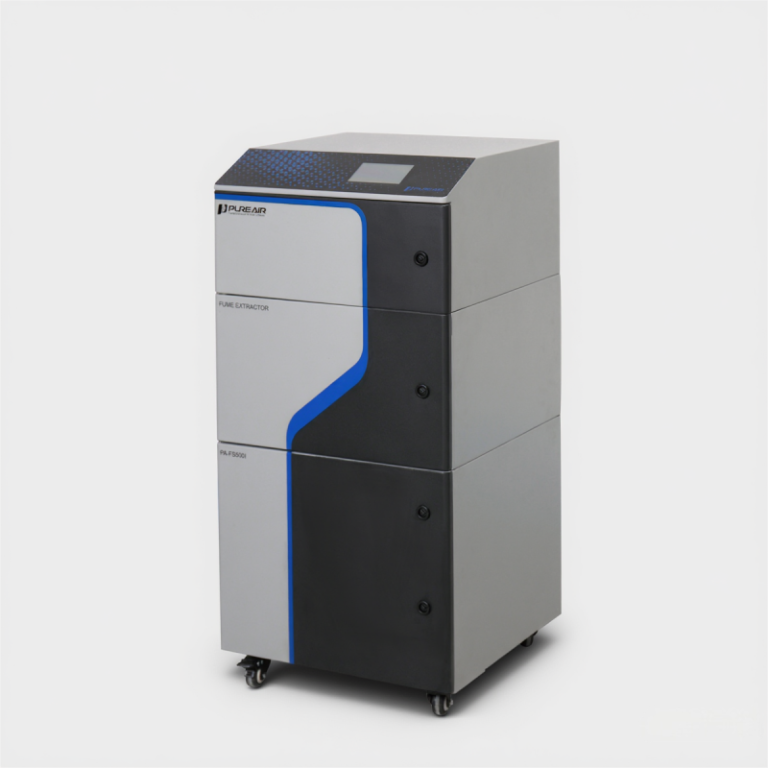
I want to dig in and name the flaws I see again and again with a printer fume extraction system. First: many setups are undersized. Designers pick extraction arms and ducts that look right on paper but miss real airflow rates. That mismatch creates dead zones. Second: maintenance gets ignored. Filters — whether HEPA filter packs or activated carbon beds — clog and lose efficiency. Third: control logic is primitive. Systems often run full blast or not at all, wasting energy and shortening fan motor life. I’ll be blunt: poor installation and cheap controls make even good filtration media useless.
Why do these failures matter to users?
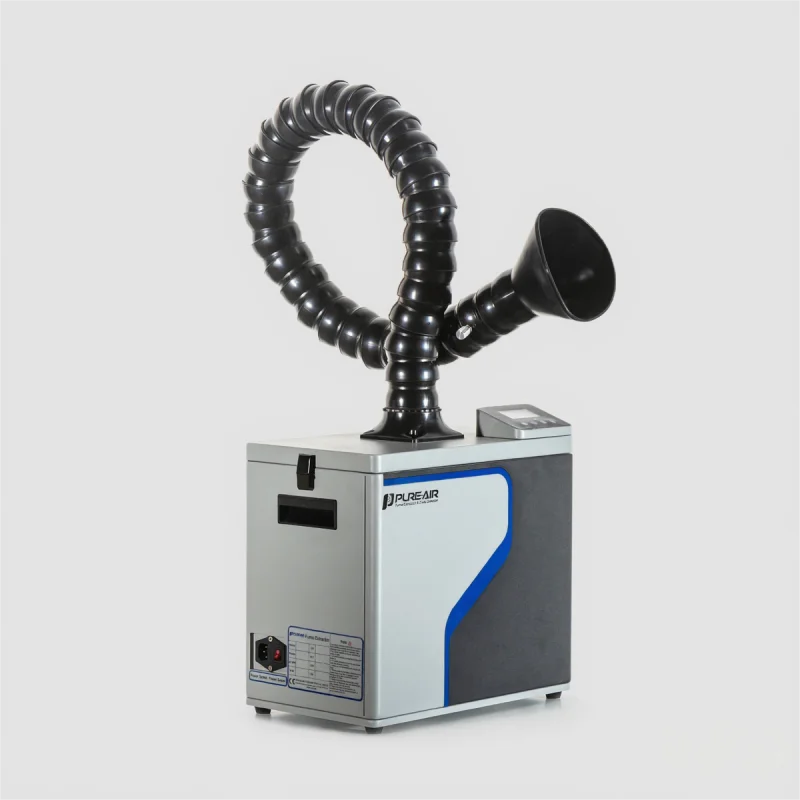
Because they cost money and health. Workers complain about headaches, and managers see downtime. I’ve watched teams add DIY ducting or run portable units that simply move the problem. Look, it’s simpler than you think to spot the red flags: fluctuating static pressure, uneven capture at the nozzle, filters that show only external dirt. Those signs mean the extraction arm or hood isn’t capturing emissions at source. In short, the usual fixes ignore capture efficiency and systems thinking — and that’s where trouble grows.
Part 3 — Principles for better systems and what to try next
Now I want to look forward. If we reframe around principles—capture, control, and verification—we start solving the hard stuff. For capture: size ducts and arms to match real-world output, and position hoods to keep the plume inside the capture zone. For control: use variable-speed drives and basic feedback (pressure sensors or simple airflow monitoring) instead of on/off relays. For verification: periodic smoke tests and particle counts tell you if the system still works. I like simple metrics: capture velocity, filter differential pressure, and measured VOC levels. Those three keep you honest. — funny how that works, right?
What’s next for teams that want change?
Practically, pilot a modern printer fume extraction system on one press. Use a clear baseline: pre-install VOC and particle readings, log fan motor amp draw, and record operator feedback. Compare results after tuning capture and adding a staged filtration train—pre-filter, HEPA, activated carbon. I’ve done this with small shops: downtime fell, complaints dropped, and filters lasted longer. That’s measurable. I’m asking you to measure too. Choose systems that give you data, not just promises — and train operators to read those gauges. We can make the workplace safer with smarter sizing, better controls, and honest testing. For reliable solutions and hands-on support, consider working with firms like PURE-AIR.