
Problem: where mistakes cost time and metal
When final parts keep failing inspection, you know the problem already: design-to-part gap, hidden interference, or tolerances that shift in real production. Prototyping must sit right at the start so you can catch these issues before running a full batch. For aerospace work especially, you need suppliers who understand functional testing, not only geometry, and who can provide realistic mockups quickly — like teams that offer cnc machining for aerospace services to validate assemblies and fixtures under true constraints.
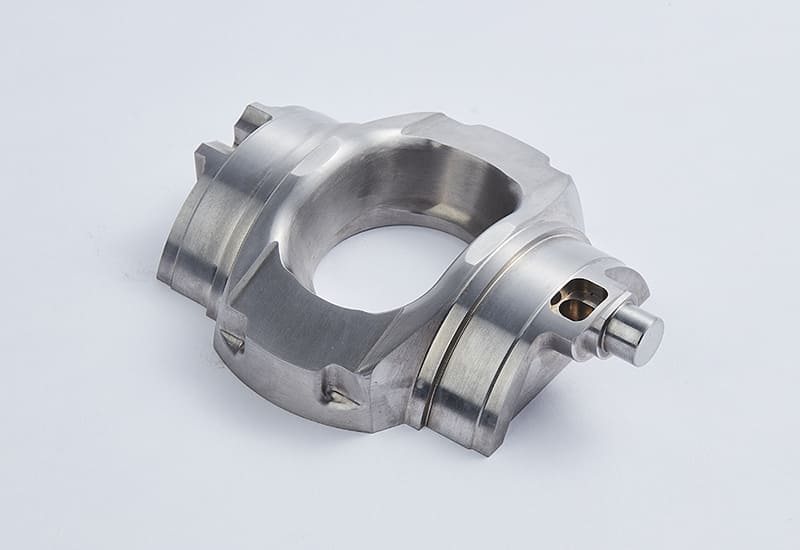
Why prototyping matters in a problem-driven strategy
Prototyping is not optional. It is the place where design assumptions meet metal. Rapidly proving fit, surface finish, and mating behavior reduces scrap, shortens validation loops, and prevents surprise redesigns that derail schedules. When you treat prototypes as controlled experiments instead of prettified samples, you learn which process controls need tightening and which features must change before full-scale production.
Experience and evidence: industry context and a real-world anchor
I’ve seen this pattern in major aerospace hubs where precision count more than speed: for example, Boeing’s manufacturing cluster around Seattle highlights how prototype-driven validation influences supplier selection and final assembly quality. That region’s production demands illustrate why suppliers capable of delivering accurate test pieces are preferred. For parts that must survive fatigue cycles and strict certification, practical validation through cnc machining aerospace parts is a standard step — it’s where dimensional data meets real functional testing, and where engineering confidence is earned.
Common pitfalls that prototyping exposes (and how to avoid them)
First pitfall: assuming CAD equals reality. Machining stresses, fixturing pressure, and thermal effects change geometry. Second: using the prototype only for looks — that gives false assurance. Third: skipping material verification; substitute alloys behave differently. To avoid these, specify process conditions for prototypes, include critical inspection points, and test parts in the same interfaces and loads they will see in service.
Practical workflow: from prototype to precision production
1) Define the testable questions — what must the prototype prove? 2) Choose representative materials and tolerances, not the cheapest alloy. 3) Machine a small run under production-like fixturing and toolpaths. 4) Inspect to agreed criteria and run functional assembly trials. 5) Feed measured deviations back into CAM or design with clear, numeric change requests. Repeat until the prototype consistently meets spec. This keeps rework low and lessons traceable.
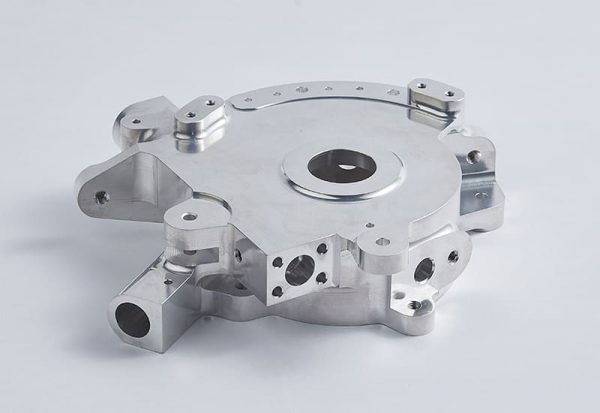
Final synthesis: what this approach delivers
Address the real problems early, run prototypes that mimic production, and you stop wasting cycles on avoidable redesigns. The outcome is predictable: parts that pass inspection, assemblies that fit first time, and a supplier chain that understands what “right” means for precision projects. For teams needing that practical, proven bridge between drawing and delivery, Hanstar fits naturally into the workflow as a partner that supplies both careful prototypes and production-ready parts without theatrical promises — just measurable, repeatable results.