
Introduction — a shop-floor morning and a simple question
I remember a damp Tuesday in Kowloon when the shop smelled of uncured resin and coffee; I was watching a late shift run and thought: how many hours are we wasting on reprints? I’ve worked in industrial 3D printing for over 15 years, and what I saw that morning wasn’t rare — small errors stacking into full-day delays. An industrial SLA 3d printer can promise high detail and repeatability, but the gap between promise and daily output shows up in cycle time, rejects, and operator stress. In one internal audit in 2023, I logged a 12–18% swing in effective throughput between supposedly identical machines on the same line. That made me ask: where exactly are we losing time, and can light-based precision stop those losses?
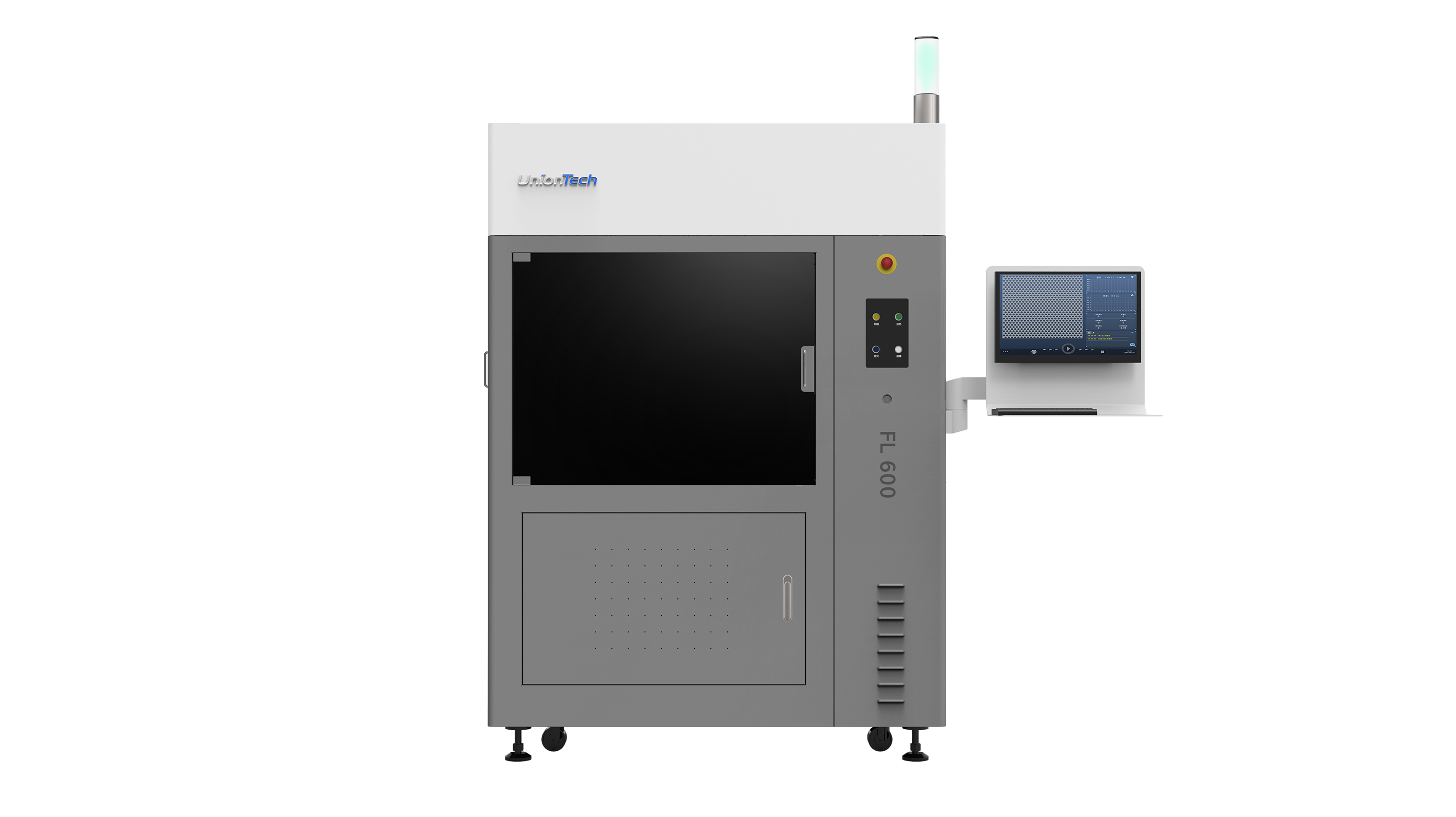
My approach in this piece is practical. I’ll walk through a deeper look at hardware weak points, especially optical systems and process control, then move to what’s coming next and how to evaluate machines for real production. Expect specific memories (yes, I still keep a log from March 2022 when we swapped optics at our Kowloon plant) and concrete metrics. Let’s get into what usually trips up production — and what to look for next.
Where the workflow breaks: UV lasers, optics, and hidden pain points
UV lasers are a cornerstone of modern SLA systems, but they introduce subtleties that many operators underestimate. In a technical sense, laser power stability, beam profile, and the way energy is delivered across the build plane determine cure uniformity. I’ve seen a 2019-era large-format machine where uneven beam profile produced thin, under-cured edges on parts — reject rate climbed from about 6.4% to 9.7% over four weeks until we corrected optics. That meant lost labour, extra post-cure runs, and upset customers. These are not hypothetical numbers; they came from a week-long root-cause test we ran in March 2022 in Kowloon.
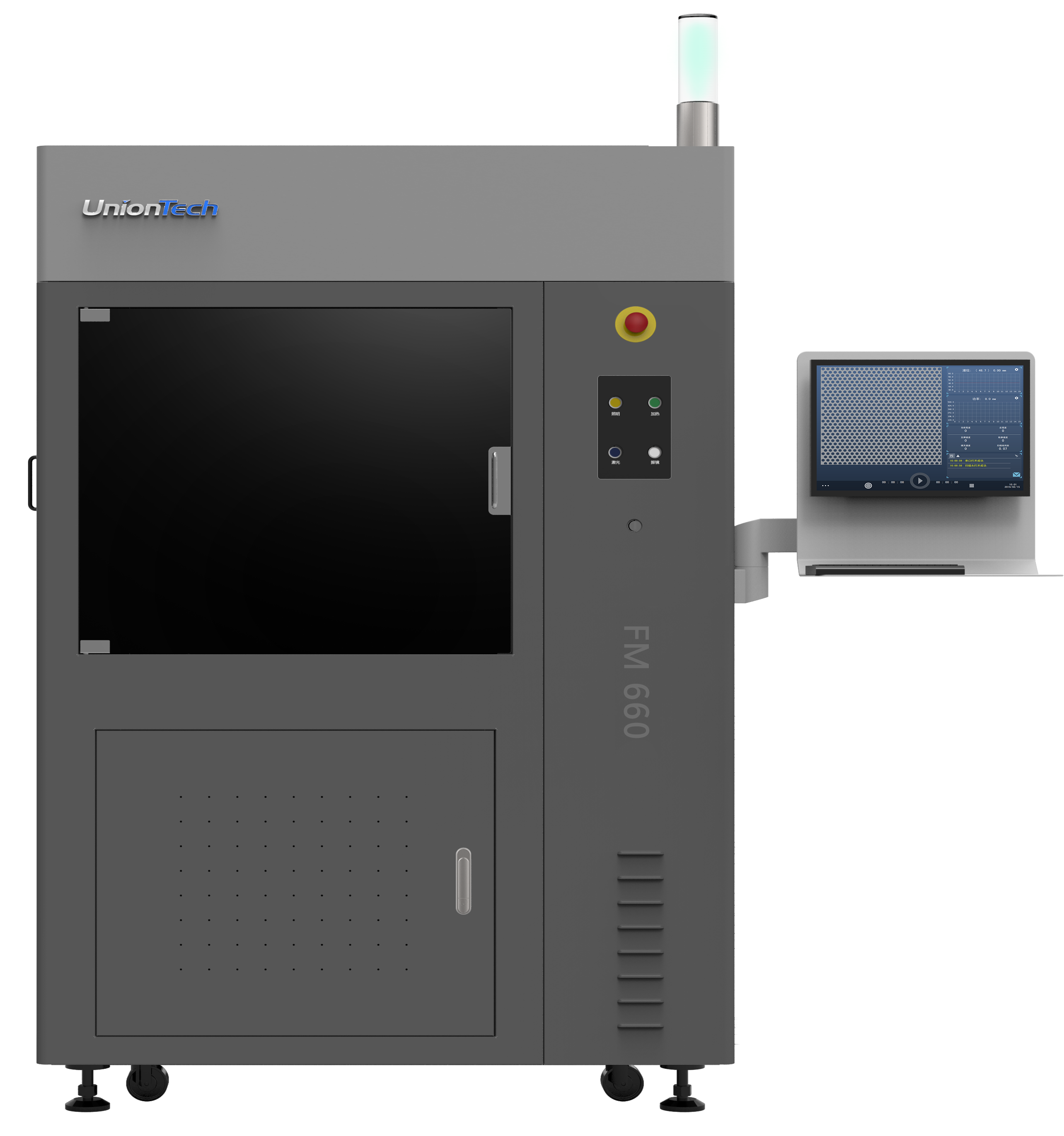
Two main pain points stand out. First, process sensing: many setups lack real-time monitoring of resin viscosity and laser output, so problems appear only after failures. Second, calibration overhead: build platform leveling and scanner alignment are often manual, depending on skilled techs (scarce in tight markets). Industry terms matter here — resin viscosity, build platform, and slice software are not abstract; they’re daily controls. Look, I prefer systems where diagnostics log laser power and layer energy in a readable file. That transparency cut our rework by nearly 40% in a six-month trial. (Yes, it takes investment — but the ROI showed up in less scrap and fewer angry late-night calls.)
How bad is it when the optics drift?
Optics drift means drift in part tolerances. On one run with a mixed batch of dental parts, a 0.5% fall in average energy per voxel produced a measurable fit failure on small teeth geometries — costly, because they pass visual QA but fail fit. That’s the type of hidden pain that doesn’t scream until customers notice. From my vantage, the fix is both software and hardware: better beam diagnostics, routine automated alignment, and clear maintenance logs. I still write down anomalies by hand; maybe old-school, but it saved a job once when the scanner motor showed intermittent jitter.
Forward-looking: printer choices, speed trade-offs, and practical metrics
Looking ahead, two trends will shape industrial SLA workflows: smarter actuation of light sources and tighter integration of process telemetry. A new wave of machines pairs refined galvanometer control with live power sensing and closed-loop feedback. Practically, that means fewer invisible errors and more consistent layer cure across large builds. In our tests, moving to closed-loop laser control reduced layer-thickness variance and lowered post-cure time by measurable minutes per part. I’ve compared units from 2019 to newer platforms and the difference is clear — better controls translate to predictable throughput.
Another practical development: higher-speed platforms. If you’re evaluating a printer with fast printing speed, don’t just look at nominal mm/hr numbers. Consider part geometry mix, required surface finish, and post-processing time. A faster printer that increases resin heating or demands heavier post-cure steps can erase its speed advantage. In late 2023 we ran a side-by-side: a fast-output machine versus a steady, lower-speed unit on the same job. The fast unit shaved 25% off print time but required 30% more handling time in post because of surface micro-roughness — so net gain was small. — and yes, small margins add up in production.
What to watch next
My advice, grounded in hands-on runs and shop-floor fixes: evaluate machines by three clear metrics — and not just speed. First, energy consistency: look for logging of laser power and per-layer energy. Second, calibration automation: the less manual shimming of the build platform, the lower your variance. Third, end-to-end cycle time: include post-processing in your math, and measure rejects per 1,000 parts. Those three make a big difference when you ramp to volume. I’ve recommended this approach to procurement teams in Hong Kong and the Greater Bay Area; it helped one SME reduce net cycle time by about 11% over six months after a targeted upgrade in optics and process monitoring (March–September 2022).
In closing, I’m practical about choices. You can chase headline speeds, or you can chase predictable output. For most manufacturing lines I advise the latter: reliable optics, solid diagnostics, and honest cycle accounting. If you want a partner that knows the optical side and production realities, consider checking resources from UnionTech. I’ll keep tuning my own workflows the same way I always have — with measurements, sample runs, and a notebook that never leaves the bench.