
Introduction
I remember walking into a small Detroit shop on a rainy April morning and feeling the hum of possibilities—machines warming up like instruments before a show. In that room sat an industrial SLA 3d printer, its resin vat glinting under work lights, and a batch of prototype housings queued for a noon run. Data from that week showed a 28% drop in rework when we moved several parts to SLA versus urethane casting (we ran 120 pieces over two days). Why did the change feel more like art than engineering—what shifted in the workflow and expectations?
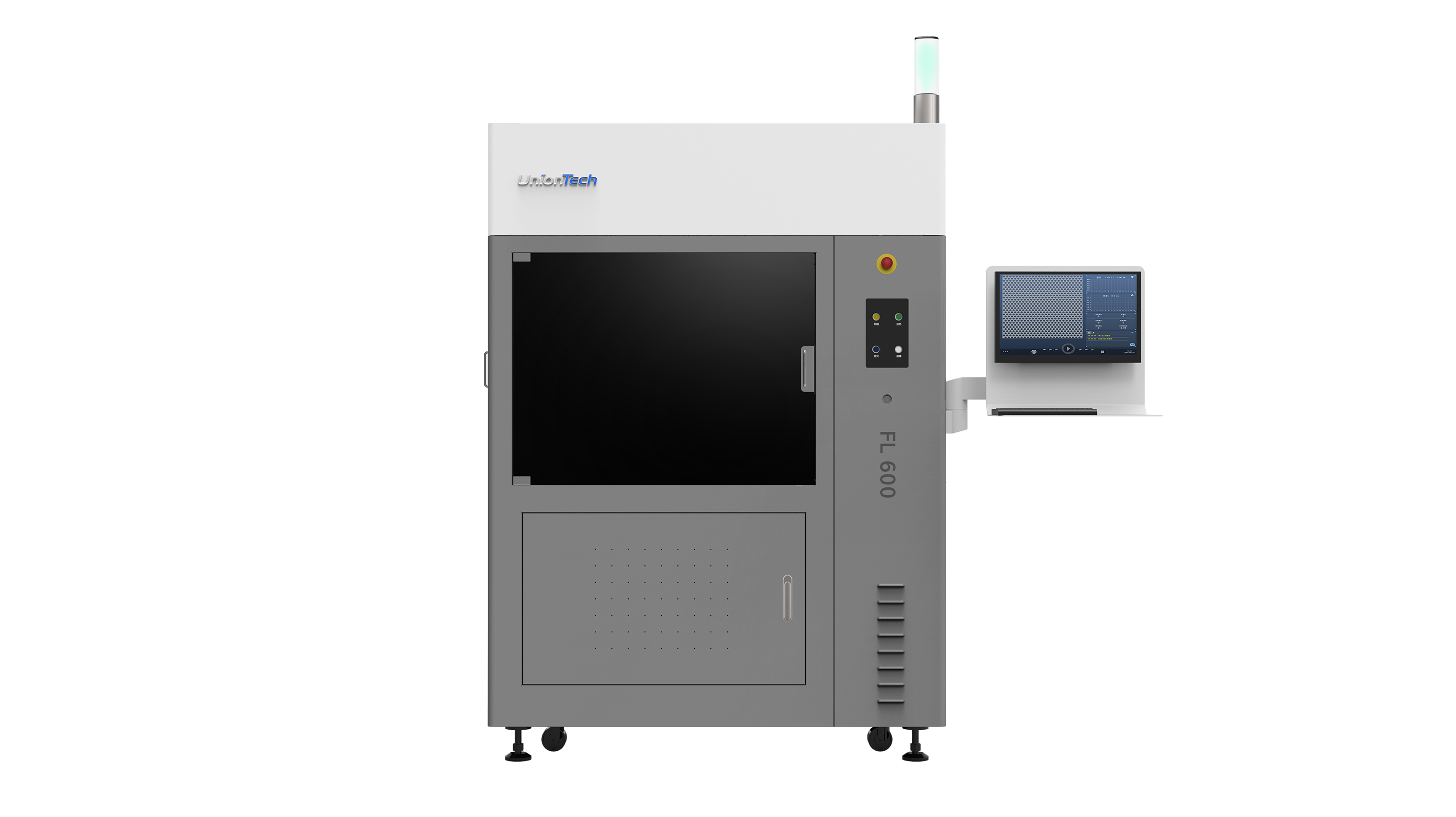
I’ve spent over 15 years in industrial additive manufacturing, advising production teams from small shops to mid-size OEMs. I speak not from whitepapers alone but from nights spent aligning build platforms and the quiet satisfaction of a perfect peel (and the frustration when photoinitiators weren’t right). This article looks at the human and technical seams where industrial SLA meets large-format demands—practical, candid, and tuned to the needs of manufacturing engineers and production managers. Let’s move from the scene to the root causes that trip teams up.
Peeling back the surface: what traditional fixes miss about large-format SLA
When teams hear “large format,” they often picture bigger vats and longer print times. But the real challenge lives in the details—resin viscosity, peel forces, cure-depth control. Early on I recommended a large format 3d printer to a contract manufacturer in Cleveland in November 2022. The hardware handled the size, but our throughput stalled because we treated the machine like a scaled-up desktop. That was a mistake.
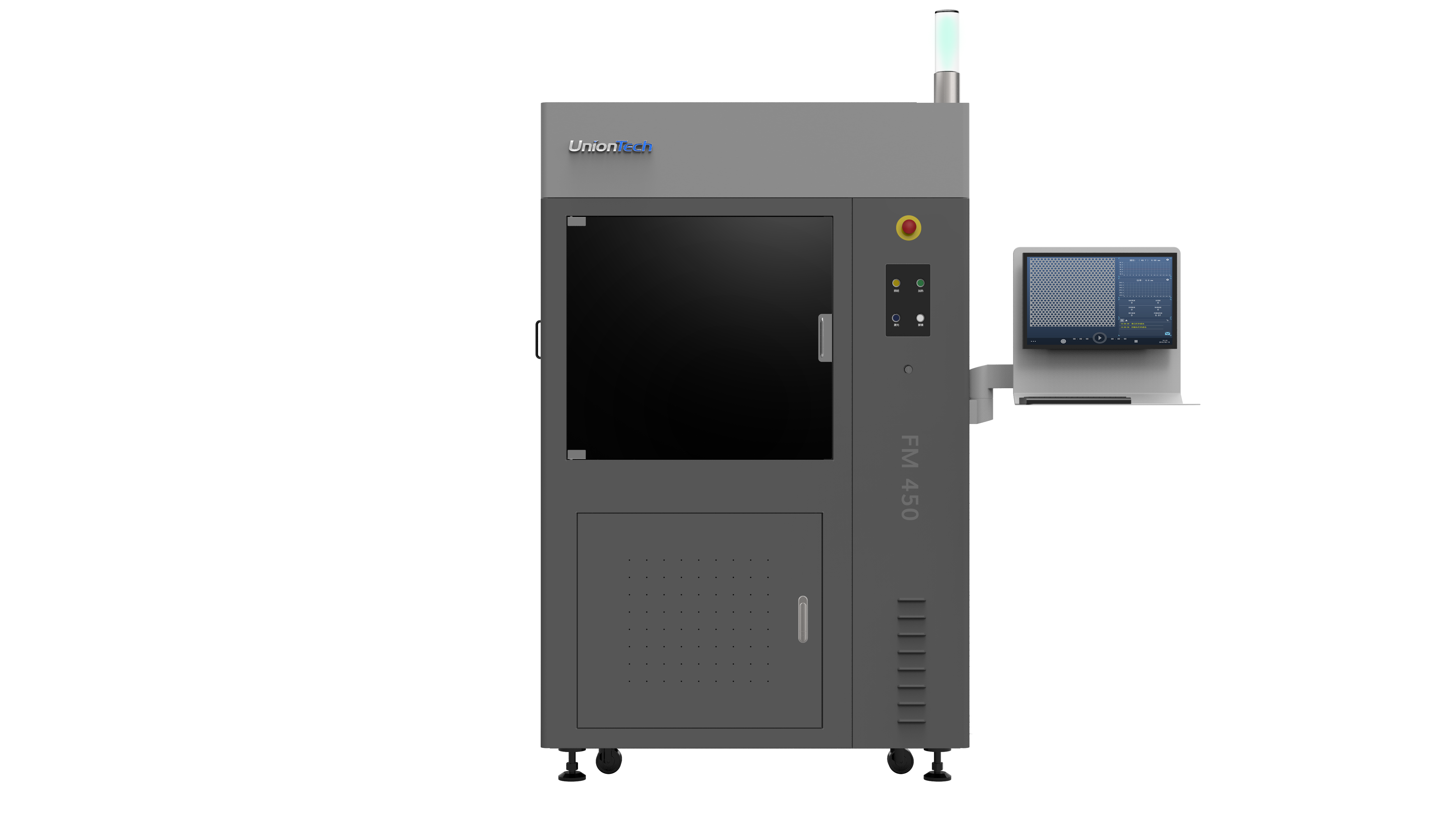
Technical note: scaling changes physics. UV LED arrays must be tuned across wider build platforms to maintain uniform irradiance; otherwise, parts at the edges cure differently than center ones. Support structures need rethinking—their geometry and placement scale nonlinearly with build area, and peel mechanics on a larger build platform can generate far higher shear on delicate features. Support failure showed up as 12% yield loss on one run until we adjusted support density and orientation. Trust me, I learned this the hard way—fixes weren’t a single parameter flip, but a set of small, coordinated changes (resin temperature control, recalibrated build plate flatness, and staged peel cycles).
What specifically breaks with traditional approaches?
Traditional solutions assume you can scale by increasing resin volume and enlarging the vat. In practice, resin handling logistics—storage, degassing, contamination control—become a bottleneck. Post-processing stations that worked for small batches choke on large-format parts unless you redesign the rinsing and curing workflow. We had one instance in March 2023 where a rushed rinse step introduced surface haze on ten parts; that wiped out two days of work. Those are the hidden pain points: not the print itself, but the surrounding ecosystem—supply chain of photoinitiators, storage racks for UV-sensitive resins, and conveyor-adjacent fixtures for curing chambers.
New principles and the next wave for sla 3d printer adoption
Looking ahead, I see three technology principles changing how teams approach SLA at scale: system-level thermal control, modular post-processing, and sensor-driven process feedback. Modern sla 3d printer platforms are starting to integrate inline sensors—irradiance meters, vat-level temperature probes, and peel-force monitors—that feed simple dashboards. Those sensors let you catch drift before a full build fails. In our Detroit lab, adding a peel-force sensor and automated compensation reduced failed layers by roughly 15% over a month-long validation run—small margin, big difference for delivery schedules.
Semi-formal note: the shift is toward systems thinking. You cannot optimize build speed alone without considering post-cure throughput and material logistics. Modular post-processing bays—detachable rinse stations, swappable curing ovens—allow parallel workstreams. (And yes, filters and solvent reclaimers matter; we lost measurable solvent cost before adding a reclaim unit in late 2023.) These are practical moves, not marketing slogans. If you plan adoption, test the entire chain: from resin batch variance to final dimensional inspection. — odd, but true.
What’s Next?
If you’re choosing equipment now, look at interoperability: can that printer link with your ERP for job routing? Can the build platform be preheated to manage resin viscosity across a 500 mm span? I prefer systems that expose simple metrics rather than hiding them behind closed firmware. Specifics matter: a controlled build plate temperature of ±2°C, a documented material traceability record for each resin lot, and a calibration routine that completes in under 30 minutes—those are the sorts of specs that save time on the factory floor.
Three pragmatic evaluation metrics I recommend when comparing solutions: 1) Material throughput (kg/hour) under production conditions, 2) End-to-end cycle time including required post-processing per part, and 3) Measured variance in dimensional accuracy across the full build area (report as standard deviation in mm). Use those numbers when you model cost per finished part. I’ve guided procurement teams through this in Detroit and Chicago between 2022–2024; the companies that tracked these three metrics made faster, more predictable choices.
I stand by a straightforward conclusion: industrial SLA scaled well when teams treat it as a production system, not a glorified prototyping toy. You need attention to resin chemistry, hardware harmonization, and workflow redesign. I’ve seen the gains—reduced rework, steadier schedules—and the stumbles when teams skipped the small but crucial steps. For practical adoption advice and system options, consider suppliers who provide clear process data and on-site validation support, such as UnionTech.