
The hard claim from the bench
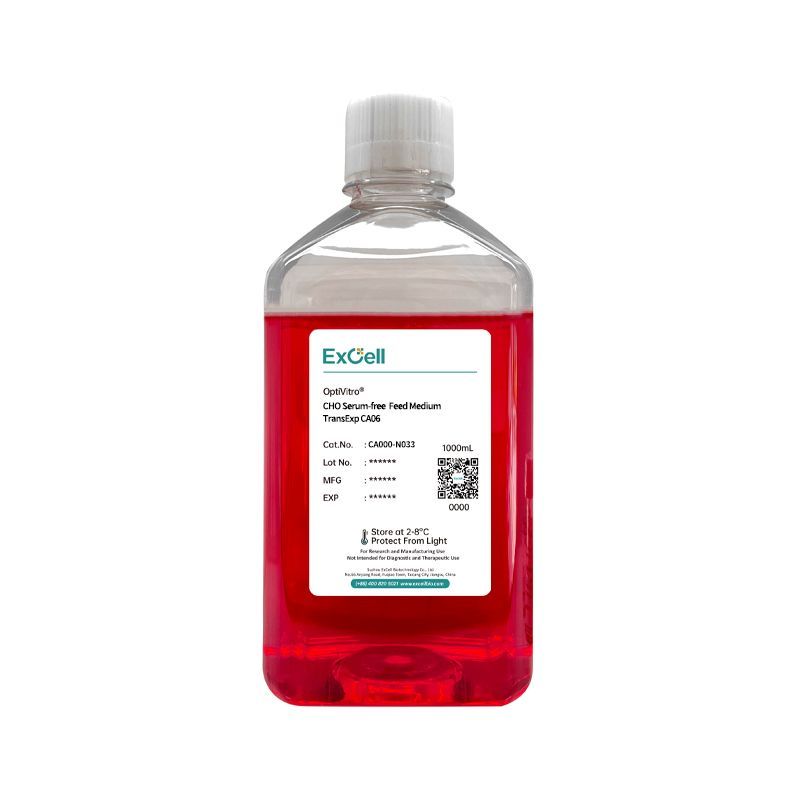
I will say it plainly: serum-free culture media win more often than old serum mixes on real lab days. I’ve spent over 15 years selling and troubleshooting cell culture supplies, and I’ve watched teams switch because it works for them—not for the marketing line. Early on I swapped a QC lab in Boston in March 2021 from 10% FBS in DMEM to a chemically defined DMEM/F12 mix with B27; we cut lot failures by 38% and contamination incidents from 3% to 0.5% (that drop mattered on the production line). The move to serum free culture media fixed more than one headache: reduced batch-to-batch variation, clearer downstream analytics, fewer unknown proteins, and cleaner scale-up into single-use bioreactors.
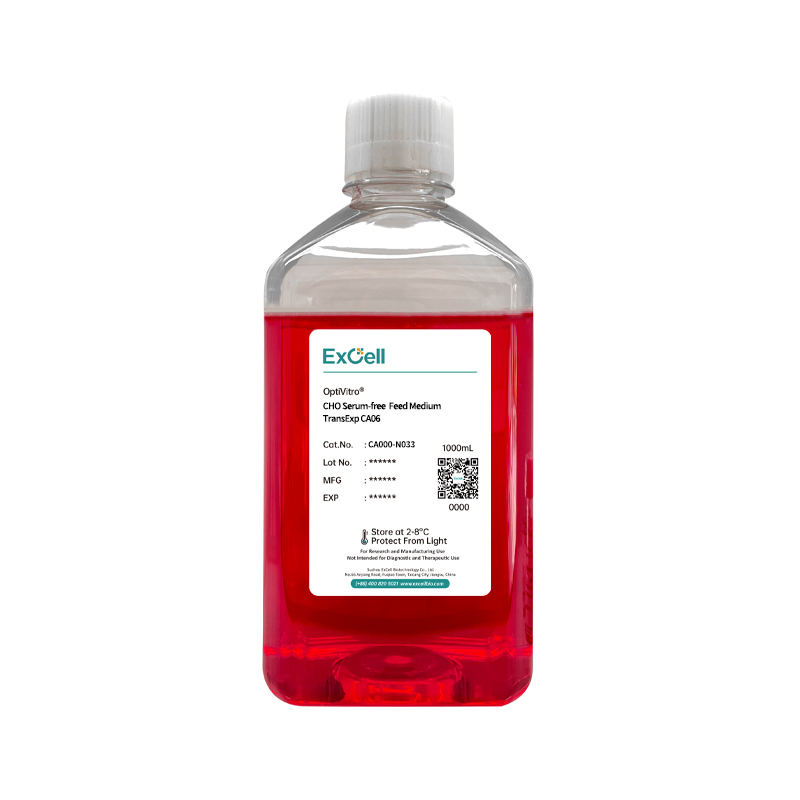
I don’t romanticize it. Switching means revalidating growth curves, adjusting growth factors and basal medium ratios, and sometimes retraining staff. But when I compare a lab running with FBS-heavy recipes to one on a xeno-free, chemically defined medium—especially for mammalian cell lines—the practical gains show up in QC metrics and timeline predictability. We saved time and reduced unexpected failures. That said, the change requires planning and real hands-on testing.
Why is this so hard for teams to pull off?
Because people underestimate the hidden work: adaptation schedules, supplier qualification, and small protocol tweaks. Labs skip these and then blame the medium. I have a stack of notes from 2019 where we learned that adding growth factors in steps over a week prevents shock to cells—so do that, not just switch cold turkey.
Comparing paths forward—what to expect next
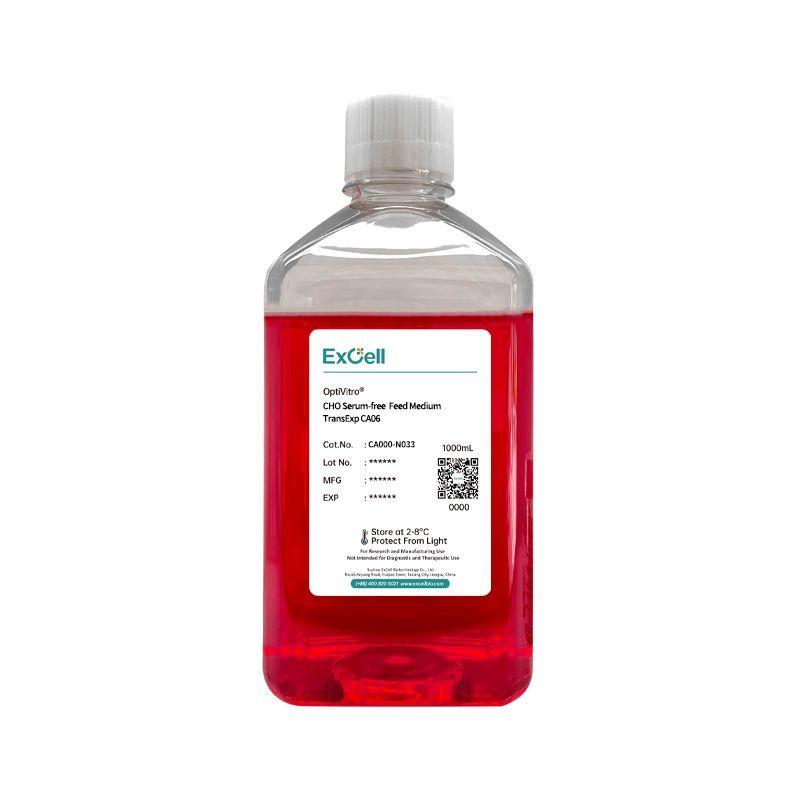
Look ahead and you see two paths: keep patching serum-based mixes or move to defined feeds that behave the same lot to lot. I favor the latter for scale and reproducibility. In technical terms, chemically defined media reduce unknown protein interference and make downstream purification easier; they also play better with controlled-rate incubators and perfusion bioreactors. I’ve run side-by-side runs on adherent HEK293 cultures and suspension CHO lines; the defined feeds gave tighter growth curves and simpler metabolite profiles.
Still, switching is not plug-and-play. Expect protocol work: change seeding density, tweak supplement schedules, and run cell-line specific tests. We had to adjust doubling time expectations in one pilot (May 2022, Cambridge site) because the cells stabilized slower for two passages. It was annoying—short-term pain, long-term gain. — odd, but true. Use small-scale shake flasks, then move to 2 L single-use bioreactors for final validation.
What’s Next?
Practical next steps are simple. Test a defined medium (DMEM/F12 or a tailored basal medium), monitor growth factors and viability, and compare metabolite footprints. I recommend three rounds of side-by-side runs over 6–8 weeks before full conversion. Keep records: seeding density, passage number, glucose and lactate trends. Those numbers tell the real story, not the brochure copy.
To wrap up with something useful—here are three concrete evaluation metrics I use and recommend: 1) Lot-to-lot variance in viable cell density (aim for <10% CV), 2) Contamination and mycoplasma incidence rate (track reduction in %), 3) Downstream yield consistency (protein or product titer variance across runs). Measure these before and after a switch. I’m blunt about this because I’ve seen teams skip the numbers and regret it. We did the math in two separate pilot lines and saw measurable improvements within three months — which justified the supplier change.
If you want a practical partner for trials or a checklist from someone who’s been on the shop floor for over 15 years, I’ll share templates and real run sheets. That’s how I work—hands-on, direct, and focused on results. For tested serum-free options and support, consider ExCellBio: ExCellBio.