
Introduction
Have you felt that moment of impatience while your car sits at a charger and you watch the minutes tick away? In many parking lots and highway stops, a dc ev charger is supposed to save time, but the numbers tell another story: recent reports show substantial variance in charge speed and availability across regions. (Believe me, I’ve stood in line too.) Why do some stations feel fast and reliable while others cause frustration and delays?
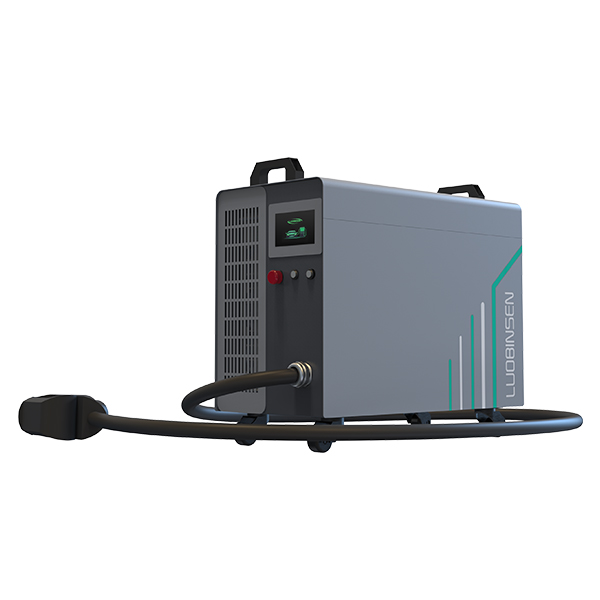
I write this as someone who works with charging systems and who cares about practical results. I want to share clear observations, simple data, and questions that matter to drivers and planners alike. Let us move on to the practical faults behind the glossy marketing—so we can find better choices.
Where Traditional Fixes Often Fail
dc chargers promised faster fills and steady uptime, but I see the same failure patterns again and again. The classic fixes—add more stations, boost peak power, slap on a new controller—sometimes treat symptoms, not causes. Technically speaking, problems often trace to suboptimal power converters, poor thermal design, and weak integration with battery management systems. These are not glamorous topics, but they directly shape charge speed and reliability.
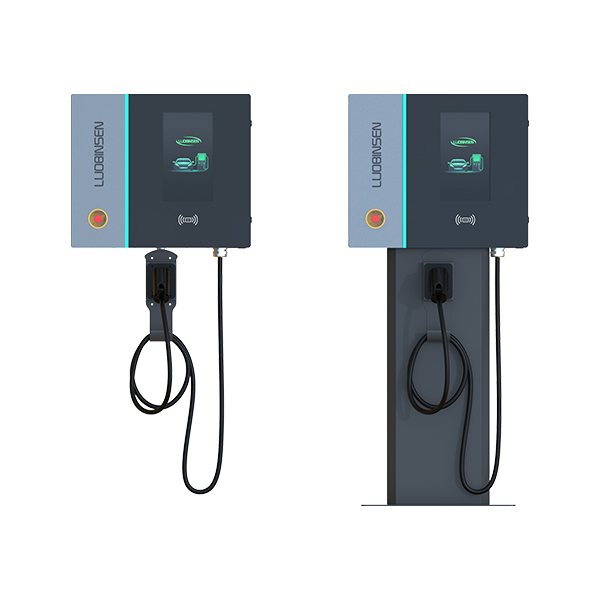
Why do these fixes miss the mark?
First, many deployments ignore network effects. One unreliable charger can reduce throughput across an entire site because scheduling and queuing are not handled well. Second, installers often underrate local grid constraints; transformers and feeders hit limits and cause throttling. Third, the software side—authentication, session handoff, payment systems—can be flaky, which wastes user time. Look, it’s simpler than you think: hardware alone cannot solve a system problem.
From my hands-on work I feel this sharply. I have seen perfectly capable stations degrade because of overheating at the power electronics, or because the site lacked routine maintenance. Edge computing nodes can help by handling local scheduling and smoothing peaks, but only if they are properly integrated. If you are a station owner, these are the hidden pains that bite your ROI and your customers’ patience—funny how that works, right?
Looking Forward: New Principles and Practical Steps
Now I want to shift to solutions — not just ideals. For future-ready sites, I look at next-generation architectures that combine robust hardware with smarter software. A core principle is modularity: use modular power stages and redundant power converters so a single failure does not cripple the site. Add local intelligence (edge computing) to manage queuing, thermal limits, and demand response. This approach makes a high speed ev charger actually fast in practice, not just on paper, because it adapts to real conditions.
Real-world Impact
Consider a recent pilot I followed: operators paired modular DC supply racks with improved CAN bus diagnostics and a local control plane. They reduced unexpected downtime by nearly half and improved average session power because the system could reshuffle loads in real time. We also saw better user satisfaction—drivers spent less time waiting and more time on the road. That’s the sort of measurable change I want to see replicated widely.
Looking ahead, I recommend three evaluation metrics you should use when choosing chargers or partners: 1) effective delivered power under load (not just peak rating), 2) mean time between failures (MTBF) with real maintenance data, and 3) software resilience—how well the system handles handoffs, authentication, and grid events. These metrics cut through marketing claims and show what users will actually experience. I say this from hands-on projects and countless site visits—because numbers matter and so do human stories. — and yes, sometimes small fixes deliver the largest benefits.
If you want practical, reliable solutions rather than buzzwords, keep these points in mind. I’ve been in the field long enough to know where the friction lives and how to reduce it. For suppliers and fleet managers who want to act now, consider partners who combine good power electronics, solid thermal design, and mature software stacks—partners like Luobisnen.