
Introduction: The Closet Crunch Parents Know Too Well
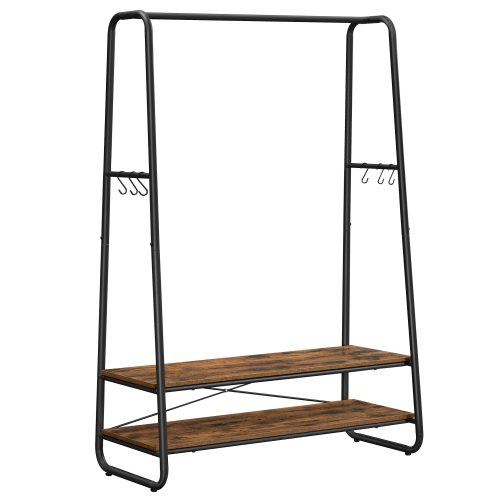
Morning chaos is often a storage problem in disguise. A seasoned clothes rack manufacturer sees it every day: a hallway jam, backpacks on chairs, coats piled on a bed. In family surveys, more than four in ten parents say they lose time each week to missing or wrinkled clothes—time that could be breakfast or a calmer school drop-off. The scenario is simple: tight spaces, fast growth, and gear for every season. But the math adds up fast. One child’s jacket, gym kit, and uniform can fill a rail in a month, and the cycle repeats. So why do our current racks still wobble, drift, or crowd out the walkway? Is the fix a bigger closet, or a smarter frame with the right load rating and better powder coating? (Hint: it’s not just about size.) Let’s move from the daily rush to the design choices that actually help—and the ones that don’t.
Part 2: The Hidden Pain Points Behind Bulk Rack Choices
What are we missing at home?
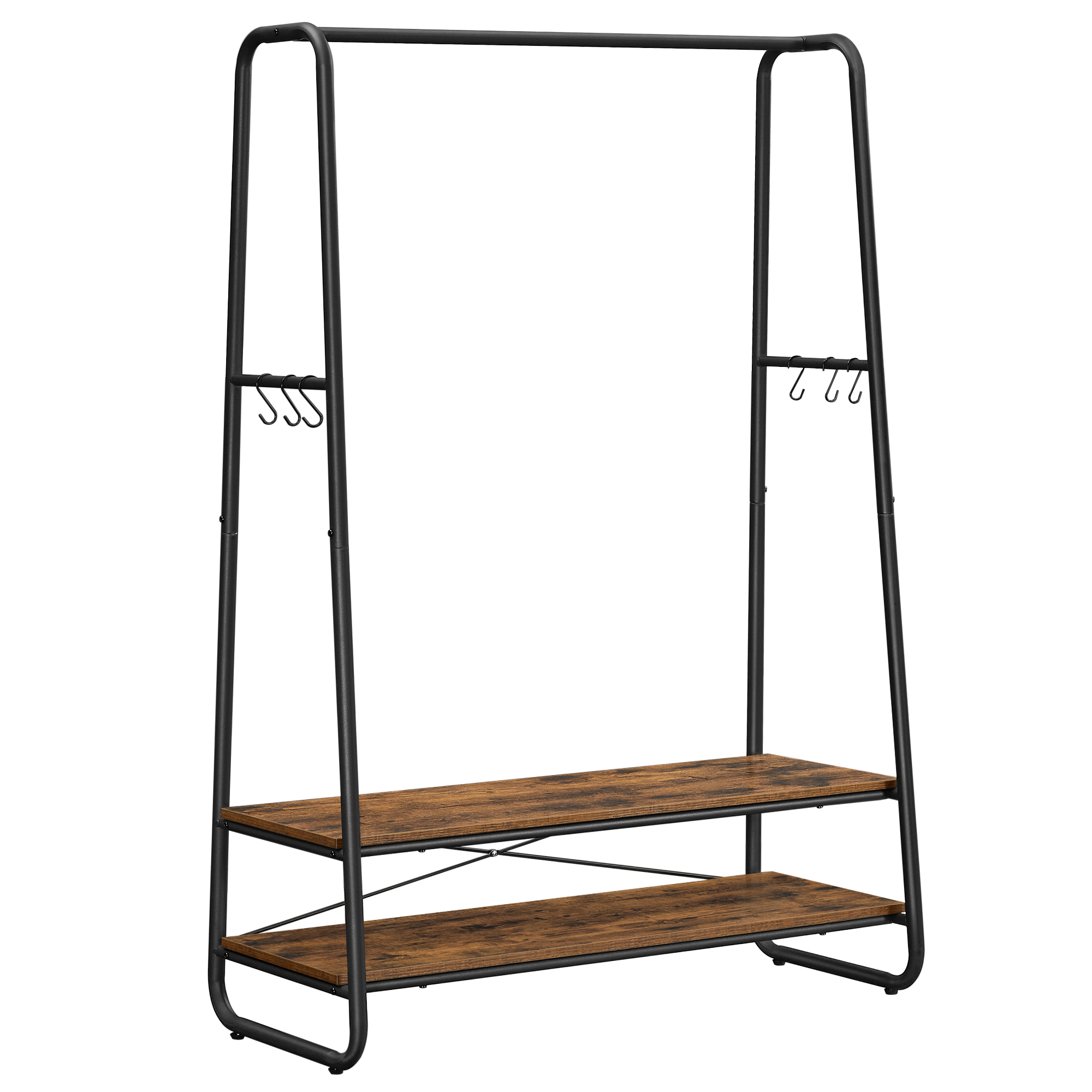
Many buyers reach for clothing racks wholesale thinking volume will solve the mess. Look, it’s simpler than you think: bulk alone doesn’t fix weak joints, poor wheel bearings, or rails that bow under winter coats. Traditional fixes—add a second rail, buy thicker tubes—can fail if the torque spec on fasteners is vague or if tolerance stack-up at each joint multiplies sway. Parents notice the symptom (leaning frames), not the root cause: uneven floors, mixed SKU sizes, and frames not tuned to real loads. Add in cold-rolled steel that’s thin to cut cost, and a glossy finish that hides shallow weld fixtures, and the wobble returns in weeks.
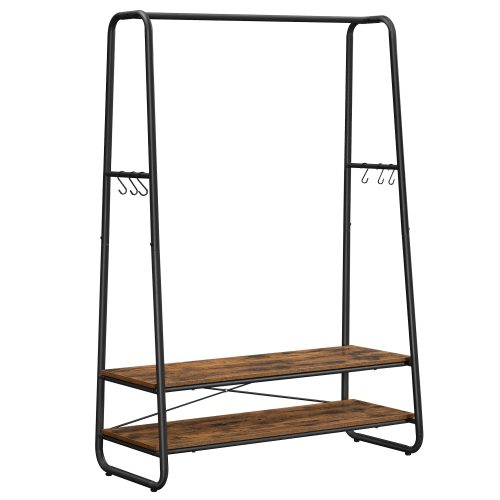
The deeper pain point is workflow, not only capacity. Racks live in traffic zones. If the base is too wide, you trip; if the casters lock poorly, you drag. If the powder coating line didn’t cure well, small scratches spread into flakes that catch sleeves. Edge cases—wet coats, shared rails, rolling over a rug—stress cheap connectors. The answer isn’t “more racks,” it’s smarter frames with bracing, better casters, and verified load testing. Parents need gear that parks fast, stands straight, and moves cleanly—funny how the small details save the most time.
Part 3: Forward-Looking Design—What New Principles Actually Change Your Day
What’s Next
Let’s step past quick fixes and talk new design rules. Modern frames now use CNC bending for tighter angles, so rails resist twist. Crossbars get triangular bracing to kill sway without bulk. Quick-lock couplers click in with a short turn—no guesswork on torque. Finite element analysis helps set real load zones, not just a single “max kg” headline. And casters? Wider tread, sealed bearings, and a real brake. A reliable china garment racks supplier will also rate rails per segment, not only per unit, so you know where heavy coats belong. This is practical tech, not hype—and it shows when the hallway stays clear.
Here’s the comparative edge. Old: thick tubes, slow assembly, glossy paint that chips. New: lighter-gauge steel with ribbing, snap-fit sleeves that set depth, and powder coat with better corrosion resistance cycles. Old: guess-and-check height. New: engraved marks that align hangers by size—kid to teen—so mornings run smoother. The lesson isn’t “buy premium.” It’s “ask smarter.” Check three things before you choose: 1) verified load rating by an independent lab (not only factory claims); 2) coating durability, like salt-spray hours, that match your use; 3) assembly time and reassembly cycles—can it move rooms without loosening? Build around workflow, then add capacity—funny how that works, right? For steady guidance rooted in real builds and family use, see SONGMICS HOME B2B.