
Why Fast Choices Often Backfire (and How to See the Difference)
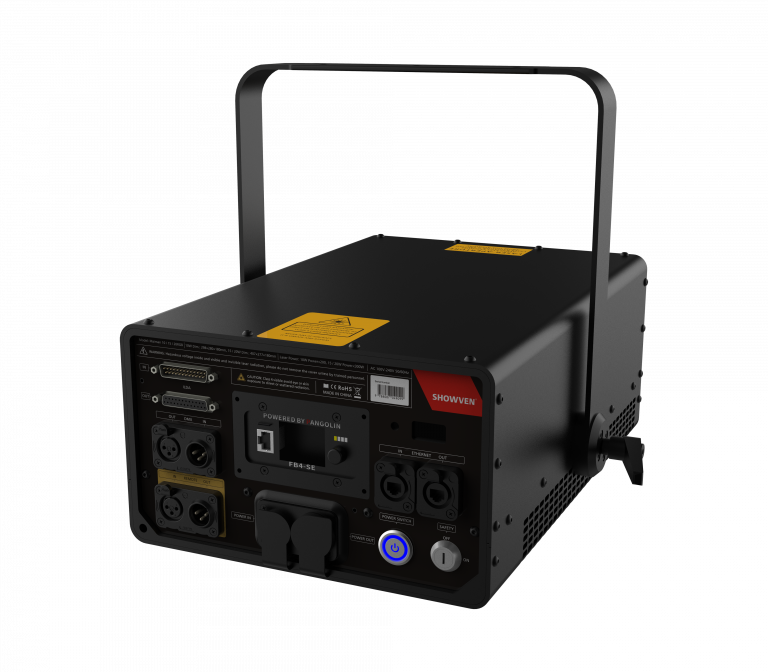
I was helping a friend set up a pop-up music night—tight load-in, tighter budget. The indoor laser lights supplier promised “plug-and-play” brilliance and zero fuss. By soundcheck, we were swapping cables, chasing flicker, and begging the DJ booth for a clean power feed. Data backs this up: nearly 1 in 3 small venue rigs run into setup delays tied to control mismatches or weak power converters. And get this—many teams don’t test at venue voltage, which is wild for a touring setup (I know, SoCal shortcuts happen). So, are we picking speed over stability without knowing it?
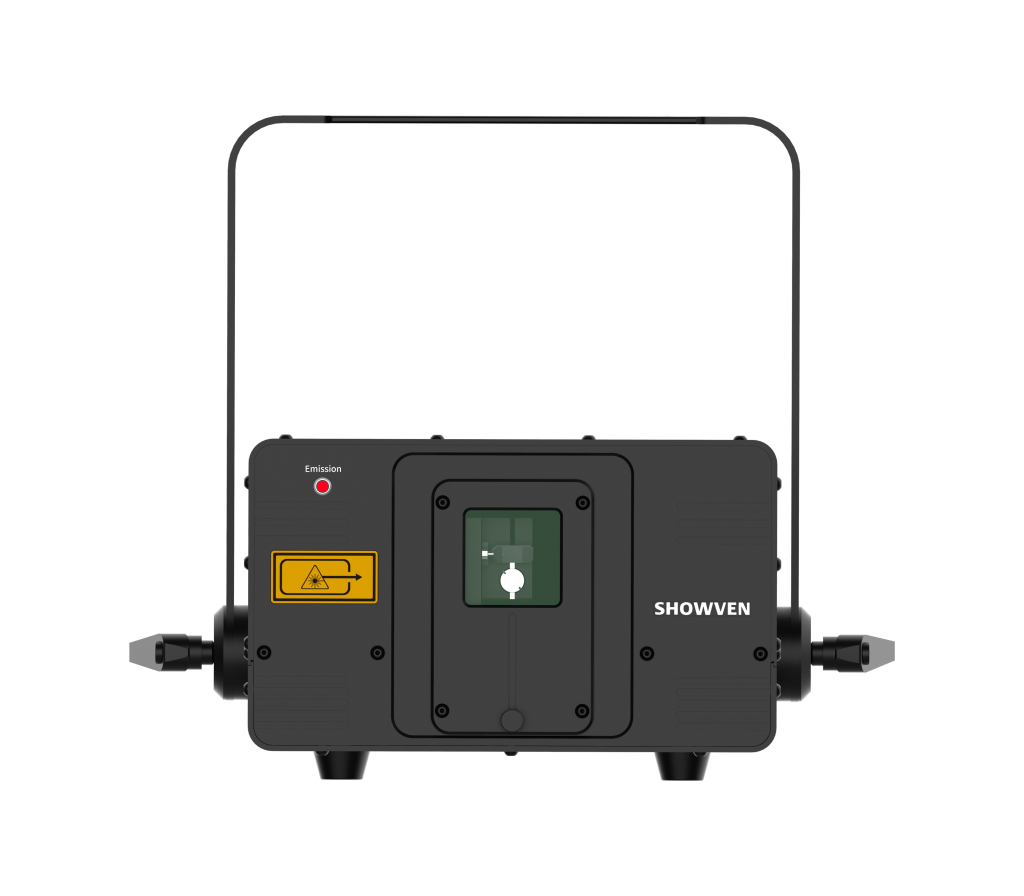
Here’s the question that matters: what separates a supplier who ships boxes from one who ships results? Think lifespan, support windows, and field fixes. Not just beam wow. If you’ve ever felt burned by a last-minute “upgrade,” you’re not alone—funny how that works, right? Let’s break down the real deltas, so your next call lands you performance, not promises. Onward to the details that actually move the needle.
The Hidden Gaps Traditional Buyers Miss
Where do problems start?
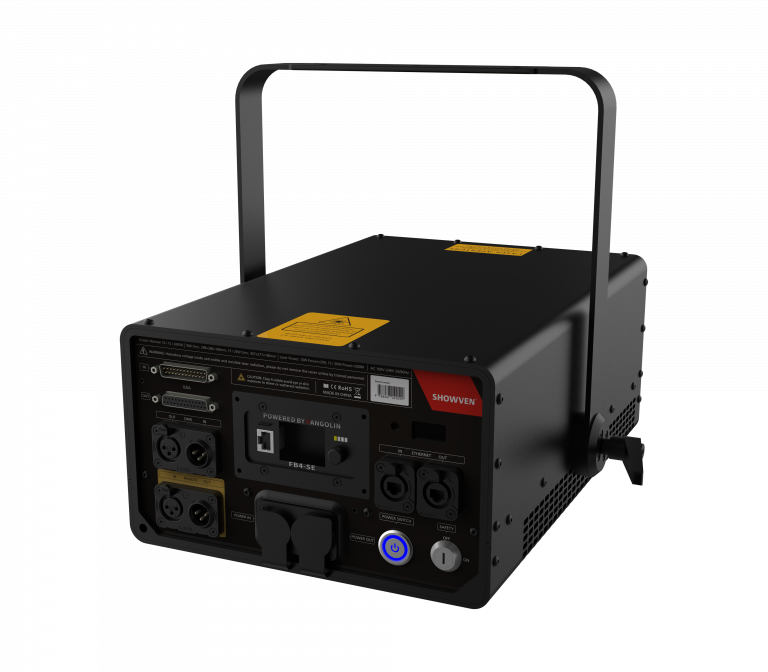
Most specs look great until they hit the room. With indoor laser lights, the usual failure points aren’t brightness; they’re control, thermal, and scanning stability. A supplier might push “higher wattage,” but beam divergence and galvanometer calibration define crisp mid-air effects. If scanners drift, your patterns smear. If thermal design is thin, PWM dimming stutters after warm-up. And if power converters are noisy, you’ll see artifacts on low-level gradients. Look, it’s simpler than you think: good optics plus steady control equals clean looks.
Traditional purchasing leans on static demos and a pretty PDF. That hides live variables. Ask about DMX512 mapping clarity, emergency stop behavior, and heat sinking under continuous scenes at 100% duty. Also check firmware logs for scan-fail triggers. Many “value” units pass an idle test but falter when optical scanning meets dense haze. It’s not just about peak output; it’s about repeatable output in hot rooms with real crowds. If a supplier can’t show test data across voltage sags or noisy mains, you’re buying hope, not a show.
Comparative Tech: What Actually Future-Proofs Your Rig
What’s Next
Let’s look forward with practical principles. A solid supplier now builds around closed-loop scanners, better thermal paths, and smarter control stacks. That means stabilized galvos with fault recovery, fan curves tuned to room temp, and clean signal flow from console to fixture. The best setups treat control like a system, not a cable—using clear DMX channel maps, or networked control with redundancy. Pair that with robust drivers and you’ll see fewer scan overshoots, fewer color shifts, and smoother fades. When you step up to indoor laser projector lights, the difference is clear: less heat soak, less drift, better repeatability. Small change, big outcome.
Case-wise, consider a boutique theater rotating dance and comedy. Old units ran hot and needed frequent re-alignment. The upgrade? Closed-loop scanning, tighter beam divergence, and a cleaner power stage. Result: shorter warmups, fewer recalibrations, and consistent looks from Tuesday rehearsal to Saturday prime time—funny how that works, right? Even better, techs noted quieter fans and steadier color at low output. This is the edge you feel every night, not just on spec sheets.
How to Choose Smart, Fast: Your 3-Metric Checklist
Here’s the advisory wrap, built for quick decisions that hold up. First, control integrity: verify DMX map clarity, latency under network load, and fail-safe behavior when signal drops. If the supplier can’t demo live switching or provide logs, keep moving. Second, thermal and scanning stability: ask for continuous-run data at high duty cycles, plus notes on galvanometer calibration intervals and heat sinking. You want proof over promises. Third, power and protection: look for clean power converters, proper grounding guidance, and clear E-stop integration. Bonus points for service windows and spare parts SLAs. Measurable results follow from these three: fewer show-stoppers, lower maintenance, and cleaner looks across the week. That’s how you compare an indoor laser lights supplier without overthinking it—and how you build rigs that behave in the real world. For deeper technical references and product detail, see Showven Laser.