
Introduction — a simple scene, some numbers, one big question
I was on the shop floor last week, watching a junior tech squint at a soldering station while fumes curled up under the light. The challenge of fume extraction for electronics and industrial applications is not abstract here — it shows up as red eyes, slower shifts, and parts that fail QC faster than they should. Around 60% of small assembly shops report visible particulate or odor issues at least weekly (that’s real data from operational surveys). How do we stop breathing the problem and start solving it in a way that actually works for both the line and the people who run it?
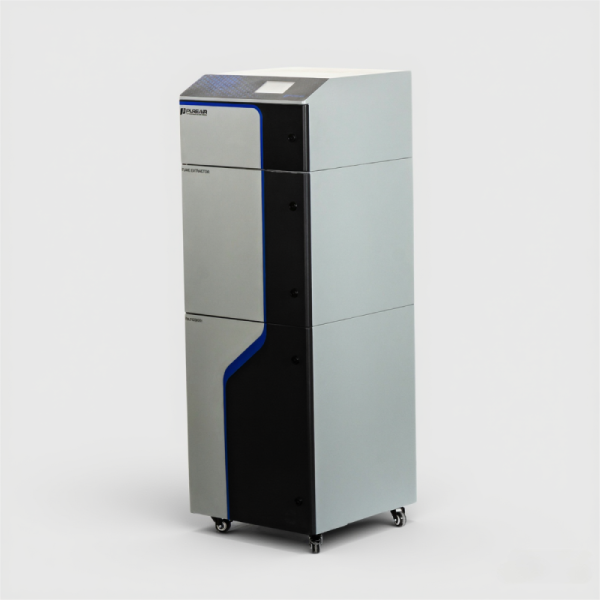
I say this because I care about practical fixes, not just vendor slides. I want systems that are affordable, serviceable, and—yes—quiet enough to keep people talking on the line. (No one wants a giant roar from an exhaust manifold beside their station.) Next, I’ll unpack where common solutions fail and what customers quietly endure, so we can aim at real improvements.
Deeper problems: why the electronic production line still struggles
Why do standard systems fail?
When I look at an electronic production line, I see repeated mistakes: undersized capture hoods, filters not matched to the contaminant profile, and maintenance plans that never made it past the contract. Technically, many setups assume a steady, uniform emission — but solder reflow and manual soldering create bursts of volatile organic compounds and fine particulates. That mismatch means HEPA filters clog quickly or activated carbon beds saturate, and performance drops long before anyone notes it.
There are user pains nobody writes about in spec sheets. Operators dodge maintenance because downtime costs too much. Facilities managers get tired of replacing pre-filters every month. Engineers complain about pressure drops that upset fume hood balance. Look, it’s simpler than you think: the right extraction system must match peak emissions, not average emissions. Add a touch of realistic service planning and you cut surprises. From my experience, a clearer diagnosis at purchase (including airflow tests and contaminant mapping) saves time and money later—and keeps the line moving.
What’s next — case example and a practical outlook for decision makers
What real change looks like
Let me give you a short case example. A mid-size board assembler replaced aging local exhaust with a modular system that combined point-of-source capture, an inline scrubber for solvents, and distributed ducting to a central filtration bank. They also added sensors near critical stations (think simple VOC meters and particulate counters). The result: immediate drop in worker complaints, fewer filter swaps, and measurable improvements in yield near the reflow ovens. I’ve seen similar wins where edge computing nodes log airflow and trigger alerts before a filter reaches critical load — small tech, big impact.

Looking forward, here are three metrics I recommend you use when comparing systems: 1) capture efficiency at the point source under peak load; 2) total cost of ownership over three years including filters and service; 3) measurable impact on workspace air quality (VOC and PM readings). Those metrics push vendors to show data, not promises. If you want to get hands-on, test a demo on your actual electronic production line rather than trusting lab numbers. Also — funny how that works, right? — small operational changes (shift timing, local maintenance checks) often multiply the gains of a better system.
In the end, I judge solutions by three simple outcomes: fewer health complaints, lower unplanned downtime, and clarity in service requirements. Use those outcomes as your north star. For guidance and options that match these priorities, consider what companies like PURE-AIR offer — I’ve seen their systems perform well in mixed electronics and industrial environments.