
Introduction
Do we ever pause to count the true cost of machines that refuse to evolve?

For decades, CNC lathe manufacturers have measured success by throughput and uptime; yet recent industry surveys show a steady 12–18% decline in margin when plants fail to modernize their toolchains (a figure that still surprises many). I have seen workshops with worn spindles and legacy control panels trying to meet modern tolerances — and that tension raises a simple question: what must change so production keeps pace with demand? This brief will sketch a scenario, cite data, and then press that question forward — leading us into the heart of the problem.
Why Traditional Solutions Fall Short
What’s the snag?
multi tasking cnc machine tools promise consolidation: one cell handling milling, drilling and turning. Yet in practice many shops treat them like a box to be filled rather than a system to optimize. I’ve watched operators juggle tool libraries, struggle with turret indexing delays, and wrestle with spindle speed mismatches — all while still running separate fixtures. The result is not the efficiency managers expected. Look, it’s simpler than you think: multiple processes in one frame demand integrated motion control, coordinated servo drives, and unified tooling strategies. Without those, cycle times climb and scrap rates creep up.
Technically speaking, the old approach patched problems with manual overrides and custom software glue. That creates brittle systems. When a power converter hiccups or a feedback loop drifts, production stops because the pieces were never designed to act as a single organism. I believe this is where hidden user pain shows itself: mismatched data formats, lagging edge computing nodes, and insufficient remote diagnostics. The shop floor looks busy, but true productivity — measurable, repeatable output — stays stubbornly out of reach.
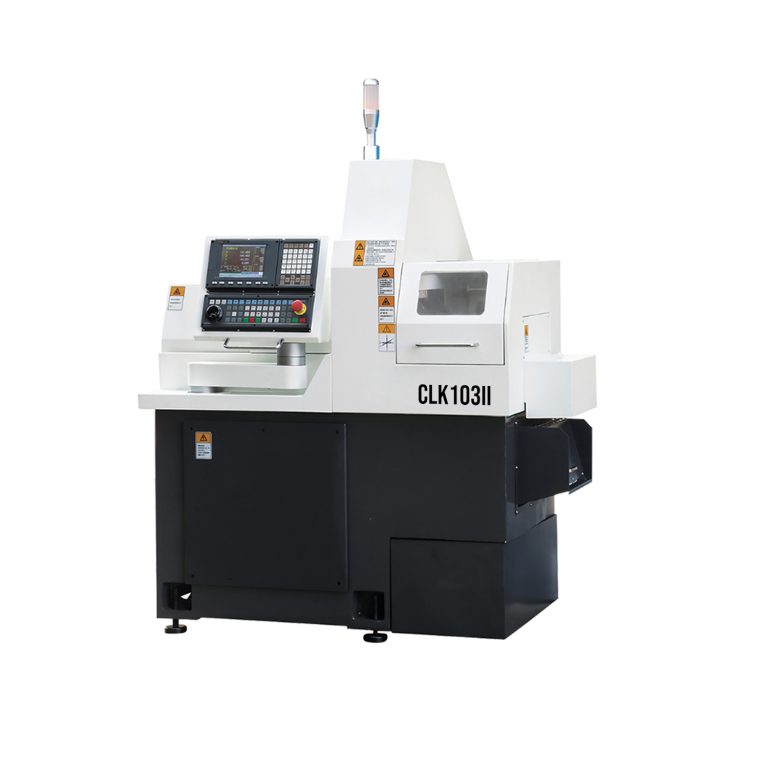
New Principles and a Forward-Looking View
What’s Next?
We should shift from treating machines as isolated islands to designing them as collaborative components. New technology principles emphasize open communication protocols, real-time edge computing for on-the-fly adjustments, and modular I/O that lets a spindle share telemetry with a turret and the cloud. When implemented, these ideas shorten setup time, reduce scrap, and let a single operator supervise more complex cells. I’ve tested cells where integrated feedback cut cycle variation by double digits. — funny how that works, right?
For shops considering upgrades, it also helps to compare ready-made cells against retrofitting legacy gear. If you’re browsing for a modern platform, look beyond the sticker price (and beyond every “cnc lathe machine for sale” listing that promises miracle gains). Ask how the system handles toolpath handoffs, whether the controller supports deterministic Ethernet, and whether predictive maintenance hooks are built in. My judgment? Those three questions separate robust investments from expensive experiments.
Closing: How to Choose Wisely
I’ll leave you with three practical metrics I use when advising teams on automation upgrades. First, measure effective cycle time under mixed production; that reveals real throughput. Second, track mean time to diagnose (MTTD) for faults — a low number indicates good visibility into controls, networks, and power subsystems. Third, evaluate integration cost: how much engineering time will be needed to get the cell talking to your ERP and quality systems? These metrics are simple to track and directly tied to dollars on the floor. They also force clarity about what you expect from automation.
We’ve talked through problems, seen where multi-tasking cells often fail, and outlined principles that actually work. I don’t pretend there’s a single right path — projects vary, budgets vary, people vary — but I do insist on asking the right questions and measuring outcomes. If you want a practical next step, start with a pilot cell and measure those three metrics. You’ll learn far more than a glossy spec sheet ever tells you. For further resources and equipment options, see Leichman.