
Intro: The Morning You Change Gears
Here’s the truth: when the road get quiet, your mind get loud—in a good way. That is the pull of a vintage cruiser, the kind that roll easy and keep the stress low. Picture dawn light, cool breeze, a long empty stretch. In a recent rider poll, more than half say they ride farther and feel safer on relaxed bikes with mellow throttle and low seat height. So, if more comfort brings more saddle time, what else shift when you slow the pace, mi fren? (Plenty.) The dashboard of life start to clear, ya know, and the ride start teach you things.

But ask yourself this: are you choosing a bike that fit your day or just your feed? The old-school lines look sweet, yes, but it’s the way it carries weight and smooth out bumps that change your mood. That’s where the real story lives—under the shine, in the small details. We going there next, step by step, with calm hands and open eyes.
Comfort vs Hype: A Side-by-Side That Riders Feel
Set two bikes in your yard: a laid-back cruiser and a shouty speed machine. Both promise joy, but they deliver it different. On the cruiser, the seat hugs, the bars sit wide, and your knees relax. The longer wheelbase keeps the line steady. Add a touch of suspension preload, and potholes turn into little ripples. On a sport setup, the thrill hit fast—but so does neck strain. After an hour, the grin fades and the wrists complain—funny how that works, right?
Numbers tell part of it. A gentler gear ratio makes starts easy at lights and in traffic. Brakes bite firm but not harsh, which helps when roads get dusty or wet. You feel in control, not on edge. That control builds confidence. Confidence builds distance. And distance builds memory. The hype chases you to a corner; comfort carries you past the next town. If you ever rode home in silence after a long loop, you already know which one stays with you.
The Deeper Cut: Where Bobbers Shine—and Rub
What gets missed?
Let’s go technical, clean and simple. Many gravitate to classic bobber motorcycles for the stripped look and tight stance. Hidden inside the stance are trade-offs. A shorter rear and a chopped fender can change rider posture and how road shock travels up the spine. The torque curve often feels punchy down low, which is a joy in city rolls, but it can mask choppy fueling if the EFI mapping isn’t dialed for your altitude and fuel. Look, it’s simpler than you think: the parts that make a bobber look lean also shift the way forces move through the frame.
From Part 1, we said comfort keeps you riding. Here’s where bobbers ask for more setup work to reach that comfort. Rake and trail affect how the front tracks. If they get too tight, low-speed turns feel twitchy. If the sprocket ratio leans short, the engine buzz sits higher on the highway. None of this is a deal-breaker. It just means you tune with intent: bar rise, seat foam density, and maybe a fork oil change. When you square these simple tweaks, bobbers go from “cool look” to “daily-ready” fast.
Comparing Tomorrow: Heritage Feel, Smarter Tech
What’s Next
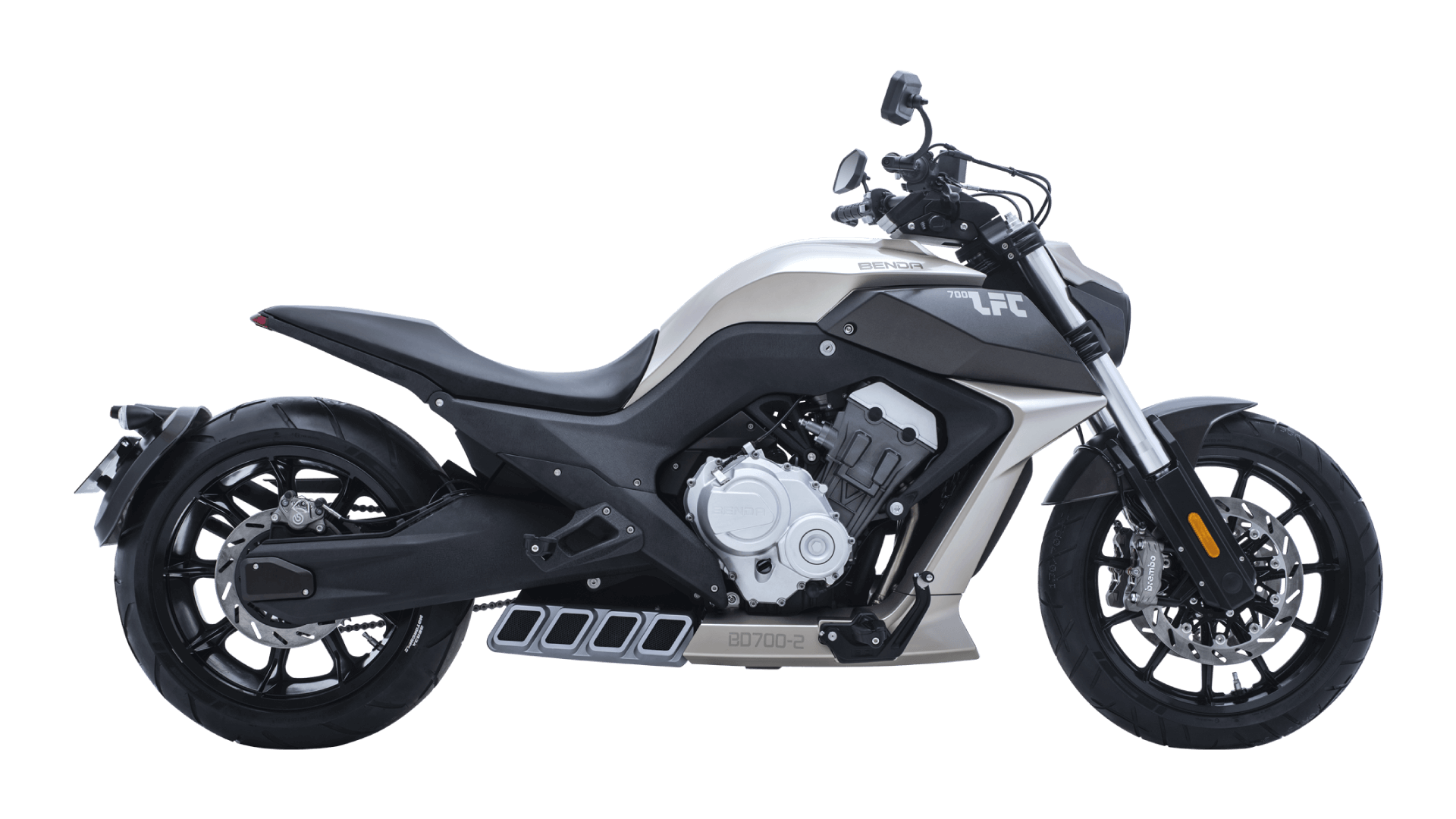
Now let’s look forward—same calm brain, bigger view. The next wave blends old lines with quiet smarts. A well-set vintage bobber motorcycle can keep its stance and still add light tech that never shouts. Think ABS modules that intervene late, ride-by-wire that smooths the first millimeter of throttle, and a clean CAN bus to keep wiring tidy. None of this steals the soul. It trims the stress. And when stress drops, range and joy rise together.
What does that mean after our earlier notes on posture and control? Simple: you get the calm of a cruiser with the snap of a bobber—without the surprise. A gentle assist on braking helps on wet paint lines. Subtle traction control saves you once, then stays out of the way. A brighter LED beam widens the night lane. You ride longer, stop less, and arrive fresher—then want to loop back for more. That’s the quiet revolution, built on small choices and steady gains.
To choose well, watch three things: 1) fit and feel over an hour—seat shape, bar reach, and how your back talks; 2) baseline tune—throttle response, gearing, and how the bike holds a line at low speed; 3) support path—service intervals, parts access, and how easily you can tweak suspension and controls. Measure those, and the right bike shows itself—no drama, just results. Then ride it your way, day after day, and let the road do the teaching—because it always does, in the end. BENDA