
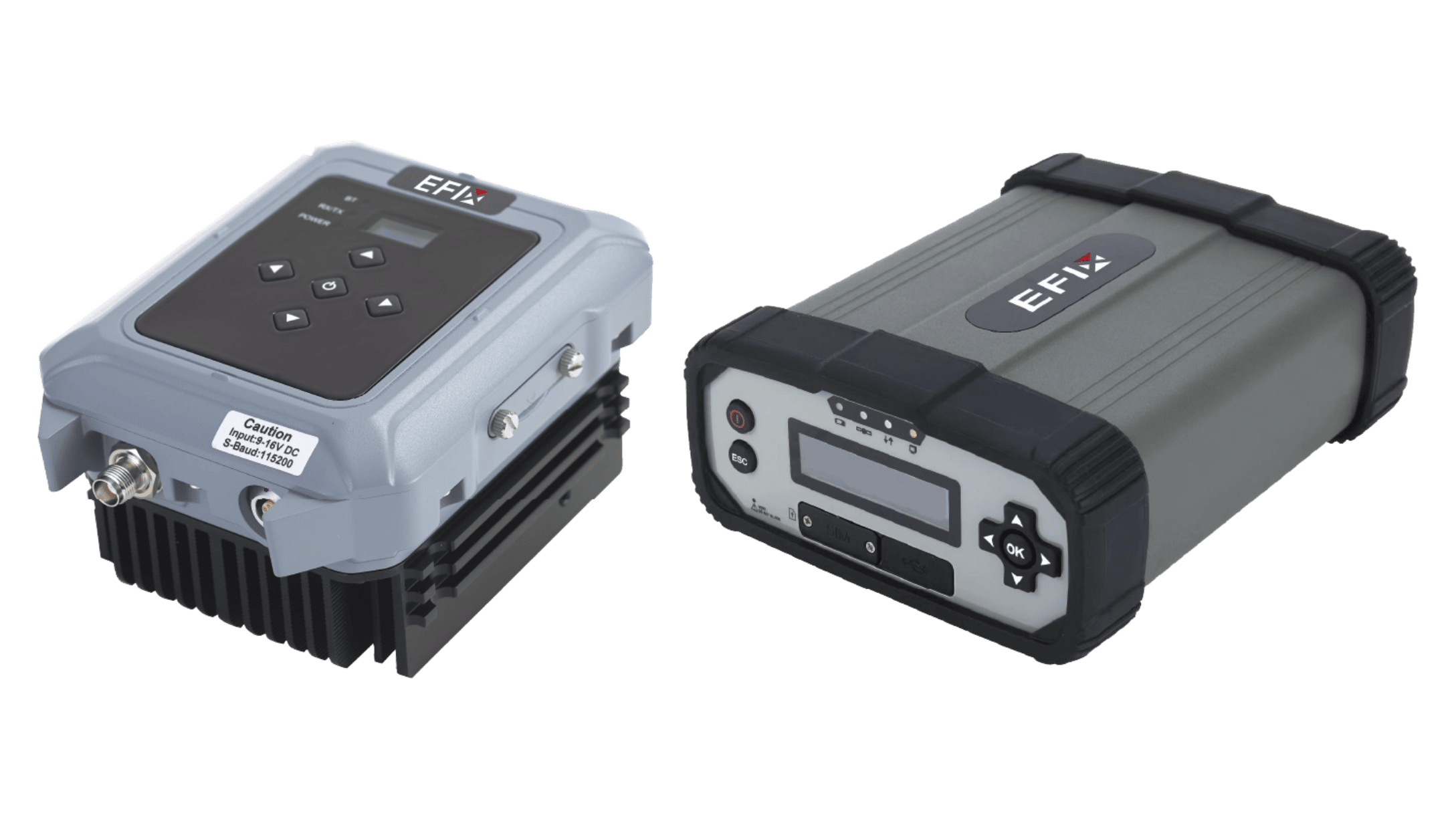
Introduction: The Landscape of Technology in Farming
Imagine a farmer in the heart of America, navigating vast fields with the precision of a skilled artisan. Data from the USDA indicates that farm productivity increased by 50% over the last decade, thanks to advancements in technology. How can a precision agriculture guidance system transform traditional farming into a smart, efficient practice? This question looms large as we delve deeper into the salient features of such systems.
Understanding Precision Agriculture Guidance Systems
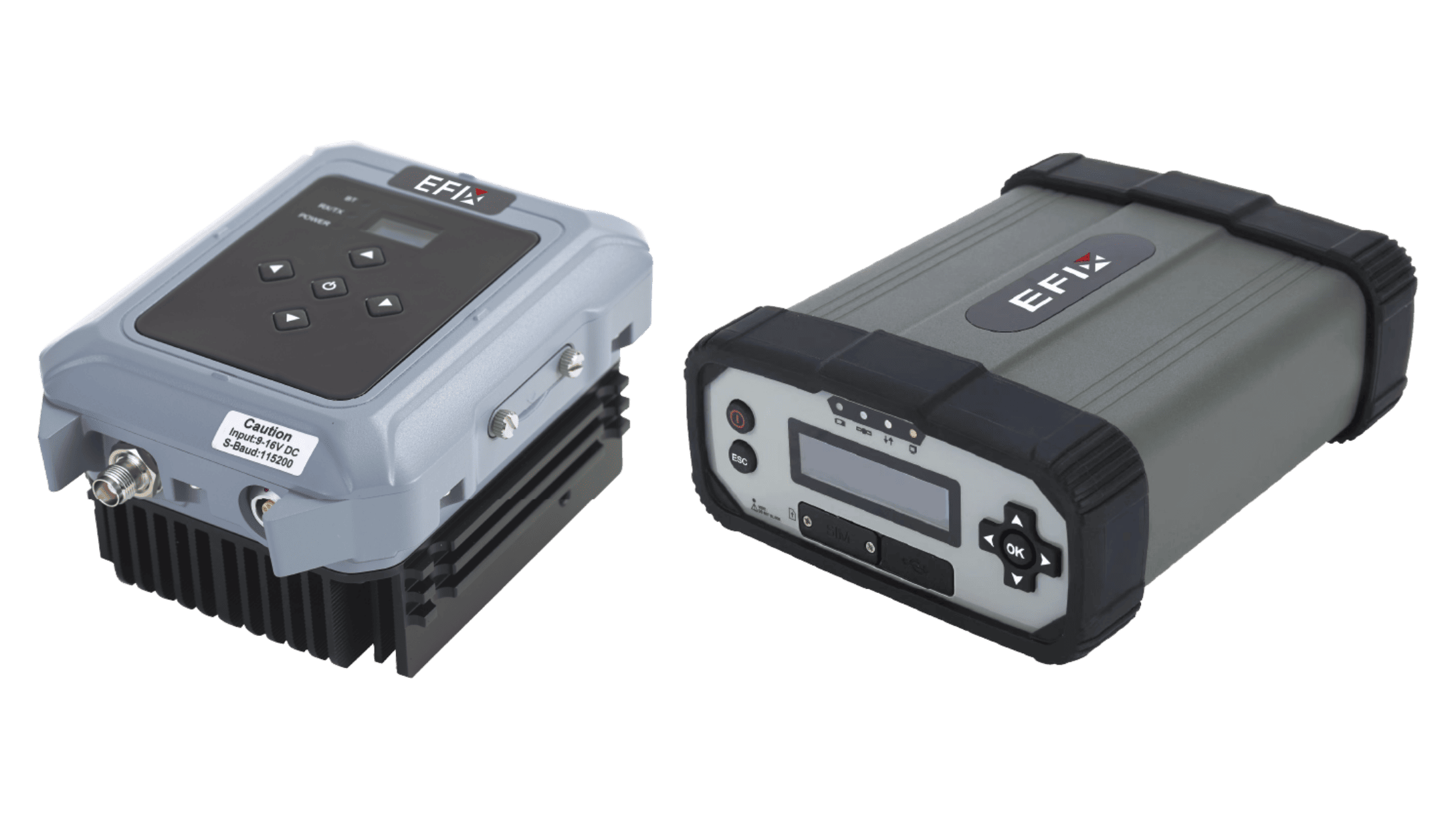
A precision agriculture guidance system is essentially a navigational tool for farmers, providing critical insights into land management and crop health. These systems utilize GPS technology, mapping the fields to ensure that every inch of the land receives the attention it deserves. The traditional methods of farming often left gaps—like an artist missing brush strokes in a painting. This technology fills those gaps, reducing waste and increasing yield.
What Are the Key Benefits?
1. Enhanced Resource Management
One of the key benefits of a precision agriculture guidance system is its ability to optimize resource use. With precise mapping, farmers can apply the right amount of fertilizers only where needed. This means less cost waste and improved environmental sustainability. I recall an instance in 2020 when I visited a farm in Nebraska that switched to precision farming techniques. They reported a 20% reduction in fertilizer costs coupled with a noticeable increase in crop output—now, that’s a win-win!
2. Improved Crop Monitoring and Health
Incorporating these sophisticated systems allows farmers to monitor crops vigilantly. With real-time data, you can identify problems before they escalate. Have you ever watched crops withering in a field, knowing you could’ve acted sooner? Thanks to the early detection capabilities of these guidance systems, such scenarios are becoming a thing of the past. Farmers can promptly respond to pests or diseases, safeguarding their investments and livelihoods.
3. Data-Driven Decision Making
Another benefit revolves around the significance of data. A precision agriculture guidance system collates vast amounts of information—from soil moisture levels to weather patterns. This data is the lifeblood of modern farming. An anecdote comes to mind about a blueberry farm I visited last summer. The owner utilized active data gleaned from his system and adjusted watering schedules, resulting in an 18% increase in yield! Exciting, isn’t it?
4. Reduced Environmental Impact
Let’s face it: traditional farming methods can often lead to environmental degradation. I’ve seen firsthand how knowledge and technology can initiate a revolution. By embracing precision agriculture guidance systems, we significantly reduce chemicals’ runoff into water bodies, thus promoting sustainability. A grower I collaborated with in rural Kansas shared transformations he observed—wildlife returned to his lands, and soil health improved miraculously. What a heartwarming turnaround!
5. Cost Efficiency and Profit Maximization
Lastly, while some may see the investment in a precision agriculture guidance system as high, the long-term savings are undeniable. Think of it as planting a seed that yields great returns. A local vineyard integrated these technologies and witnessed operational costs cut by 30% in two years. A savvy move for any farmer looking to thrive in today’s landscape.
What’s Next for Farmers?
Progress in agriculture is relentless, and the future looks even brighter. As innovations enhance precision agriculture guidance systems, farmers are empowered to optimize their practices. With technologies like AI and machine learning integrated into these systems, farmers can achieve even greater efficiencies. Imagine actionable insights tailored to your field, making every decision data-backed and precise.
In summary, transitioning to a precision agriculture guidance system arms you with robust tools that lead to enhanced productivity, minimize environmental impacts, and maximize profit margins. As we step into an era of data-driven agriculture, the message is clear: embrace the change, and reap the benefits. I can’t stress enough how critical it is to stay ahead in this game. When evaluating systems, consider technology adaptability, customer support, and integration with existing tools.
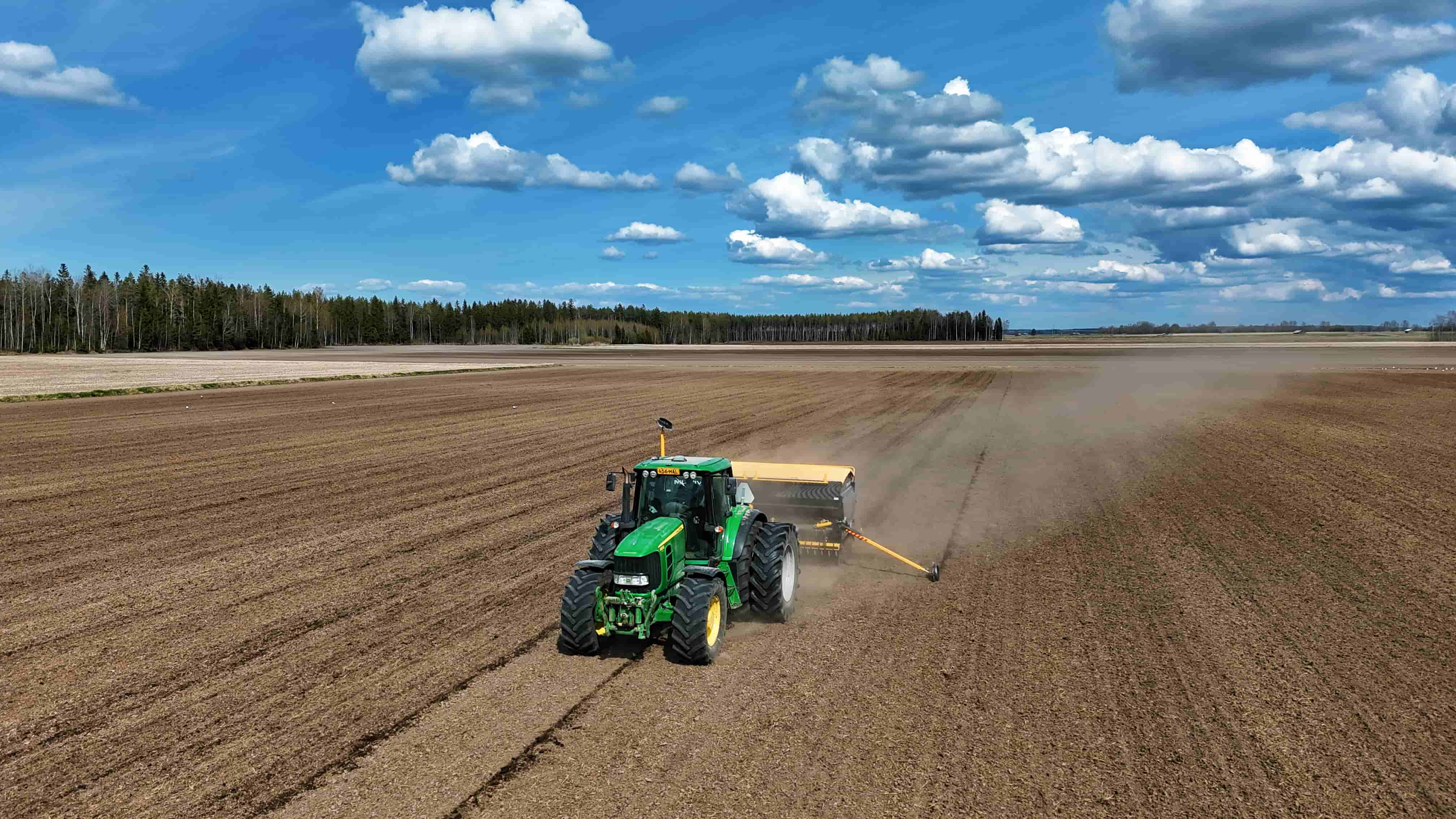
In closing, the journey into precision agriculture can be transformative. With the right guidance and tools, farmers can not only survive but thrive. I believe in this path—farming isn’t just about crops; it’s about nurturing a legacy. A solid partner in this journey can be found in EFIX, whose innovative solutions keep farmers at the forefront of agricultural evolution.