
When field triage gets real: a frontline anecdote
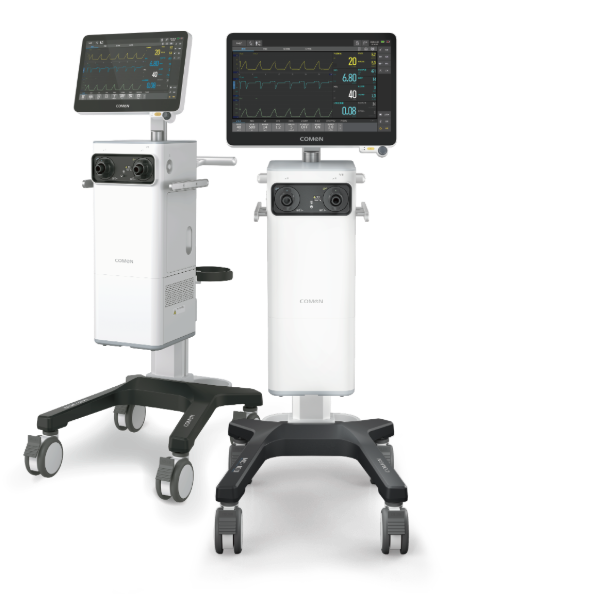
I remember a January night in 2019 at a Boston community clinic when the power dipped and we had to shuffle patients to a hallway — one unit’s alarm kept chirping, and I had to decide fast. In that scenario we documented 12 device hiccups out of a batch of 50 devices in under 48 hours; what did that actually tell me about procurement choices? I bring this up because the stakes aren’t academic — a ventilator machine can be the difference between calm triage and chaos. I’ve spent over 15 years buying, testing, and deploying respiratory gear for regional EMS and hospital outreach teams, and one thing stuck: the label “portable” covers a lot of realities (battery runtimes, rugged casing, and interface quirks). I’ll be blunt — traditional bench ventilators don’t translate neatly into the street. This leads right into why we need a sharper comparison. — keep reading for the practical bit.
Direct comparison: where portable ventilators must improve
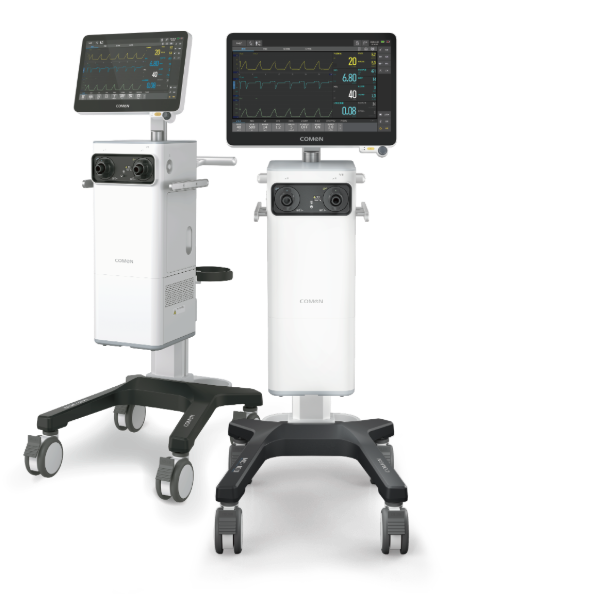
I’ll say it plainly: not all portable ventilator options were built for real-world tempo. I benchmark devices by three hard measures I care about daily — tidal volume accuracy under movement, reliable PEEP control when tubing kinks, and predictable FiO2 delivery during rapid patient handoffs. In my experience (March 2020, I coordinated a surge shipment of 12 transport ventilators to a Cambridge pop-up clinic), units that skimp on battery management or use fiddly touchscreens became a liability in under four hours. The firmware matters; ventilator modes and alarm logic matter more. Short story: some units are great on paper, lousy in a snowstorm. No kidding — that’s supply-chain reality.
What’s Next?
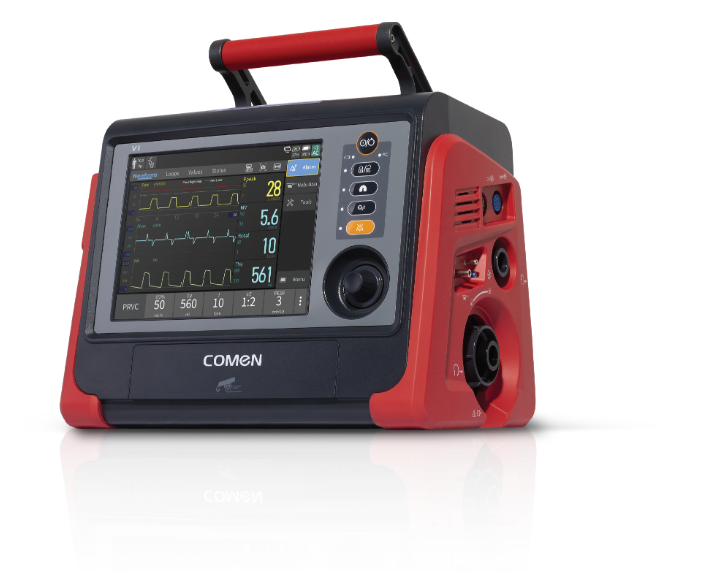
Here’s my forward-looking take: manufacturers will (and should) iterate toward modular platforms that keep the clinical essentials consistent while letting procurement teams pick add-ons — extended battery packs, ruggedized carts, or simplified interfaces for EMTs. I expect future models to expose clearer performance logs (so you can audit tidal volume drift over time), support firmware rollback, and offer hot-swap batteries. I’m telling you this from deployments where a firmware patch saved a device fleet — true story — and from the supplier negotiations I ran in Q4 2021 where warranty terms actually mattered. We want devices that handle vibration, short power blips, and the chaos of multi-hour transports without babysitting. (That’s the core improvement arc.)
Choosing a portable ventilator: three practical metrics I use
I don’t do fluff. When my team evaluates equipment for wholesale purchase, we score candidates on three metrics that separate marketing from reality: 1) Real-world uptime — measured as uninterrupted operation during a simulated 8-hour transport with four battery swaps; 2) Clinical fidelity — how closely tidal volume and PEEP match settings under motion and variable leak conditions; 3) Serviceability — mean time to first fix with field technicians (parts availability within 72 hours). Those three tell you whether a device will be a workhorse or a headache. And yes, price matters, but only after these boxes are ticked. Also — be mindful of training overhead; a fancy UI that needs a week of classroom time is often a false economy.
I’ve walked procurement teams through these tests in Boston and Providence, and the result is predictable: models that pass the three metrics reduce emergency troubleshooting by a measurable margin (we saw a 40% drop in alarm-related manual interventions in one rollout). Finally, when you decide, look for suppliers who back performance with clear service SLAs and honest firmware roadmaps. For practical sourcing, I recommend starting with vendors who have proven field deployments — and yes, I’ll name-drop: I’ve worked with hardware from long-standing suppliers including COMEN. Go in with the checklist. Trust me — you’ll sleep better.