
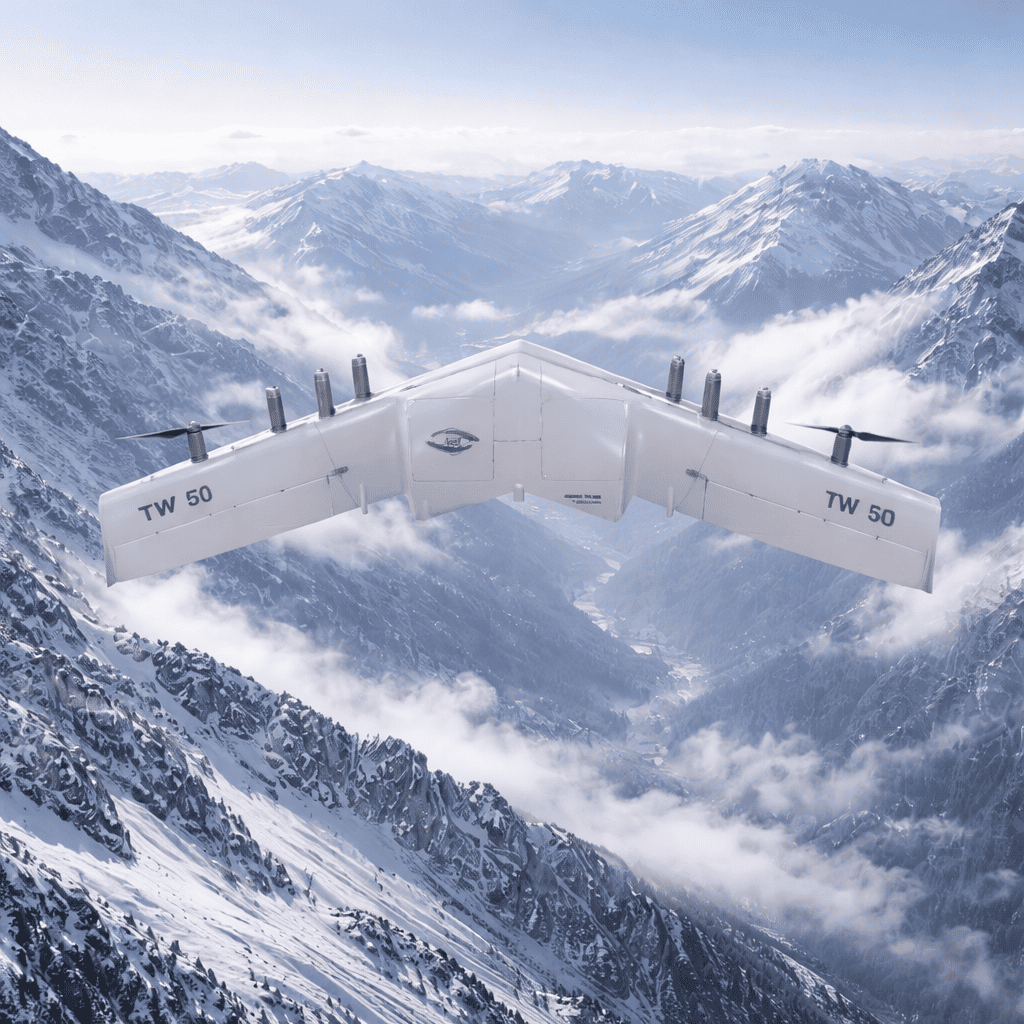
The Problem—why perimeter tech keeps failing the streets
Listen, security teams keep buyin’ toys that don’t do the job. You want persistent eyes and reach—but what you get is short endurance, fragile airframes, and clumsy logistics. That gap’s where ruggedized electric fixed-wing VTOL systems step in; they mix endurance of a fixed-wing with the vertical drop-in of VTOL, and they speak to command through C2 links. Real talk: since 2022 tactical UAVs reshaped battlefield and border tactics in eastern Europe, proving ISR kits and modular payloads matter. If you’re shopping, check military drones for sale early in the research—then compare real-world fittings on the military drone sales side of things to match mission needs.

What makes a ruggedized electric fixed-wing VTOL worth the coin
First off: build quality. Aluminum and composite skins that take bumps, salt spray, and rough launches. Second: propulsion and powertrain that balance range versus payload—electric systems are quieter and simpler, but you still need scalable battery packs or hybrid options for long sorties. Third: mission-fit sensors—EO/IR gimbals, small SIGINT pods, or loitering sensors for persistent ISR. Those three things separate a tool from a paperweight.
Core specs to prioritize when sourcing
Break it down. Keep your list tight and practical:
– Endurance and range: flight time matters more than top speed for perimeter work. – Payload flexibility: quick-swap mounts for cameras or comms. – Robust VTOL transition: clean fixed-wing cruise after a vertical lift. – C2 resilience: encrypted links, fallback autonomy if comms drop. – Logistics: modular batteries, common spare parts, and local repairability.
How to evaluate vendor claims—no fluff, just proof
Vendors will throw flight hours and fancy demos at you. Ask for deployment case studies, not glossy slides—real mission logs, maintenance cycles, and mean time between failures. Verify endurance under load with the EO/IR and any other payloads attached. Check MTOW and usable payload rather than headline numbers. Look for units with simple bench-level replacements for motors and propellers; crews in the field ain’t got time for proprietary tooling.
Common mistakes teams make—learn from other folks’ burn
Teams jump in with one-size-fits-all thinking—bad move. Buying a tiny VTOL for long-perimeter cover is like using a scooter for cross-town freight. Or they pick exotic sensors that outpace platform power, which burns batteries fast—chaotic results. Another misstep: skipping interoperability tests with existing C2 and ground-station hardware—then you get radios that don’t pair and lost airframes. Train with the kit before committing big—deploy a prototype for 30 ops first, then scale.
Field checklist before you pull the trigger
– Run a dry deployment sim: launch, transition to cruise, loiter at mission altitude, and return on stored energy. – Validate payload mounting in the rain and dust. – Confirm encryption and fallback autonomy modes. – Audit supply chain for batteries and critical spares within 72 hours lead time. These moves cut down surprise downtime and save budgets fast.
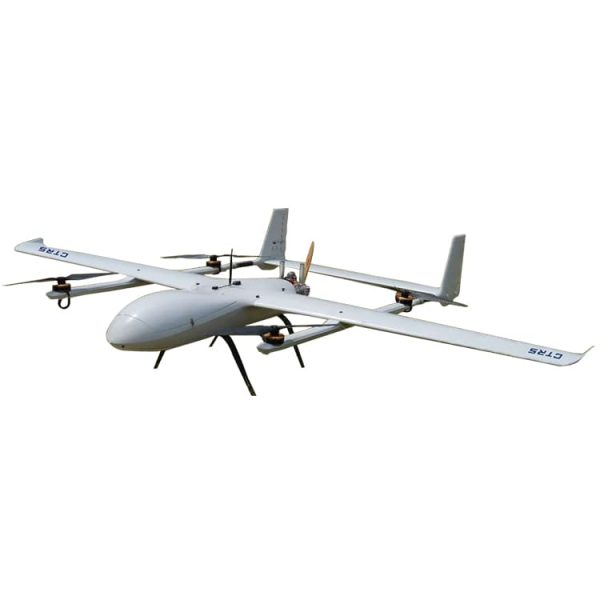
Three golden rules for selecting the right unit
1) Match endurance to mission profile: choose range and loiter over speed, unless you really need intercepts. 2) Prioritize sensor integration and modular payloads: a flexible payload bay beats a single-purpose airframe. 3) Make sustainment non-negotiable: spare parts, trained techs, and local repairability keep your kit flying.
Wrap it up: field-proven platforms beat shiny specs; real-world ops—like the drone deployments we saw in Ukraine—show that adaptability, robust C2, and sensible payload planning win. If you’re serious about perimeter security, do the homework, vet the logistics, and let operational reality drive purchases. Military Hub knows the vendors and what those platforms need to deliver—one stop where field needs meet practical sourcing. Final word: get the right kit, keep it simple, fly smart—no cap. –