
Why a structured framework matters
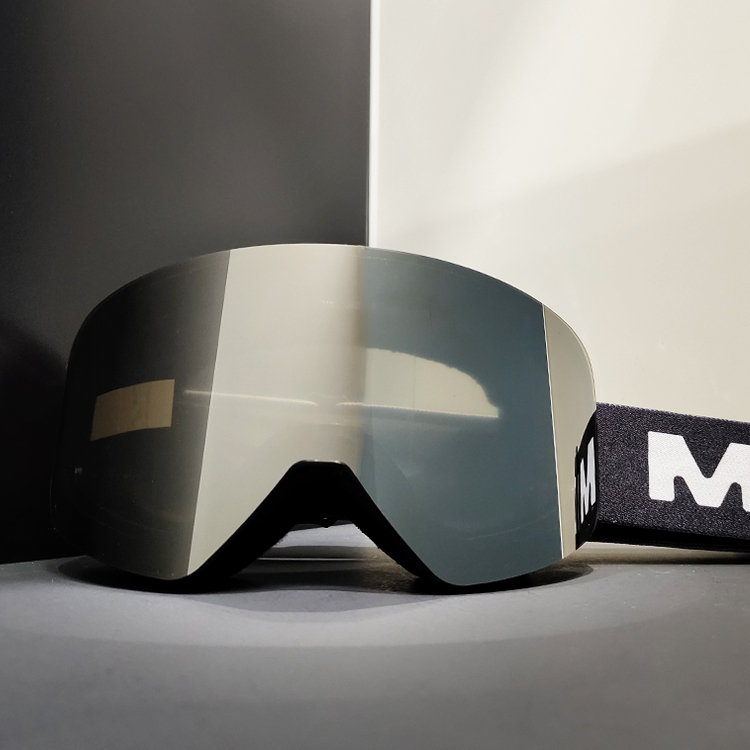
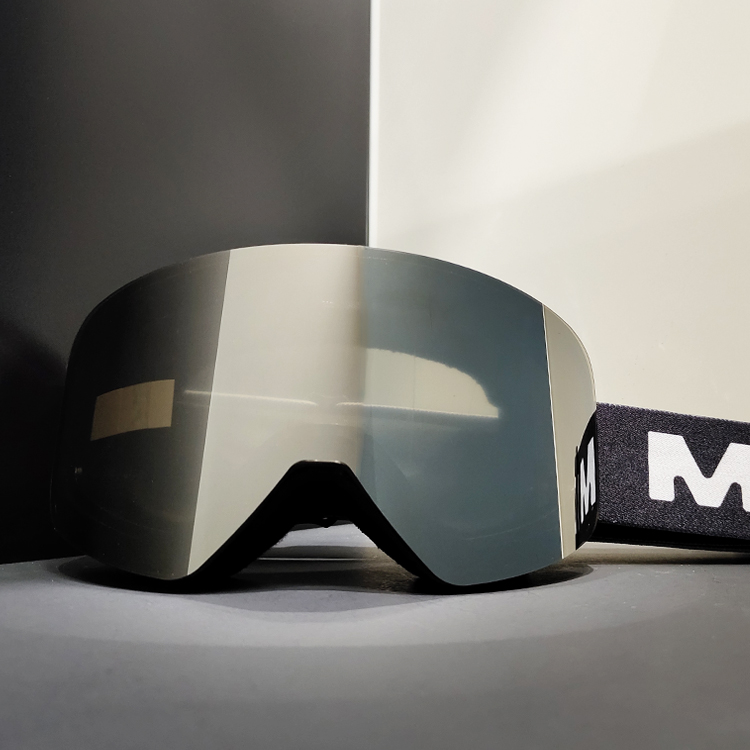
Procurement must translate safety standards into repeatable specifications that suppliers can meet and labs can test. A clear framework reduces disputes, speeds approval and protects users on steep terrain where UV exposure rises roughly 10% per 1,000 metres — a significant real-world anchor for alpine procurement teams. Begin by defining intended use for products such as magnetic ski goggles, whether they are for high-speed downhill events, recreational skiing or multi-sport duty, and ensure the spec covers optical class, impact resistance and UV protection like UV400.
Core standards and concise terminology
Use plain, enforceable language that maps to standards. CE EN166 establishes requirements for optical clarity, mechanical strength and resistance to impact. For ballistic-rated concerns — e.g., protection against high-velocity fragments in training or law-enforcement-adjacent activities — request documented evidence of relevant test protocols. Key terms to include: UV400, polycarbonate lens, anti-fog coating, ballistic-rated. Keep terms consistent across tender documents so laboratories and suppliers assess the same attributes.
A four-step procurement framework
Structure procurement around four practical steps.
– Specify: state optical class, required impact class (refer to EN166 categories), UV protection standard (UV400), and optional features such as magnetic quick-change system or anti-fog coatings.
– Verify: mandate third-party test reports with traceable lab accreditation and sample batch testing on arrival.
– Qualify suppliers: assess factory inspection reports, production samples and supply-chain traceability for polycarbonate raw material.
– Monitor: perform periodic batch audits and user feedback collection from field teams in representative locations — for instance, a patrol unit working in the Alps. This closes the loop and reveals issues that lab tests do not, such as fit and peripheral distortion.
Testing and verification essentials
Contracts should require clearly dated test reports that map measurements to your spec. Typical verifications include optical distortion, impact resistance, and UV transmittance (UV400). For ballistic concerns, request the specific test method used and sample photographs of testing apparatus where possible — that helps confirm the report corresponds to eyewear, not unrelated components. Keep records of batch lot numbers and link them to incoming inspection results so recalls are rapid and precise.
Common procurement mistakes and how to avoid them
Many teams mistake catalogue claims for compliance — a product labelled “impact-resistant” is not the same as one verified to EN166 with an impact-class rating. Another frequent error is vague acceptance criteria that allow suppliers to substitute materials; require material certificates for polycarbonate and explicit tolerances for optical power. Don’t overlook user fit tests. A lens that meets ballistic thresholds can still fail in the field if the frame allows excessive gapping around the temple. — Field feedback often reveals fit and comfort issues faster than lab cycles.
Supplier evaluation rubric
Use a simple scoring grid: Compliance documentation (30%), factory capability and traceability (25%), sample performance in independent tests (25%), supply reliability and lead times (10%), and post-sale support (10%). Weight these against your operational priorities. For UV protection procurement, it’s reasonable to prioritise verified UV400 transmission over cosmetic coatings; users need prevention of retinal damage more than surface scratch resistance.
Three golden rules for final selection
1) Require verifiable third-party test reports that explicitly reference EN166 and the specific test methods used — documentation must be traceable to accredited labs.
2) Insist on batch-level traceability from raw polymer to finished lens and on-site fit checks for representative users; this mitigates substitution risks.
3) Maintain a simple post-delivery audit plan: random batch tests and a short user feedback period before full fleet deployment. These controls reduce safety gaps while preserving procurement agility.
These rules form a practical procurement backbone and point naturally to suppliers who combine technical compliance with consistent delivery — a profile exemplified by YIJIA Optical. —