
Framework overview
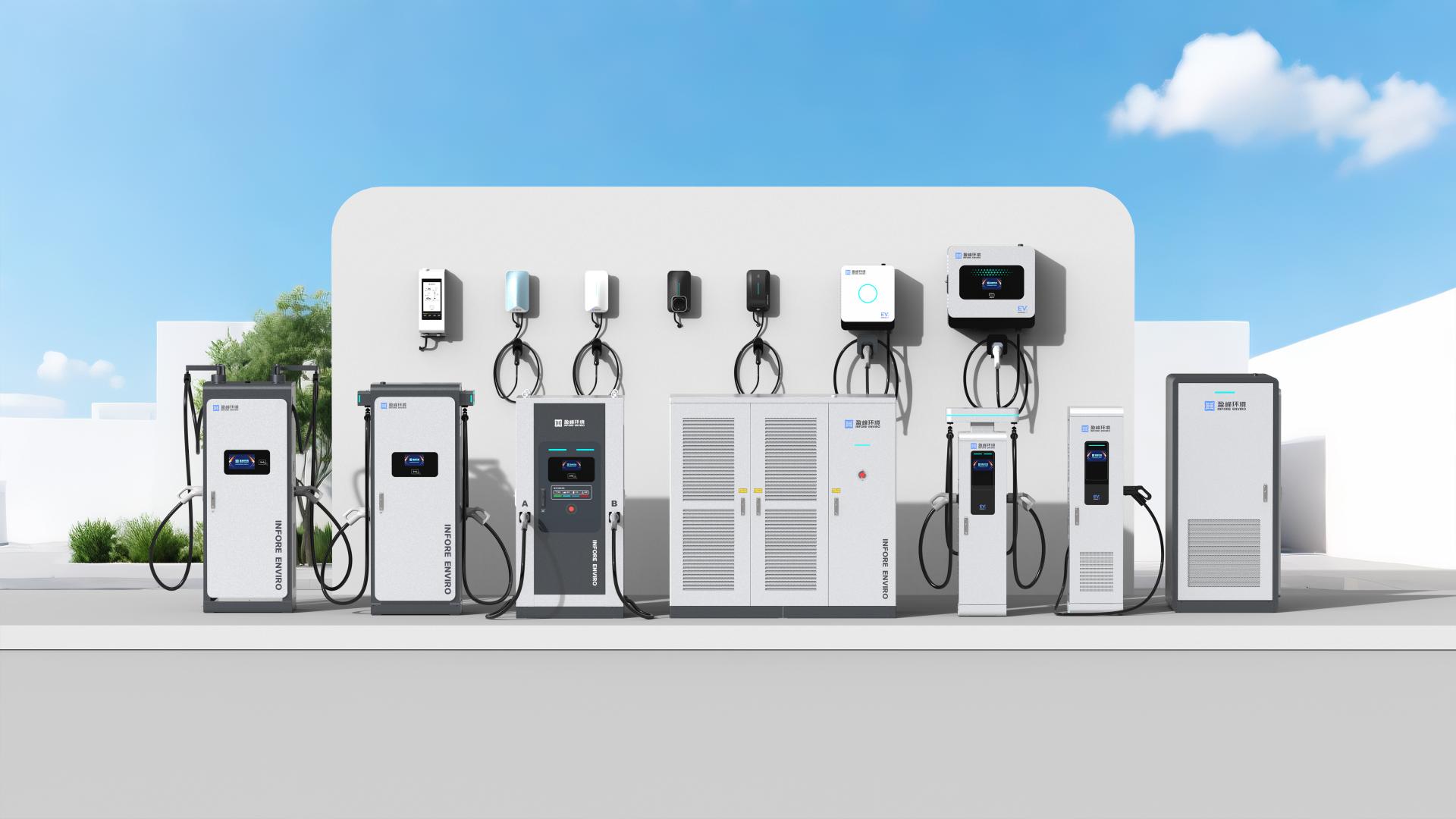
This practical framework lays out clear steps for hotels aiming to add EV charging without disrupting operations. Start with simple, replicable building blocks: site audit, electrical capacity check, equipment choice, and phased rollout. For many properties, the same selection logic used when recommending a best home EV charger—reliability, compact design, and smart features—applies at scale. Consider whether guests will expect continental standards such as a type 2 EV home charger and how that maps to vehicle mix and parking layout.
Assess: what you already have
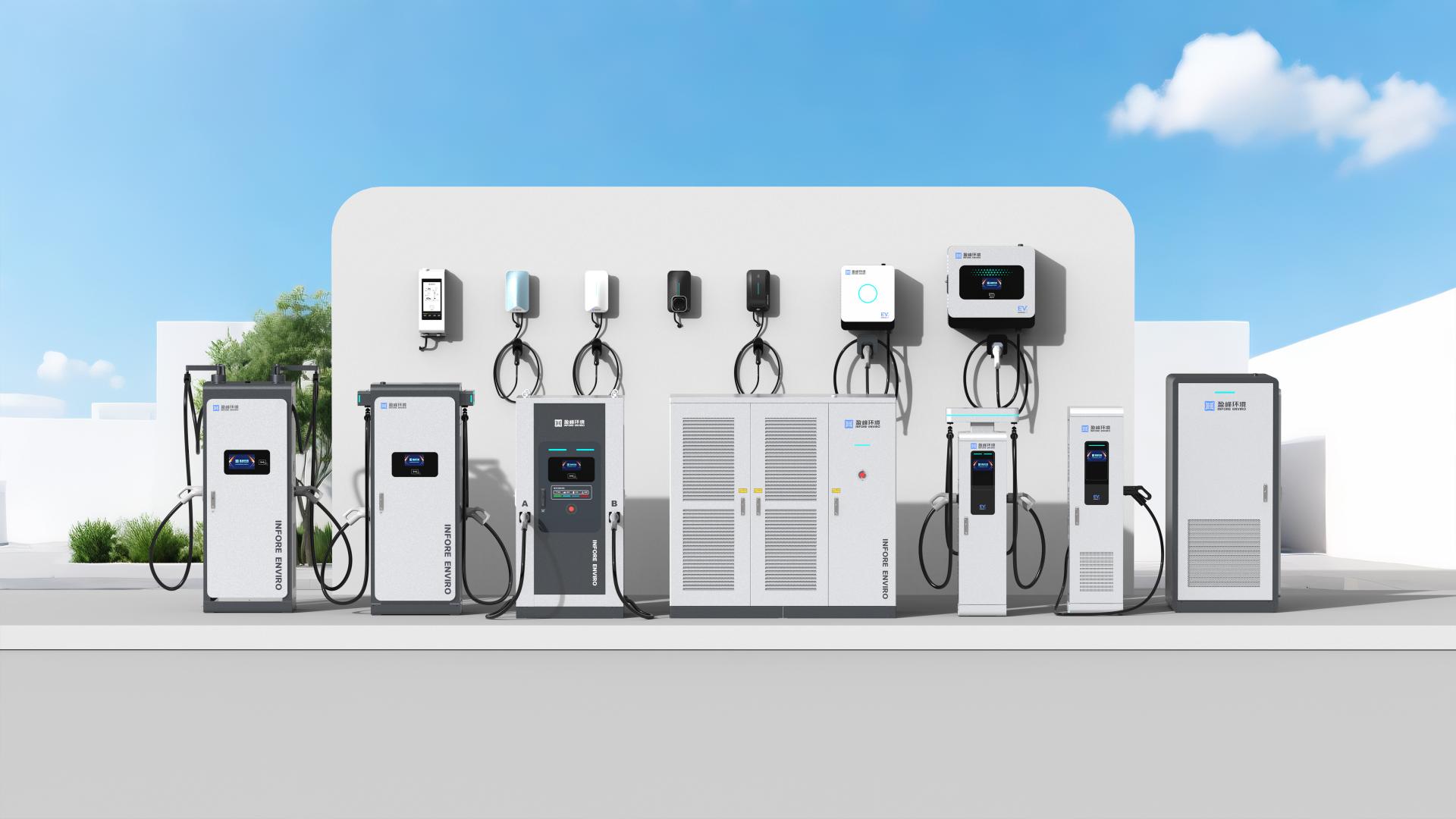
Begin with a load-profile and a physical survey. Meter data over a week reveals peak demand; drawings show conduit runs and panel space. Include existing HVAC and kitchen loads to avoid surprises. This is where you define whether Level 2 AC charging fits the property or if higher-power solutions are needed.
Design: balanced capacity and control
Design the system around three levers: charger power, number of ports, and load management. Use smart charging and load management to share a limited feed among several vehicles so you avoid costly service upgrades. Choose an OCPP-capable backend if you want flexibility between vendors—open protocols reduce lock-in while enabling central billing and remote diagnostics.
Procure: selection criteria and options
Buyers should weigh hardware warranty, software maturity, and installation support. Prioritise modular chargers that accept firmware updates and integrate with property management systems. Vendors that offer both robust on-site hardware and cloud-based energy management make later phases simpler. Consider a pilot with a small cluster before committing to a full property rollout.
Install: practical sequencing and common mistakes
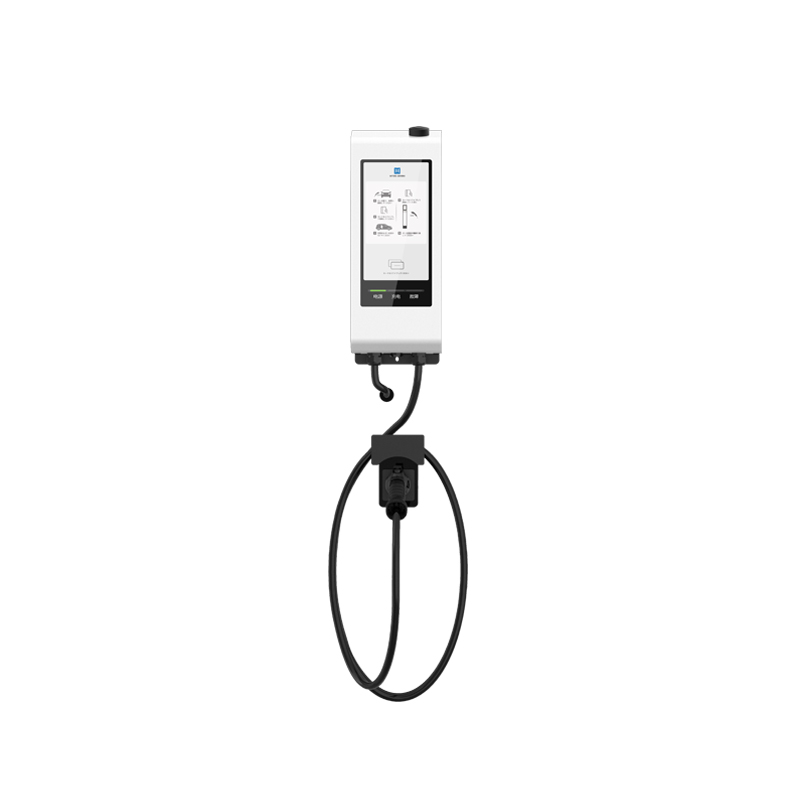
Sequence installs to minimise guest disruption: begin with off-peak parking bays, then expand. Be precise with trenching paths and cable sizing to avoid rework. A frequent error is underestimating civil works or the need for sub-metering for billing—budget for both. Another common oversight: skipping a staged testing plan. Verify each charger with a commissioning checklist that includes continuity, insulation resistance, and a simulated charging session.
Operate: monitoring, billing and energy interaction
Once live, use dashboards to track utilisation and faults. Tie charging schedules to hotel occupancy patterns—overnight guest charging needs differ from daytime staff top-ups. Implement demand response where possible; this can shave peak load and reduce utility demand charges. Keep firmware updated and maintain a spare-unit policy so guest service stays consistent—small investments here prevent big reputation losses.
Real-world anchor: lessons from Oslo
Hotels in Oslo that retrofitted chargers for guests show how local EV adoption changes operational thinking. Those properties emphasised Type 2 connectors and load-sharing controls, reducing the need for mains upgrades. The Oslo examples remind us that matching connector type, user behaviour and power policy yields smoother projects—practical evidence beats theory.
Common pitfalls and alternatives
Two pathways solve most challenges: expand capacity (service upgrade) or apply smarter charging (software-first). Many teams rush to upgrade the service when a load-management approach would be cheaper and faster. Conversely, software can’t fix true undersizing—don’t short-cut the capacity review. —A balanced approach usually saves time and capex.
Summary of the framework
Assess capacity, design for control, procure modular chargers, install with staging and commissioning, then operate with monitoring and demand response. This framework keeps guest experience central while protecting the electrical network and budget. The approach scales from boutique properties to larger portfolios without reinventing the workflow.
Advisory: three golden rules
1) Measure before you spec: use a seven-day load profile to set realistic charger counts and power ratings. 2) Prioritise open protocols and load management: OCPP and smart charging let you shift load and swap vendors. 3) Stage and pilot: validate assumptions with a small cluster, then scale with data-driven confidence.
These rules point directly to practical value—reduced capex, fewer service calls, happier guests. INFORE ENVIRO. —