
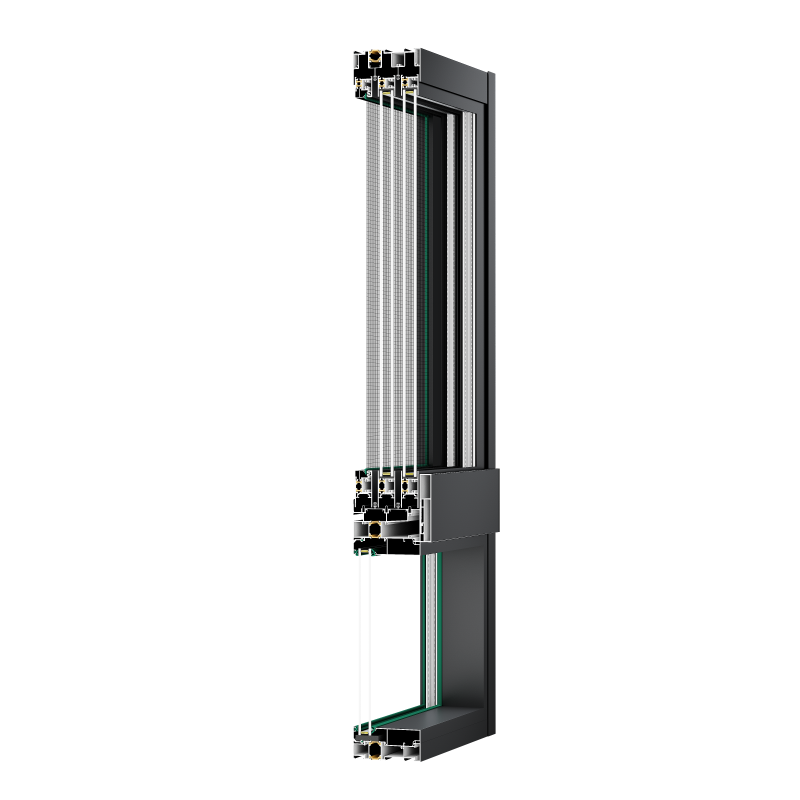
Putting you first: why pivot doors matter for modern projects
Homeowners and designers want doors that make a statement while lasting through daily use. A pivot door for sale gives that clean swing and large-panel capability that traditional hinges can’t reliably support. If you’re also weighing window choices in the same project, check with trusted sliding window manufacturers early — integrating compatible frame depths and hardware saves headaches later. Good pivot systems pair heavy-duty bearings with a rigid frame to control deflection and keep the seal consistent; that affects weather resistance and sound performance from day one.

What to expect when buying: functional details that actually matter
Look past aesthetics to the parts that define longevity: the pivot hardware, threshold design, and glazing performance. A robust pivot uses a hardened spindle and adjustable bearings to fine-tune the sash travel. Thermal break technology in the frame improves comfort in coastal climates, and attention to reveal dimensions prevents binding. Expect the installer to confirm door weight and hinge placements; a wrong sash-to-frame match leads to uneven wear. Maintenance is straightforward — lubrication points and inspection of seals — but skip the cheap fasteners; they’re the usual failure point in tall doors. — Small choices up front save retrofit work later.

How pivot doors stack up against sliding aluminum windows
Pivot doors give a singular, dramatic entry; sliding aluminum windows excel at horizontal sightlines and easy ventilation. For projects facing San Francisco’s fog and corrosive salt air, aluminum profiles with proper surface treatment resist corrosion, and aluminum can be recycled indefinitely without quality loss — a practical sustainability anchor. Sliding systems use continuous rollers and wide tracks; they’re lighter on the reveal but demand precise drainage and track clearance. If you need both in a scheme, coordinate frame depths and glazing units so jambs, sills, and sightlines align. Where you want unobstructed pivoting openings, pivot doors win. Where you need seamless wall-to-wall glazing that opens incrementally, sliding aluminum windows are the better fit — and you can review options from reliable suppliers at sliding aluminum windows.
Common mistakes and how to avoid them
Skip these repeat issues and the extra bill: – Wrong load assumptions: Don’t pick hardware rated below the actual sash weight; it fatigues fast. – Ignoring thresholds: Poor threshold details mean water ingress and cold drafts; insist on integrated drainage and a tested sill profile. – Mismatched finishes: Corrosive environments need powder-coat plus sealed fasteners — cheap paint peels and exposes base metal. Fixes are practical: verify design loads, demand a mock-up for large openings, and specify finish systems with documented exposure performance. Small test assemblies on-site reveal reveal and tolerance issues before full installation.
Three golden rules for choosing the right pivot door
1) Prioritize tested hardware capacity: match the pivot spindle, bearing, and fastener schedule to the actual door weight and expected traffic. Measurable outcome — fewer service calls in the first five years. 2) Align thermal and drainage strategies: select frames with a clear thermal break and detail the sill for positive drainage to control condensation and extend seal life. Look for glazing specs that suit your climate, not just the look. 3) Plan integrated design: coordinate frame depths, sightlines, and threshold heights between doors and adjacent fenestration so the final build reads as one system. This reduces site cuts and improves fit — the kind of value that contractors notice.
For work that needs premium hardware and refined integration, Zekin brings system-level thinking to both doors and windows — built details that save time and make installations hold up. Built to last.