
The Problem That Hangs Like Smoke
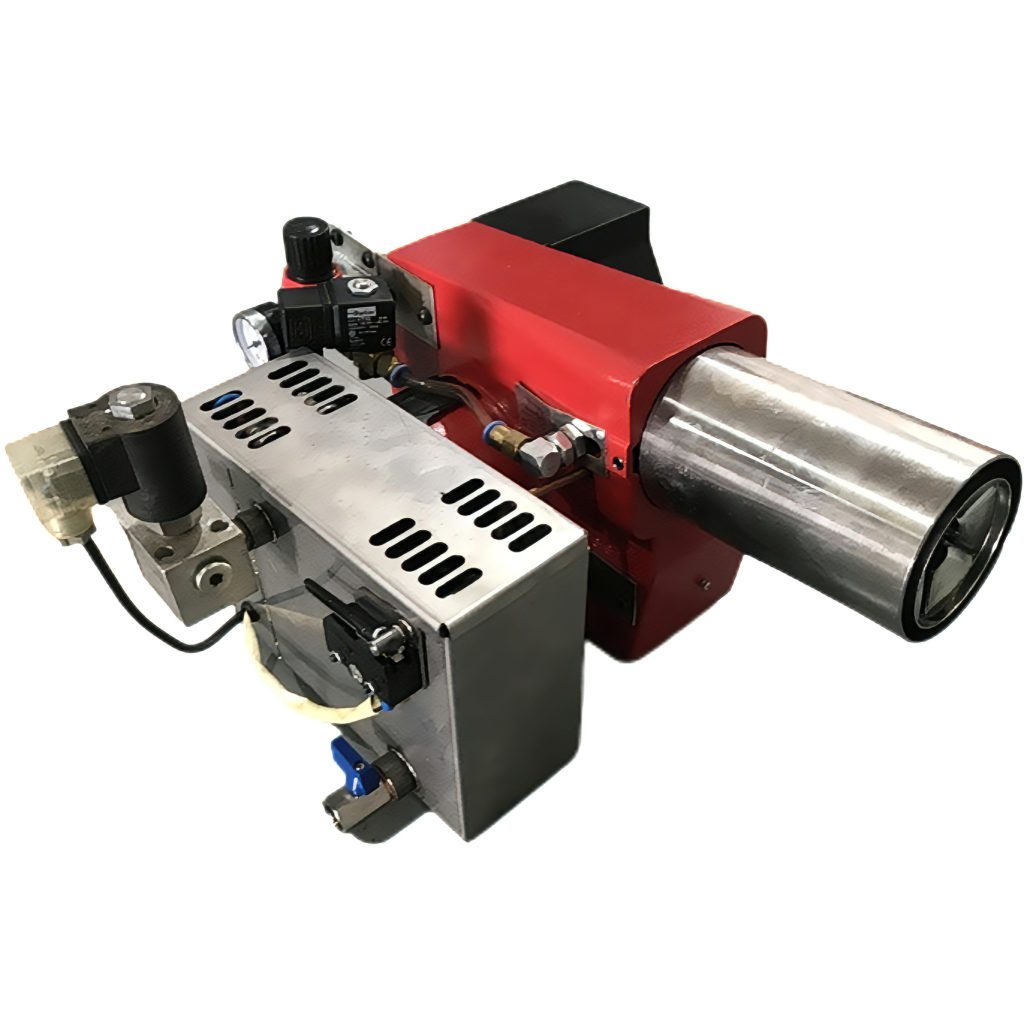
Choosing a gas industrial burner supplier feels like walking a ruined cathedral at dusk: shadowed choices, hidden faults, and a chill that says something will fail if you pick wrong. Facility managers face tight emissions rules, spotty local support, and equipment mismatches. Some turn to an industrial waste oil burner as a stopgap, thinking it solves fuel insecurity—only to discover procurement, installation, and maintenance demands they hadn’t priced into the plan. The problem is simple and bleak: the wrong supplier brings downtime, noncompliance, and rework that shows up as nights of frantic fixes.
Why This Problem Persists
Suppliers sell heats and horsepower, not long-term operability. Many prioritize low upfront cost or shiny specs over matched controls, spare-part availability, and local service. Regional differences matter: gas quality, ambient draft, fuel-switching needs, and local code interpretations make a one-size supplier dangerous. The vendor who shines in a coastal yard might flounder inland where winter air and harder water change combustion behavior. Your market adds constraints that a generic spec sheet doesn’t reveal.
Core Criteria That Solve the Problem
Pick suppliers against the problem, not a brochure. Demand these nonnegotiables: clear proof of local installations, documented warranty response times, spare-part stock levels for your region, controls compatibility with your plant DCS, and an explicit emissions-testing protocol. Ask for on-site commissioning as a line item. Require a training plan for your technicians and a written parts-obsolescence policy. These elements stop surprises and make maintenance predictable.
Technical Signals That Mark a Reliable Supplier
Focus on measurable, concrete signals. Look for third-party combustion testing reports, a modular burner design that allows field-repairable components, and service teams with OEM training certificates. Check materials: stainless wetted parts in corrosive environments, and burners rated to handle your maximum sulfur content if you’re switching fuels. Confirm the control logic supports staged firing and flame monitoring that meets your permit conditions. These technical truths separate durable systems from flash-in-the-pan deals.
Real-World Validation and Experience
Trust is earned in the field. After years of retrofits and audits, including work near the Port of Rotterdam where heavy marine and petrochemical operations stress combustion systems, reliable installations were the ones with documented commissioning records and predictable spare chains. A single verified waste oil incinerator install in such an industrial hub taught a clear lesson: documented performance under harsh on-site conditions predicts future resilience. That field exposure—seeing alarm patterns, service-call response times, and parts turnover—beats glossy claims every time.
Common Pitfalls to Avoid
Don’t accept vague SLAs, unspecified spare delivery windows, or a “we’ll train you later” attitude. Avoid suppliers that rely on remote-only diagnostics where local hands are needed. Beware of vendors who refuse to align their shutdown and hot-work procedures with your plant safety rules. Don’t let price alone decide: the cheapest burner that needs a custom adaptor or frequent tuning will cost more in lost production than a slightly pricier, field-proven unit.
Alternatives and How They Compare
Evaluate three paths: buy from a global OEM with regional branches, partner with a strong local fabricator, or source from an international specialist who ships fast parts. Global OEMs bring certifications and standardized parts but can suffer slow local response. Local fabricators offer rapid on-site fixes but may lack robust controls or long-term parts lines. International specialists often balance niche performance and spares if they maintain regional warehouses. Compare each against your downtime cost per hour and legal penalties for emissions breaches; that math clarifies the right trade-off.
Checklist Before You Sign
Make a final checklist: written commissioning plan, regional spare list with delivery times, a named service lead, documented emissions test protocol, and a clear training schedule. Insist on a sample parts kit and a commitment to supply obsolescence mitigation. If they balk, walk away. Your future maintenance burden depends on this moment.
Closing in the Shadows—A Practical Synthesis
The decision is a problem to solve with malice toward uncertainty: root out unverifiable claims, insist on field-proven metrics, and demand contractual clarity on parts and service. The supplier that survives this scrutiny is not chosen for charm but for predictable support under pressure. For many operators, the result is a quieter plant and fewer midnight alarms—outcomes that reflect careful selection rather than luck, and a practical alignment with the support and parts pathways that Career Burners provides.