
Why buyers keep coming with the same problem
Look, you know the drill: prototype arrives, parts don’t mate, tolerances blow out, and production gets paused. That’s the short story for procurement teams who pick on price alone. The right supplier fixes fit, repeatability, and lead times — or at least admits the limits. If you’re weighing options for low-volume runs, bridge tooling, or final parts, consider whether to adjust tooling, change material, or use custom injection molding services that can hit consistent surface finish and dimensional control. Choose badly and you’ll get stacks of rejects and a stubborn engineering change order.
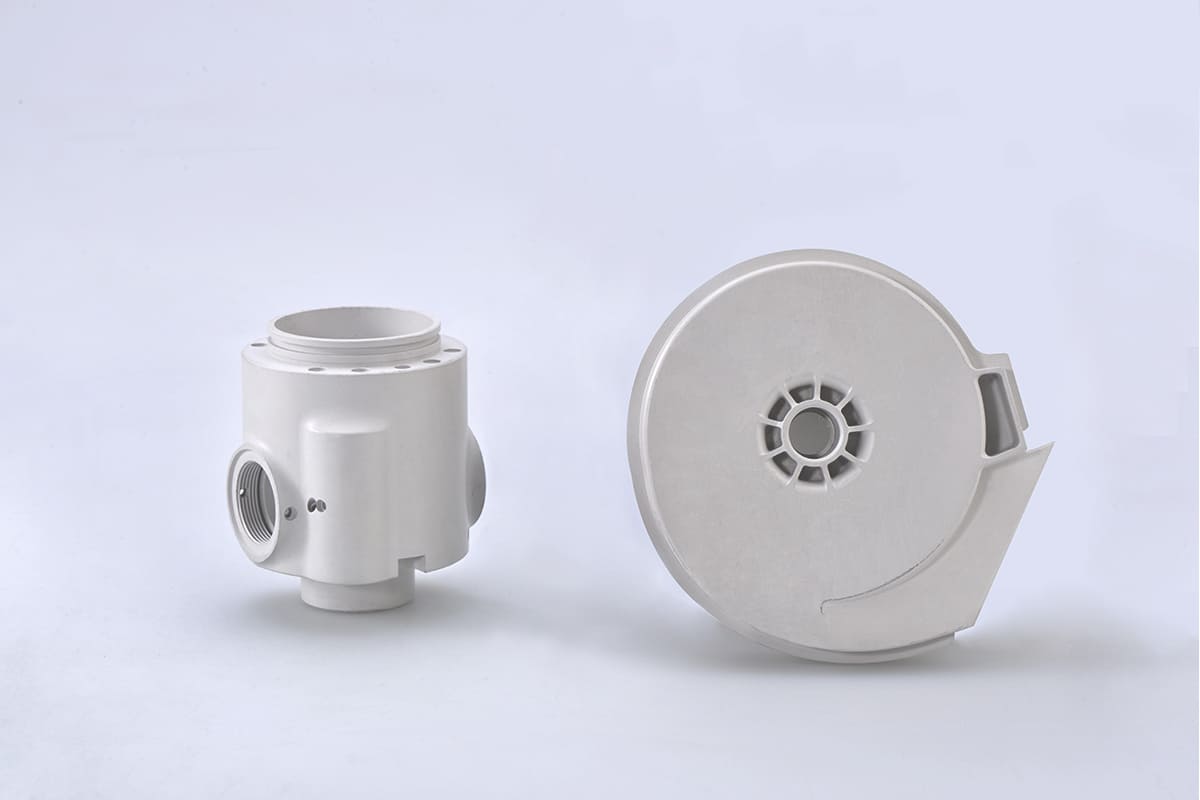
Why expertise matters: credentials and a real-world anchor
Technical chops aren’t a sticker on a brochure. You want suppliers who can read prints, recommend tolerances, and test-run that slice of geometry without guessing. I’ve audited shops serving the automotive suppliers around Detroit — they run strict PPAPs, SPC charts, and first-article inspections because a tiny mismatch there costs millions downstream. When you evaluate vendors, look for traceable inspection reports and machine lists, and talk to vendors who specifically call themselves a custom plastic parts manufacturer — that nomenclature usually signals a focus on molded polymer tolerancing, not a general job shop that “does plastics.”
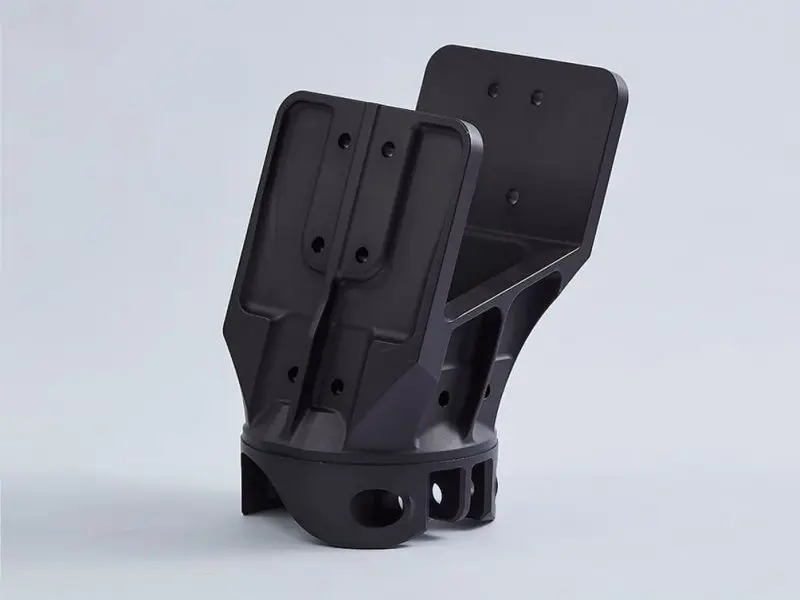
Clear checklist: what to verify before you buy
Don’t get cute. Ask these straight questions and get straight answers: 1) Can you hold the tolerance I specified, and show measurement reports from a similar job? 2) What inspection equipment do you use (CMM, optical comparator, calipers)? 3) Who will run my first article and what’s the acceptance protocol? 4) What finishes and post-processes are standard? 5) What are realistic lead times for tooling vs production? If the supplier dodges any of those, move on.
Common pitfalls buyers keep repeating
Buyers often assume “tight tolerance” means the same on all designs. It doesn’t. Thin walls, deep ribs, and long unsupported bosses cause warpage. Choosing the wrong resin for environmental exposure wrecks parts in months, not years. Don’t accept a broad tolerance blanket; specify critical dimensions and let the vendor quote others. Also: failing to plan for gate location, venting, and draft angles is the single biggest cause of late changes.
Alternatives and when each makes sense
Injection molding: best for consistent volumes and surface finish. CNC machining: ideal for metals or low-count precision parts with features unsuitable for molding. 3D printing: fast for complex geometry and rapid iteration, but check material properties and surface finish limits. If you expect tight cosmetic requirements and high repeatability, injection molding usually wins. If your run is handfuls and geometry is tough to mold, machine or additive might save you headaches.
How to validate a supplier during R&D and pilot stages
Run a pilot: small production batch with documented inspection. Require a capability study for each critical feature. Get a signed FAI (first article inspection) with actual measured values. If the supplier offers finite-element molding simulation or gate-flow analysis, that’s bonus competence — but confirm they correlate the simulation to physical trials. Ask for a corrective action plan template so you know how they handle defects.
Final takeaway — what actually delivers value
Good buying isn’t about the lowest number. It’s about predictable outcomes: parts that meet dimensions, finish, and lifecycle needs without surprise rework. You’ll spot reliable partners by their questions, their measurement records, and their willingness to own the problem. For many buyers that balance of engineering support, consistent tooling, and production discipline is exactly what a specialist like Hanstar aims to provide — steady and practical, not flashy promises.