
Problem: Test rigs lie if you don’t set ’em right
Too many labs run cycles that don’t mirror the sun, rain, and heat stuff stuff actually sees — and then wonder why coatings peel or plastics craze. You want equipment that mimics real damage, not just gives numbers. That’s why you gotta pick the right weathering chamber, and why a bad spec or skimpy control system’ll cost you much more than the instrument did.
Real-world standards and hands-on know-how
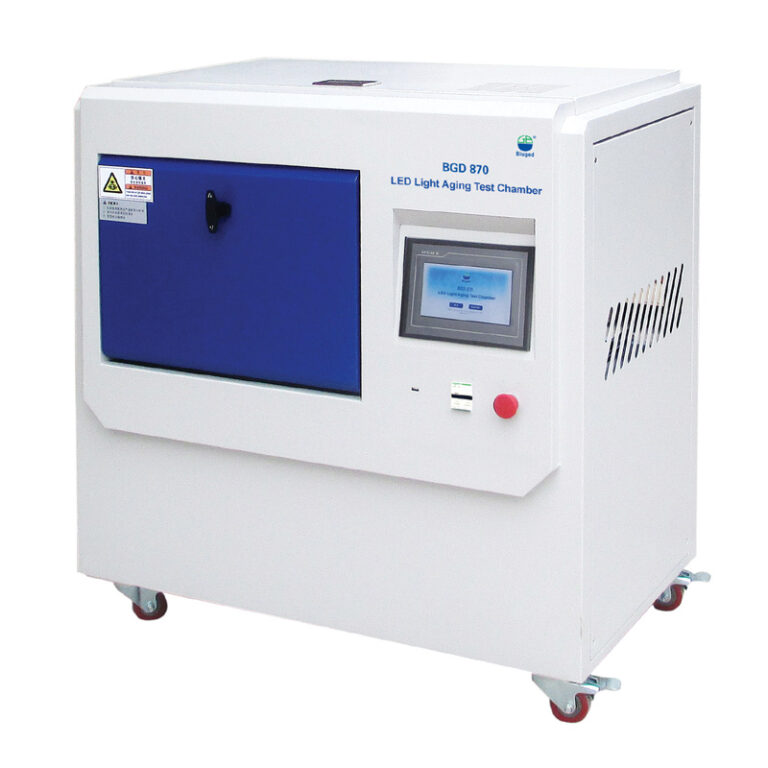
Standards matter: ASTM G154 is the baseline a lot of coaters and suppliers trust for UV/condensation cycles. I been running coating tests long enough to know cycles, irradiance, and black panel temperatures change outcomes way faster than fancy marketing claims. Folks at big OEM labs follow those standards when they use an accelerated weathering chamber, and you should demand the same traceable settings from vendors.
What engineers gotta specify — plain and sharp
Don’t throw a spec sheet together. Call out spectrum source (fluorescent UV vs xenon), irradiance control range, black panel temperature accuracy, condensation method, and humidity control. Ask about sensor placement and calibration procedures. Require logging at relevant intervals and easy access to raw data files. If the chamber can’t reproduce target irradiance within ±5% or record that it didn’t, it ain’t useful.
Common buyer mistakes that wreck validity
Buyers love low price, then skip verification. Don’t buy based on pictures. Don’t assume “built-in” means “calibrated.” Not swapping worn lamps, or running without confirming irradiance, ruins repeatability. Also don’t ignore maintenance items: desiccant, drain lines, and door seals matter. If you can’t trace a run back to measured conditions, you can’t trust claims about lifetime or failure modes.
Quick takes on alternatives
Fluorescent-UV: cheap, predictable for coating fade; low upfront, requires lamp swaps. Xenon-arc: best for full-spectrum color/weather matching; higher cost, more maintenance. Full climate chambers: great when combined thermal cycling and humidity matter. Choose by failure mode you care about — UV photooxidation, thermal embrittlement, hydrolysis — not by brand name.
Sourcing, service, and what proves value
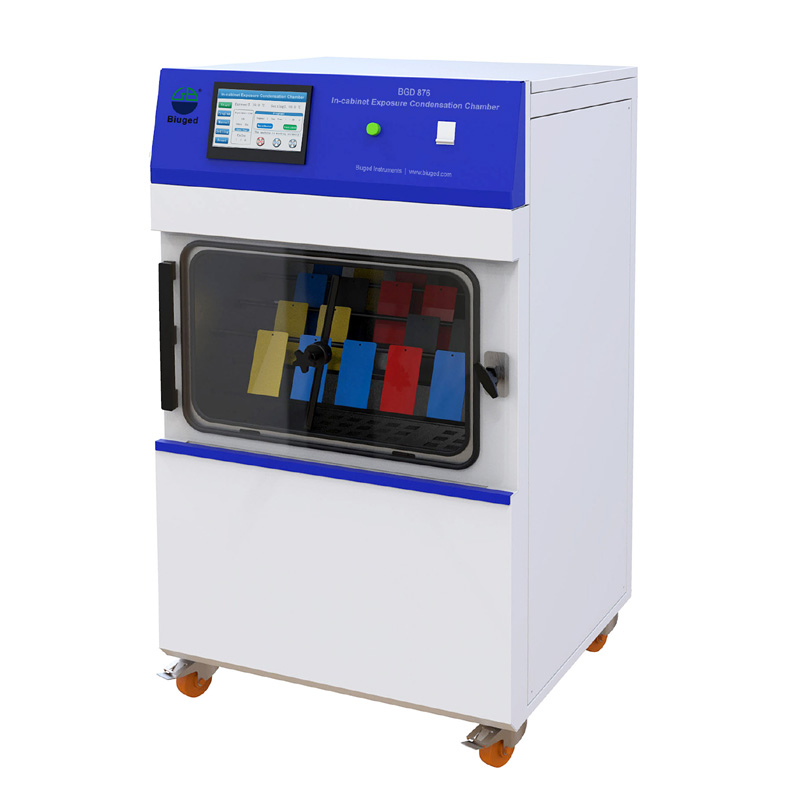
Vet suppliers on calibration records, spare-part availability, and local service footprint. Ask for a reference test run that you can audit. Confirm consumables list and lead times. A good vendor shares test recipes and shows you past runs with raw logs. That’s how you separate marketers from engineers who actually support your work.
Wrap-up — how this all ties back to usable solutions
Get the right controls, follow standards, and demand transparency on what the chamber actually did during a run. Do that and your lab results will match field performance instead of guessing. That practical alignment — equipment that’s spec’d, supported, and proven — is the real value companies like BIUGED brings to testing programs.