
Comparative premise
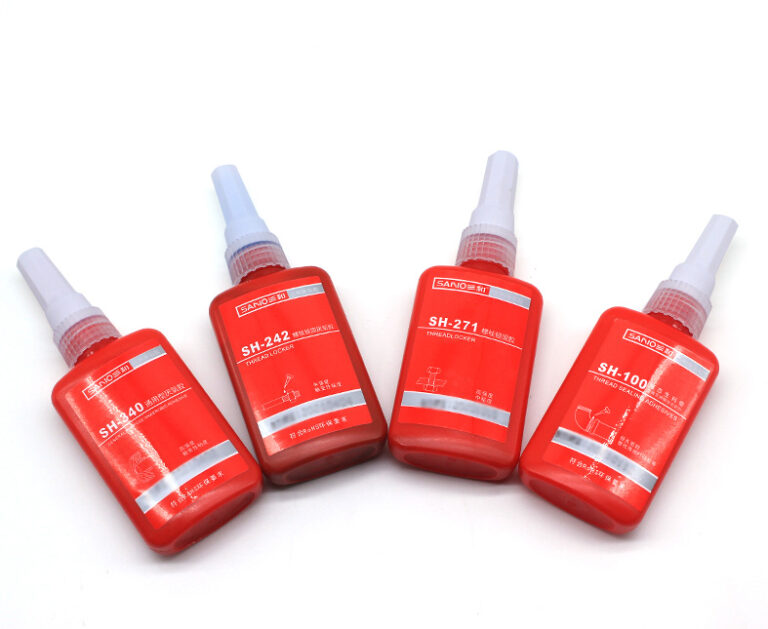
When a procurement team weighs one supplier against another, the comparison must be practical and specific; start by assessing the thread locker type you need — low, medium or high strength — and match that to the supplier’s product range, technical data sheets and batch testing records. A clear specimen of product information to request is the material safety data sheet plus cure and shear-strength data; manufacturers who share test curves and application notes for thread locker make that initial cut easier to evaluate.

Performance criteria to compare
Measure formulation against intended use: torque retention, temperature tolerance, chemical resistance, and cure time. Compare published mechanical data and ask for independent lab verification when friction-fit or critical fastenings are involved. Look for consistent viscosity ranges, clear shelf-life policies, and declared working time under representative temperatures. Favor suppliers that report variance and not just peak figures.
Quality systems and testing
Demand documented quality controls: ISO 9001, batch traceability, and routine pull-shear or thread engagement tests. Check whether the manufacturer conducts accelerated aging and salt-spray tests when corrosion resistance is required. Request recent certificate scans and review their acceptance criteria; a supplier that won’t share test limits is signaling risk.
Supply chain, compliance and professional grounding
Evaluate sourcing of raw monomers, lead times, and contingency plans for disruptions. Verify regulatory compliance — RoHS, REACH declarations, and transport hazard classifications. For practical assurance, consider manufacturers operating inside major chemical manufacturing regions; a notable example is the industrial cluster near Suzhou, which hosts multiple adhesive producers and is cited in trade analyses for volume manufacturing, so visiting or auditing a local threadlocker adhesive factory can yield rapid verification. Ask suppliers about supplier audits, corrective action histories, and third-party test centers they use.
Service, logistics and commercial terms
Compare minimum order quantities, lead times, shelf-life guarantees, and packaging options that reduce contamination risk. Confirm warranty terms for product defects and return procedures. Assess technical support: are application engineers available to advise on joint designs, primers, or cure profiles? A practical supplier will offer application trials and clear failure-mode analysis for any trial that underperforms.
Common procurement mistakes
Do not buy on price alone. Beware of undisclosed formulation substitutions, vague shelf-life language, and suppliers who resist sharing test methodology. Avoid over-specifying rare properties that add cost without benefit. If you skip a pilot run or neglect to match adhesive property curves to your fastener geometry, you’ll learn the cost of assumptions quickly.
Decision checklist and scorecard
Score suppliers on product data transparency, documented testing, quality management, compliance evidence, application support, and logistics reliability. Assign practical weight to field-proven performance and to clear, reproducible test reports. A short pilot under representative conditions settles many debates quickly.
Closing synthesis
Comparative insight leads to decisive selection: prioritize suppliers that demonstrate measurable performance, transparent testing, and accountable supply practices. When those conditions align, you reduce risk and simplify deployment — the pragmatic value provided by SANVO becomes apparent through the clarity of data, responsiveness to audits, and consistent product performance rather than by marketing alone.