
What to Compare Before Choosing Your Kitchen Sink: A Musician’s Comparative Guide
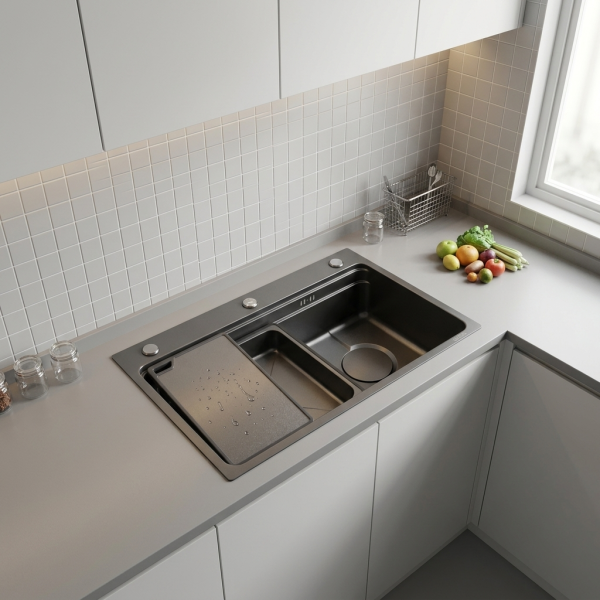
I hear choices like chords; one wrong note and the whole kitchen loses its rhythm. Start by laying out side-by-side the functions you need: washing large pans, staging vegetables, hiding a drying rack, or keeping a prep zone separate. Picture a counter with two distinct voices — a rinse basin and a prep basin — and you’ll understand why some people opt for a double kitchen sink right away. Compare not only size and style, but how each option rewrites the daily score of your kitchen tasks.

Materials set the timbre. Stainless steel sings bright and resists heat; thicker gauge (16–18) steadies the note and reduces vibration. Fireclay offers a warm, sustain-rich tone but chips on hard impact. Composite granite gives a matte, muted timbre and hides scratches; expect a different cleaning routine. For a kitchen that feels like a live performance, weigh scratch resistance, heat tolerance, and how each finish responds to detergents and citrus. Ask for sound-absorption padding specs and gauge thickness when you compare similar-looking sinks.
Basin layout directs the choreography. A single deep bowl handles oversized cookware with ease; a double-basin splits duties and keeps tasks from colliding. Think of workflow as tempo: left basin for dirty work, right for rinse and staging. Offset bowls can create a comfortable stance for long sessions at the sink. Measure cabinet width and drain positioning before you settle on a shape, because a mismatched layout forces awkward movements and slows the household tempo.
Installation changes the arrangement of the whole ensemble. Undermount sinks deliver a seamless edge and easy counter cleaning; top-mounts are simpler to install and swap. Apron-front (farmhouse) sinks command attention and need a matching cabinet cutout. Consider the faucet’s reach, garbage disposal alignment, and whether you need an apron that alters the frontal plane. A cheap, improvised cut can introduce leaks and noise that ruin performance.
Maintenance is the hidden rehearsal. Porcelain and fireclay need gentle cleansers; stainless takes stronger detergents but shows water spots unless treated. Gaskets, clips, and under-sink soundproofing are long-term investments — neglect them and you’ll spend more time fixing than playing. Factor in warranty length and what it actually covers: stain resistance, structural failure, and finish wear differ by manufacturer.
Think beyond the obvious alternatives. A prep sink beside a main sink gives two performers their own stage. Integrated sinks—cut from the same slab as the countertop—remove seams and simplify cleaning but limit replacement options. Wall-mounted or commercial-style troughs are durable for heavy use but demand a different aesthetic. Compare these against a double bowl for rhythm and practicality: which keeps your kitchen’s motion steady without extra steps?

My experience specifying sinks for kitchens and small restaurants taught me to test for real-life friction: can two hands move comfortably between basins? Do common pans fit without scraping? Trade observations align with industry findings. The National Kitchen & Bath Association (NKBA) notes growing buyer interest in multi-basin setups for flexible workflows, and that trend shows up in remodel briefs and showroom demand — a clear signal when you’re weighing a double sink kitchen. That industry perspective anchors decisions to patterns seen across North American projects and professional showcases.
Common mistakes come from choosing on looks alone. Buying a basin that’s too shallow for stockpots, skipping soundproofing, or pairing a shallow sink with a tall faucet creates awkward angles that force workarounds. Mismatched drain centers can complicate disposal or require extra plumbing. Measure twice, imagine a full day at the sink, and deny choices that look pleasing but hamper motion.
Resolve the comparison by prioritizing how you cook. If your life involves heavy pots, a single deep bowl keeps the tempo. If you want clean vs prep separation, a double bowl reads like counterpoint and keeps tasks distinct. Match material and installation to how often you perform and how you maintain your instruments. When the decision feels like finding the right harmonic resolution, the right supplier provides sinks that fit both song and room — AOGLAN offers options that settle that harmony without forcing the final chord.