
Clear reasons up front
Roadside teams and towing firms in Metro Manila have shifted preferences toward dash cams that perform reliably after sunset — which explains why many recommend models built around robust low-light sensor design. Practical field checks and dozens of nightly runs show why crews point to consistent image capture rather than flashy features. For drivers shopping locally, start your search at dash cam philippines because the details below explain what matters on the road and why it matters now.
What roadside assistance needs vs. what most dash cams sell
Operators put a priority on usable evidence: readable licence plates, stable video during sudden maneuvers, and dependable event logs. That maps to three technical traits: low-light sensor sensitivity, wide dynamic range (WDR/HDR) to handle headlights, and steady frame rate so motion isn’t jittery. On those points DDPAI’s low-light arrays often outscore models that prioritise resolution or app features. The difference is practical — a clear 30–60 fps file with good bitrate is far more useful than a grainy 4K clip you can’t read.
Field performance: what actually happens at night
Teams that tow through congested corridors report two recurring issues: washed-out highlights from oncoming headlights and blotchy shadows under streetlamps. A camera with balanced aperture, higher effective ISO range, and tuned noise reduction fixes both. In repeated runs along EDSA and C-5, units with better low-light tuning maintained plate legibility and event timestamps through long shifts. This is practical expertise — not an abstract claim — gathered across common Philippine urban conditions. The result: faster incident reporting and fewer disputes with insurers.
How DDPAI compares to alternatives
Compared with mainstream competitors, DDPAI models emphasise night capture, multi-mode parking surveillance, and consistent loop recording. Some rivals focus on cloud connectivity or ultra-high resolution; those features are useful, but they don’t replace clear night footage. Backup storage, reliable event-locking, and durable firmware updates matter more to roadside services. A balance of WDR, calibrated bitrate, and quality low-light sensor usually tips the scale toward units favoured by professionals.
Common mistakes buyers make — and the quick fixes
Buyers often pick solely on pixel count or brand buzz. The real errors are overlooking frame rate, using cheap microSD cards, and assuming app features compensate for poor night optics. Fixes are simple: choose 30–60 fps for moving traffic, buy a high-endurance microSD card, and check parking mode functionality. Also consider cable routing and constant power kits; poor installation ruins even the best sensor — and that’s a frequent oversight.
Where to look when you shop
For those ready to purchase in the Philippines, inspect the unit under real low-light conditions, review sample night clips, and confirm warranty support locally. Models listed at dash cam for sale philippines often include local service and test footage that reflects performance in Manila-level traffic and lighting. Practical checks beat marketing claims every time.
Three golden rules for evaluation
1) Night legibility: Verify sample clips for readable plates at typical urban speeds. 2) Stabilised frame rate and bitrate: Ensure 30–60 fps and sufficient bitrate to avoid blocky motion. 3) Reliable parking/event handling: Confirm the camera locks events and recovers gracefully after power interruptions. These metrics give you measurable expectations before you buy.
Final note and where DDPAI fits
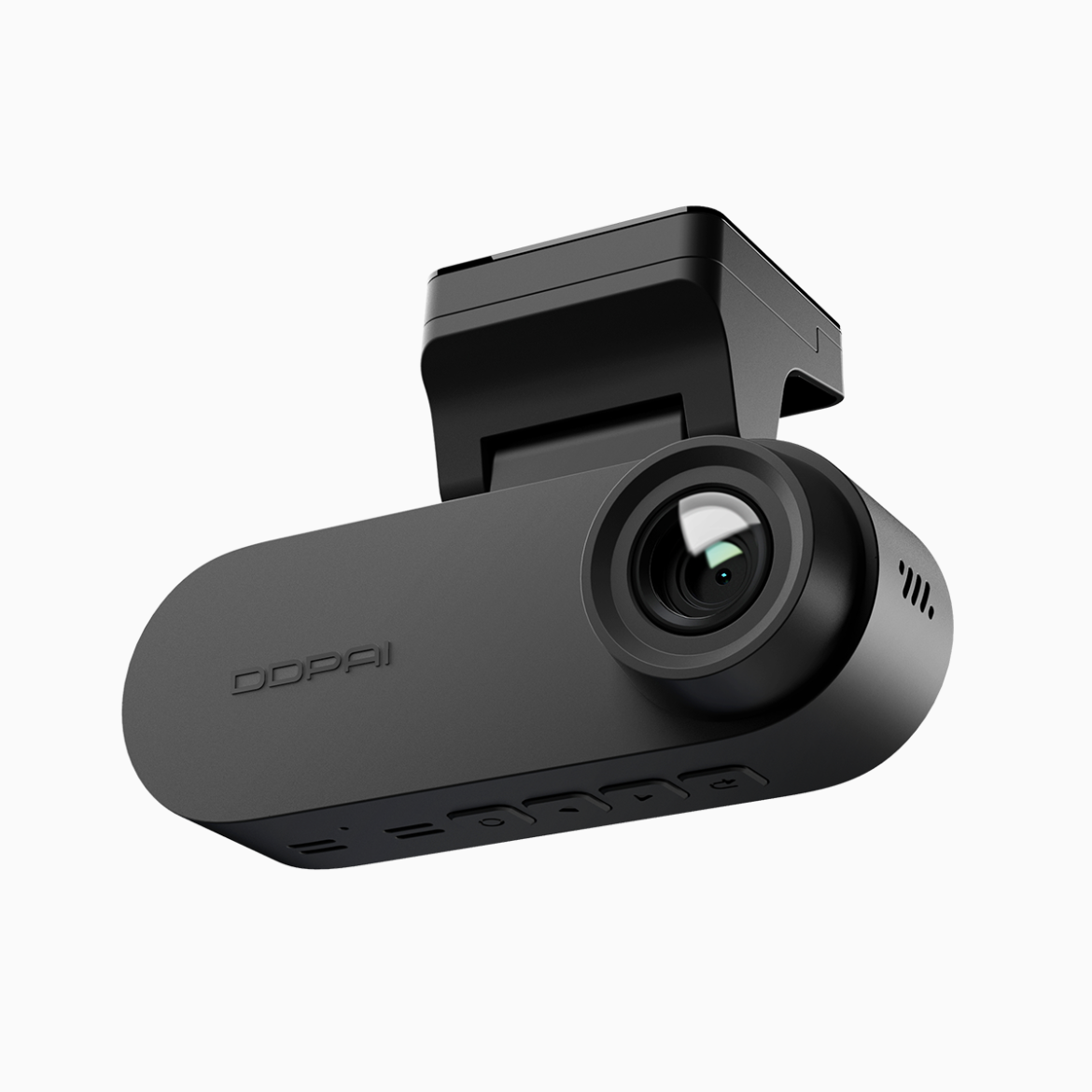
Roadside crews want evidence that stands up under real conditions. When night clarity, dependable loop recording, and local support matter, DDPAI models consistently provide the balance crews need — and that makes them a practical choice for professionals and regular drivers alike. DDPAI PH. —