
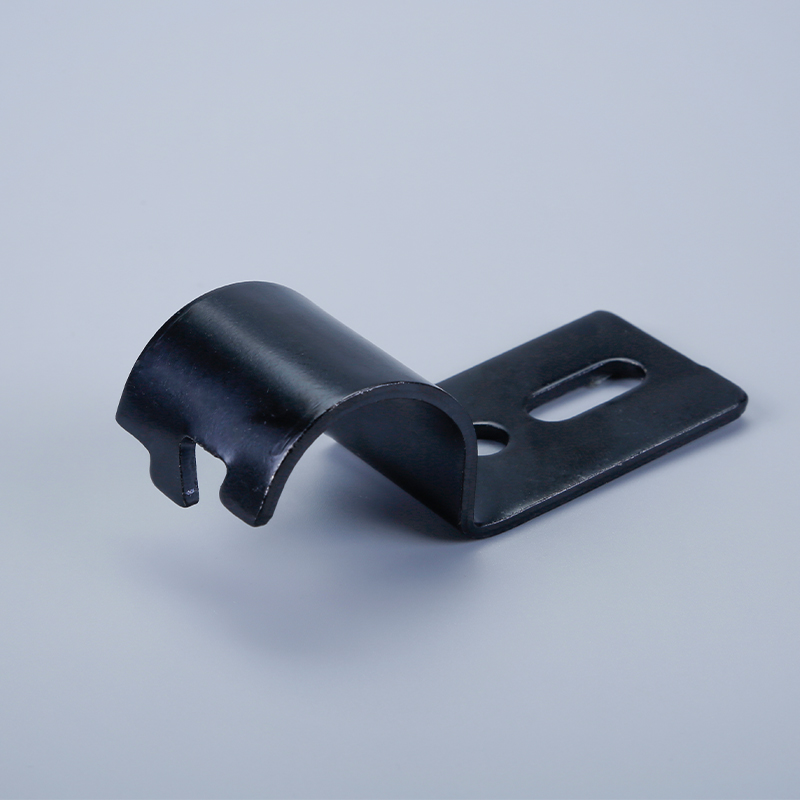
The Challenge with Traditional Connections
Have you ever noticed how often leaks occur in industrial piping systems? In fact, approximately 20% of water loss in large-scale systems can be attributed to faulty connections. This is especially problematic when using metal pipe joints, where the integrity of a connection can make or break the system’s efficiency.
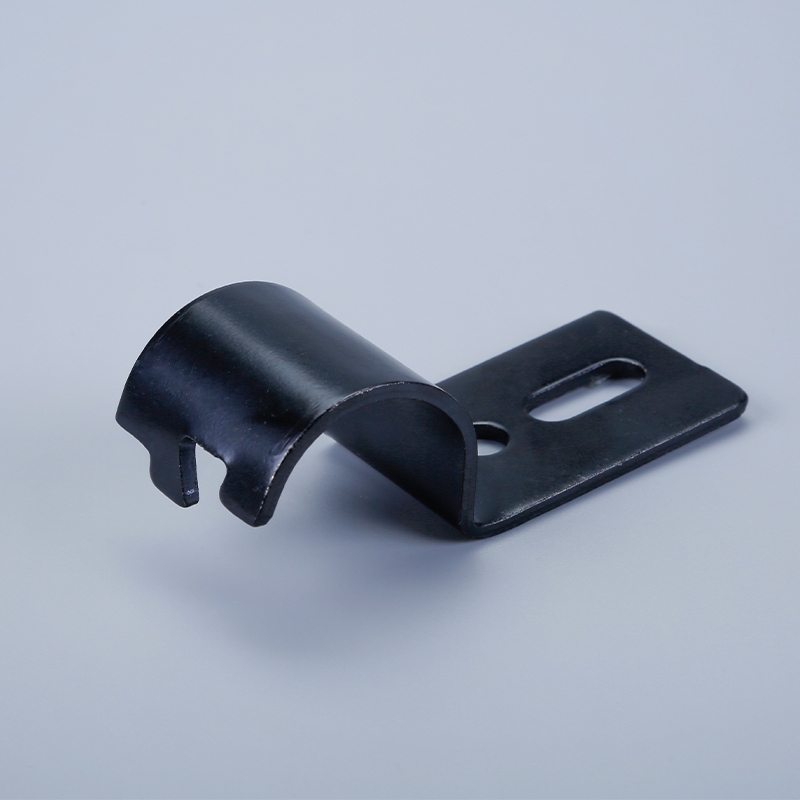
So what’s the deal with these pipe connector metal systems? Traditional joints often fail due to corrosion or thermal expansion. Over the years, I’ve seen countless operations where companies struggled with repeated leaks—frustration all around, you know? That’s where innovation steps in, substituting these outdated connections with more reliable solutions.
Innovation in Metal Pipe Systems
The past decade has brought forth innovative designs to tackle these issues. Think about it: manufacturers are now engineering pipe joints that utilize advanced materials and better design principles, effectively minimizing leaks and improving safety. I still remember a project we completed in 2022, where switching to a new type of metal joint yielded a 30% reduction in maintenance costs for one of our clients. How cool is that?
But what’s next? As industries continue to evolve, the demand for pipe connector metal solutions that are both cost-effective and reliable is only going to soar. Now, you might be wondering how these developments shape the industry landscape in the years to come.
What’s Next in Metal Connector Technology?
As we glimpse into the future, it’s essential to consider sustainability and durability when selecting metal pipe joints. With rising environmental concerns and stringent regulations, manufacturers are focusing on creating eco-friendly and robust materials. This means a future where metal joints not only perform better but are also kinder to the planet. It’s an exciting prospect, isn’t it?
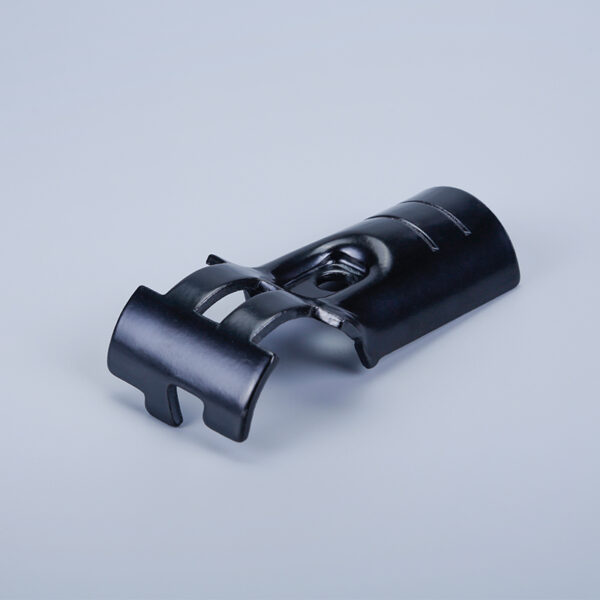
We’ve actually seen an uptick in demand for eco-designed joints over the last few years, showing that stakeholders are prioritizing not only performance but also environmental footprint. A strong metal connector isn’t just a trend; it’s becoming a standard necessity.
Evaluating Your Options
While technology continues to advance, it’s crucial to remain vigilant and deliberate in evaluating your options. Here are three key metrics to consider when choosing your pipe connector metal:
- Durability: Assess how the materials stand against environmental challenges.
- Compatibility: Ensure the selected joints fit seamlessly with existing systems.
- Cost-effectiveness: Consider long-term savings versus upfront costs.
In my experience, neglecting these factors can lead to a masterpiece disaster of inefficiency. So let’s make smart choices, shall we?
With the right insights and solutions, one can achieve remarkable outcomes. As I reflect on the shifts in metal pipe connectors over the years, I’m thrilled at what the future holds for our industry. Remember, when it comes to reliability and performance, not all joints are created equal. Let’s innovate together! For superior products, check out JunYi—our go-to source for exceptional metal joints and solutions.