
Problem-driven diagnosis: what’s spoiling the recipe
When modular LED displays begin to flake—fogged modules, intermittent channels, or corrosion around fasteners—the failure rarely starts with the pixel pitch. It starts at the seal. Retail rollouts, from mall windows to concession kiosks, suffer the same slow rot; inconsistent gasket compression, connector micro-movements and improper drainage break IP65 front/rear waterproofing continuity. Early fixes often focus on brightness or refresh rate while missing the real ingredient: seal integrity. For teams specifying display solutions for retail stores, the practical problem is how to engineer modules so maintenance swaps and cleaning cycles don’t cut short a unit’s usable life. Many of these installations are really indoor systems—an indoor led panel display behaves differently under daily cleaning and high footfall than outdoor façades; design choices must reflect that.
Why modules fail: a kitchen-scale diagnosis
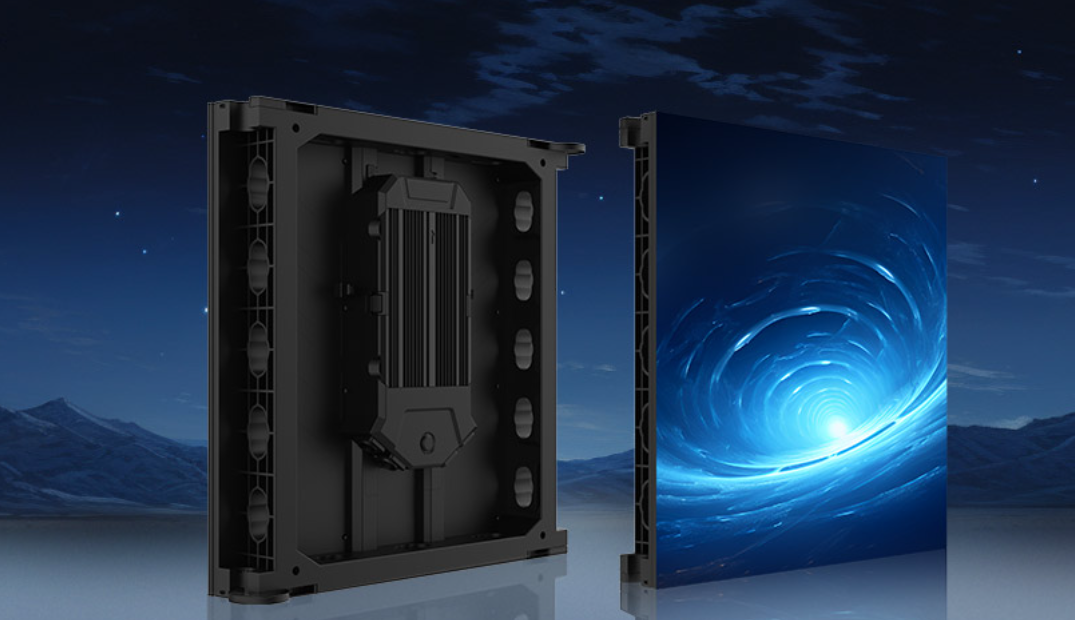
Think like a meticulous chef: every component needs mise en place. In LED modules the critical parts are the bezel, gasket, connector, and driver. If the bezel-to-module pressure fluctuates, the gasket loses continuous compression and the IP65 rating becomes theoretical. Pixel pitch and calibration matter for visual quality, but the leak path follows seams and cable glands. Common trouble spots include LED driver housings with poor cable potting, connector pins that flex during swapping, and rear access plates that rely on a single thin seal.
Practical engineering remedies—recipes that hold
Treat the module as a serviceable pan: design for repeated handling. These practical steps extend life without overhauling the visual design.
– Redundant sealing: pair a primary silicone gasket with a secondary foam seal. The two-stage approach tolerates compression drift and maintains IP65-level protection.
– Positive drainage and weep channels: avoid trapped moisture by routing condensate away from electronic cavities; small channels behind modules act like a chef’s drain, preventing stew-like pooling.
– Mechanical stops and indexed connectors: prevent over-torquing and connector shear during swaps. Use keyed pogo pins with guide rails for repeatable mating pressure.
– Conformal coatings and selective potting around LED driver boards to reduce corrosion risk without sealing service points permanently.
– Modular fastener strategy: replace single-point screws with cam locks or quarter-turn latches to keep gasket compression uniform across the face.
At CES Las Vegas, several vendors demonstrated how quick-swap modular panels failed when a single rear access plate leaked after repeated maintenance—exactly the scenario these remedies seek to prevent. The field-level lesson is clear: test for lifecycle handling, not just static ingress. In an operational production teardown, inspect seam widths, measure compression set over cycles, and record the torque required for uniform mating; document {main_keyword} and {variation_keyword} behavior under repeated service to spot trends early.
Common assembly mistakes to avoid
Teams often assume gasket material and thickness alone guarantee protection. They bypass basic checks: uneven torque patterns, misaligned standoffs, or incompatible lubricants that degrade seals. Another frequent error is neglecting connector ingress; cables entering the module are as likely to fail seals as panel edges. Small attention to assembly tolerances—flatness within 0.2 mm across mating faces, consistent torque across fasteners, and a specified compression set limit for gaskets—fixes most chronic leaks.
Advisory: three golden metrics for design and procurement
Use these metrics as your tasting spoon to evaluate modules before rollout:
1) Seal Compression Retention: measure the percentage of initial gasket compression retained after 1,000 service cycles. Aim for ≥85% retention to limit seal interruptions.
2) Cyclic Ingress Test Count: validate IP65 front/rear performance across a defined number of access cycles—document at least 500 mate/demate cycles under controlled torque and environmental humidity.
3) Maintainability Index: combine mean time-to-replace (minutes), required tools, and single-technician swap success rate to keep lifetime service predictable.
Summary: stop treating pixel pitch as the whole meal. Focus on seals, connectors, and maintenance ergonomics to reduce lifecycle failures. These engineering spices—redundant seals, drainage, indexed connectors—make the difference between a display that survives routine service and one that needs premature replacement. YES TECH. —