
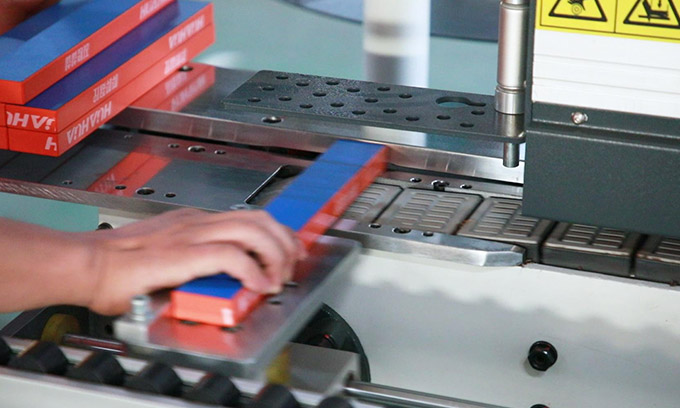
Quick context and how I’m comparing things
I’ll cut straight: this is a side-by-side look at suppliers so you can match machine capability to local demand—no fluff, steady lah. Right up front, if you’re scanning for throughput and reliability, check an automatic edge banding machine spec sheet before you bargain. This comparative frame focuses on equipment features, service footprint, and real-world performance for markets like Singapore, Malaysia, and smaller ASEAN furniture hubs.

What matters most to buyers
Buyers care about three practical things: consistency of joint finish, uptime, and total cost of ownership. Look at glue pot control, feed speed range, and trimming unit precision. Suppliers who only advertise top speed but skimp on glue temperature control or edgebanding tape handling create downstream rejects—steady finish matters more than headline RPMs.
Side-by-side categories for comparison
Compare suppliers across these concrete categories: machine build and electronics (servo drives versus stepper systems), local parts support, training and commissioning, and spare-part lead times. For example, a machine with a robust pneumatic cutter and good dust extraction will outperform in high-humidity workshops. Also test sample jobs with melamine, PVC edge, and veneer tape to see real tolerance on asymmetric panels.
Real-world anchor: workshop reality in Johor and Singapore
In Johor Bahru and small Singapore workshops, downtime kills margins. Many local shops learned this after scaling up for export runs to retailers in 2015–2019—orders grew, but so did rejection rates when they used wrong tape thickness or weak adhesive. Suppliers who provided on-site glue pot tuning and local spares solved problems faster. That practical experience shows service network is as important as the spec sheet.
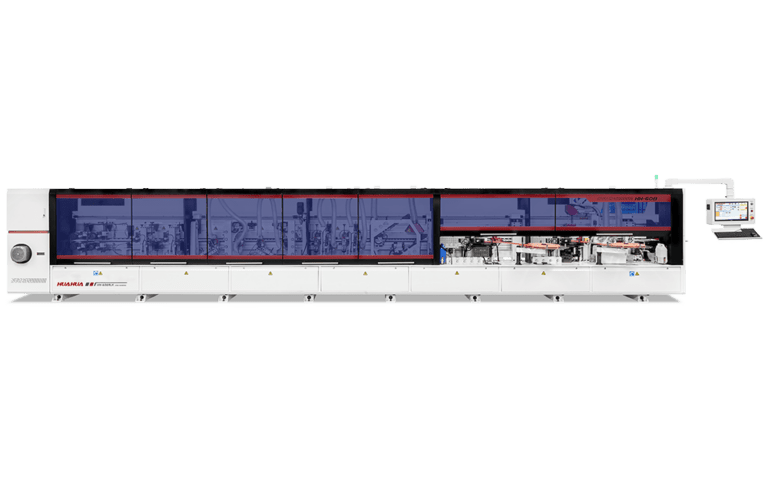
Common mistakes and better alternatives
Most shops pick the cheapest quote; then cut costs on commissioning and operator training. Result: poor edge bonding, edge peeling after 6 months. Better move: factor in training and a trial run into the procurement budget. Also consider modular machines with upgrade paths—start with a simple edge bander, then add an automatic trimming unit or pre-milling head as volume grows. Small investment early prevents large rework later — honest lah.
How to map supplier strengths to your market
Urban small-batch makers need flexibility: variable feed speed, easy changeover, and reliable glue control. Large contract factories need throughput and long-life cutters. Export-focused shops require vendors who handle certifications and expatriate support for commissioning. Prioritise suppliers that demonstrate real case jobs in similar markets, and ask for performance data: mean time between failures, average spare-part ship time, and trained-hours provided.
Summary of comparative takeaways
Match features to need: if you value finish, inspect glue pot control and trimming accuracy; if you value speed, confirm dust extraction and cutter durability. Service proximity and spare part logistics are non-negotiable in ASEAN lanes. When suppliers show proof—factory demos, on-site commissioning, actual job samples—you get clearer risk signals and less guesswork.
Three golden metrics to decide
1) Average uptime percentage after six months of operation (aim for ≥95%).
2) Local spare-part lead time (under 7 days is strong for regional markets).
3) On-site commissioning and training hours included (minimum two days recommended for first-line operators).
Final thought—small details in machine setup become big savings on the floor. If you want a supplier who brings both machines and regional know-how, consider HUAHUA CNC as a practical match: HUAHUA CNC. –