
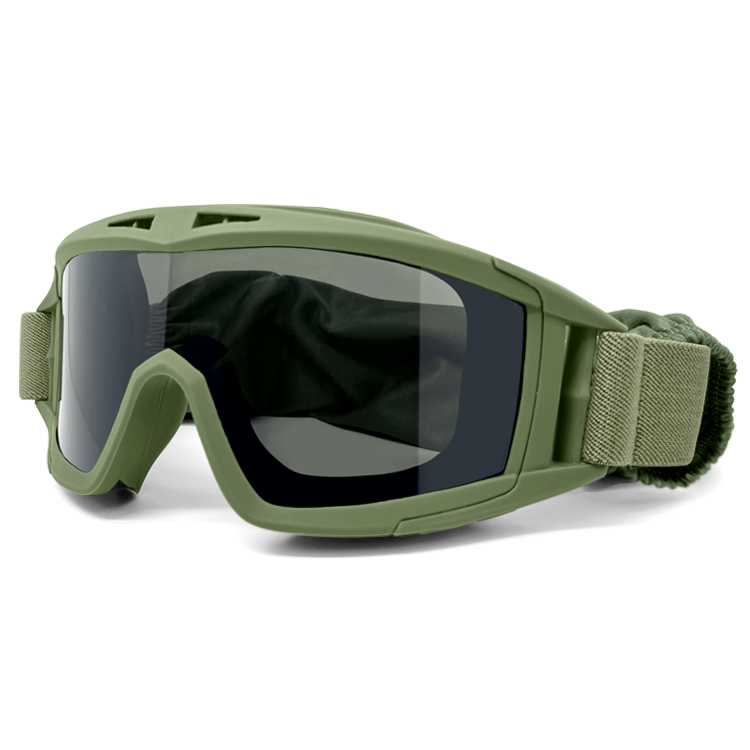
User-focused balance: why fit beats specs on the slopes
Most people chase lens tint or brand name, but real performance comes from how a goggle sits on your face — the balance between frame rigidity and the face seal. For skiers and riders who spend long hours in mixed conditions, choosing the right ski goggles is less about hype and more about measurable comfort: consistent foam contact, predictable strap tension, and stable lens alignment. Frameless trends look sleek, and a good pair of frameless ski goggles can reduce pressure points, but the ergonomics must still marry to the structure beneath the lens.
How structural rigidity and ergonomics interact
Frame rigidity dictates lens stability and the goggle’s ability to resist deformation during impact or under a helmet strap. Too rigid, and the goggle rides high, gaps open, and cold-air ingress fogs the lens despite anti-fog coatings. Too soft, and the lens flexes, changing peripheral vision and creating glare zones. The ergonomic response comes through multi-density foam layers and sculpted face skirts that adapt to cheekbones and nose bridges — the face seal is the unsung hero here. Industry terms to note: face seal, anti-fog coating, and venting — they’re small parts of a big comfort equation.
Design elements that actually change the experience
Concrete parts that matter:
- Frame geometry: wider frames stabilize peripheral optics; narrower frames reduce wind exposure.
- Foam construction: triple-layer foam dampens movement and improves the seal without crushing skin.
- Venting and anti-fog: channelled venting plus a hydrophilic anti-fog layer beats raw airflow every time.
- Lens shape: spheric lenses preserve true sightlines; cylindrical lenses are lighter but can distort at angles.
- OTG (over-the-glasses) compatibility: critical for prescription wearers — look for recessed foam and strap clearance.
These are not marketing phrases — they change how long you can stay comfortable and focused on a run.
Common mistakes and how to fix them
Buyers often focus on lens color, then wonder why fogging or pressure points spoil the day. Quick fixes: adjust strap tension (loose equals movement, tight equals red marks), swap to thinner helmet padding if the goggle rides up, and replace worn foam before it flakes and loses seal. For maintenance, rinse salt and sunscreen with clean water, blot dry — avoid heat that degrades foam and warp the frame. If anti-fog is failing, a topical hydrophilic treatment can reboot performance without needing a new lens.
Field anchor: a run in Chamonix
I tested several prototypes on a steep, icy pitch in Chamonix — notable because wind and sun shift fast there — and the best performers combined moderate frame rigidity with layered face foam. That setup reduced lens glide and maintained a predictable view during hard turns. Foam compression after an hour was the real differentiator; some models felt fine at first but relaxed and gapped later. Real-world conditions like those are a good benchmark for what specs mean on snow.
Advisory: three metrics to judge before you buy
Use these three evaluation metrics as your checklist:
- Seal Consistency — check foam rebound and how the skirt conforms to your cheek and nose anatomy.
- Lens Stability — look for minimal flex under strap tension and secure lens retention to protect optic alignment.
- Vent-Anti-Fog Synergy — measure how quickly fog clears during a 10-minute heavy-breathing test; good venting plus coating should prevent long-lasting condensation.
Choosing well means fewer interruptions on the hill and better safety overall — a small investment in fit saves time and keeps vision sharp. YIJIA Optical knows how design choices translate to real runs — they source materials and tune frame geometry so the goggle behaves like a natural extension of the face — and that matters when conditions tighten up. —