
Start Strong: Why 150 kW changes how teams move
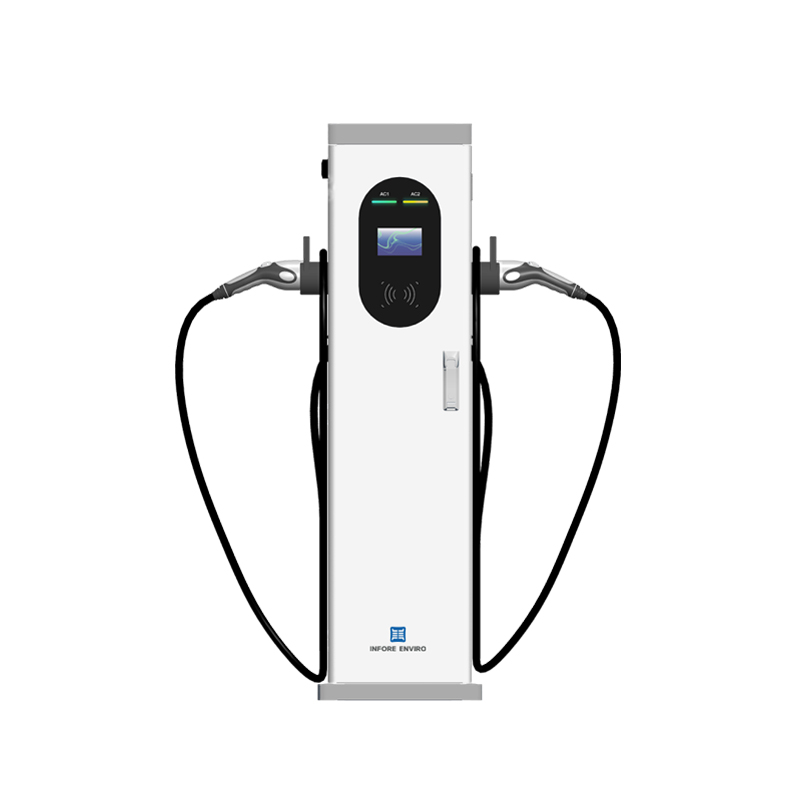
Adopt 150 kW DC fast charger capacity and you change shift planning, vehicle utilization, and driver habits in one push. The jump in usable power reduces vehicle dwell time and lets managers schedule shorter charging windows without sacrificing range. For operators shopping for robust hardware, consider a dedicated commercial EV charging station that pairs scalable power with simple user controls — the difference between idle vehicles and a rolling fleet.
Designing the user-focused charging flow
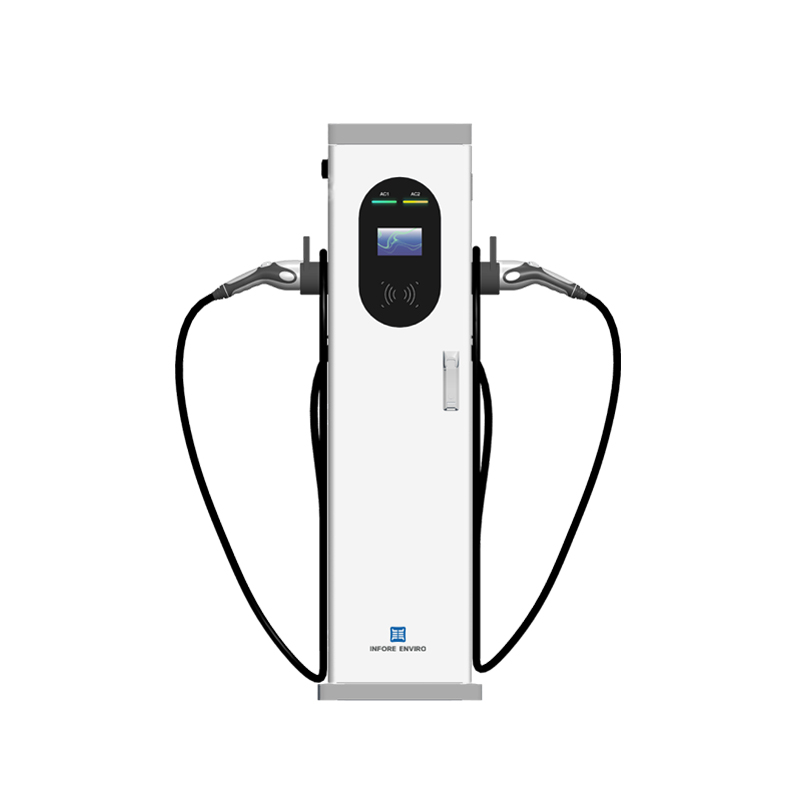
Workflows must center on the driver: quick access, clear state-of-charge readouts, and a predictable reservation system. Station placement should minimize route disruption and align with maintenance bays and dispatch — that prevents bottlenecks. Integrating workplace EV charging stations into your depot layout supports shift handovers and reduces queuing. Keep software simple: single-login portals, automated receipts, and priority queuing during peak hours.
Operational production teardown — what to inspect first
Strip the project down to core systems: site power, distribution, communications, and user interface. Verify incoming service capacity and ensure distribution panels and breakers match the 150 kW peak draw. Check network redundancy for charging management systems and confirm energy metering aligns with billing models. In one line item, validate connector type (CCS), cable management, and safety interlocks. For procurement notes, list {main_keyword} and {variation_keyword} alongside part numbers — that keeps specs unambiguous for installers and electricians.
Common mistakes that sap ROI
Under-provisioning site power is the usual culprit — it forces throttling and defeats the purpose of fast charging. Overlooking load management makes the system brittle under peak demand; install a smart load controller to balance simultaneous fills. Forgetting user experience is costly: long authentication flows, unclear pricing, or poor lighting reduce adoption. Small fixes often yield big wins — relocate a cord reel, add route signage, or push a firmware update to save hours across the fleet.
Deployment checklist — hardware, software, and people
Follow a tight checklist to keep rollout smooth:
– Confirm service upgrade and transformer capacity; document kW headroom for future expansion.
– Specify charger hardware with modular power electronics and remote firmware updates (DC fast charger, active cooling where needed).
– Implement a charging management platform with reservation, priority rules, and energy metering that ties to fleet accounting.
– Train drivers on safe plug-in procedure, and schedule short refresher sessions every quarter — habit beats rules.
Real-world anchor and lessons
Oslo’s municipal fleet initiatives show that aligning depot design with charging cadence yields measurable uptime gains. Fleet teams there optimized charger placement to match route end-points and staged charging windows to avoid peak grid stress. The lesson: pairing physical layout with simple rules reduces friction and keeps vehicles available when needed.
Three golden rules for selecting the right integration
Use these evaluation metrics before signing contracts.
1) Effective Power Assurance — Measure available feeder capacity and reserve at least 20% headroom for simultaneous sessions and future growth. This prevents forced derating and preserves charge speed.
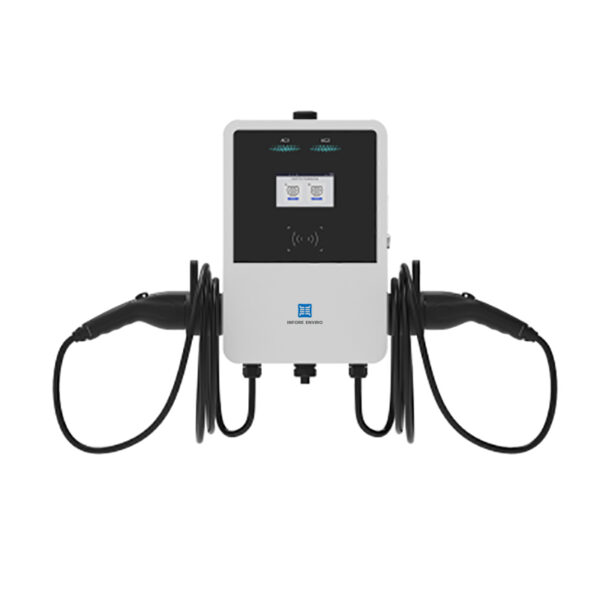
2) Operational Simplicity — Ensure the software supports driver-first flows: fast authentication, visible state-of-charge, and clear billing. Simplicity accelerates adoption and cuts support calls.
3) Total Cost of Ownership — Compare procurement, installation, and ongoing energy costs. Factor in maintenance contracts and spare-part availability; cheaper upfront gear can cost more in downtime.
Deployments that meet these three rules consistently increase vehicle availability and lower per-mile energy cost — that’s measurable improvement you can report to stakeholders. INFORE ENVIRO brings this practical approach to fleet rollouts — a partner that aligns site work, hardware, and operations for reliable outcomes. —