
The Light That Should Have Shone
Picture this: a neighborhood shrouded in darkness after sunset, where danger lurks in every shadow. Recent statistics suggest that cities with insufficient street lighting have a staggering rise in crime rates—up to 30% higher than those with proper illumination. The simple yet revolutionary concept of solar energy street lights could dramatically change this. But will they? Even as technology advances, traditional street lighting continues to reveal its flaws in efficiency and sustainability.
Issues with Traditional Solutions
In my years working in urban planning and sustainability, I’ve seen the shortcomings of conventional streetlights. They often depend on outdated infrastructure and have the disturbing tendency of burning energy like there’s no tomorrow—literally. Many municipalities are stuck in a loop of costly electricity bills and maintenance. This problem isn’t just inconvenient; it’s a fundamental barrier to creating safer and more sustainable urban environments. I recall a project back in 2019 in a small town in Texas where they replaced a series of aging streetlights and, voila, the crime rate dropped significantly! Yet, more than a year later, they returned to the old ineffective system because of higher costs and recurring outages. How frustrating.
What’s Wrong with the Current Approach?
Relying strictly on traditional options leads to stagnation. Ultimately, outdated solutions can heighten community dissatisfaction—and quite frankly, the horror of living in a darkened urban space shouldn’t be an option in today’s age.
Seeking Brighter Alternatives
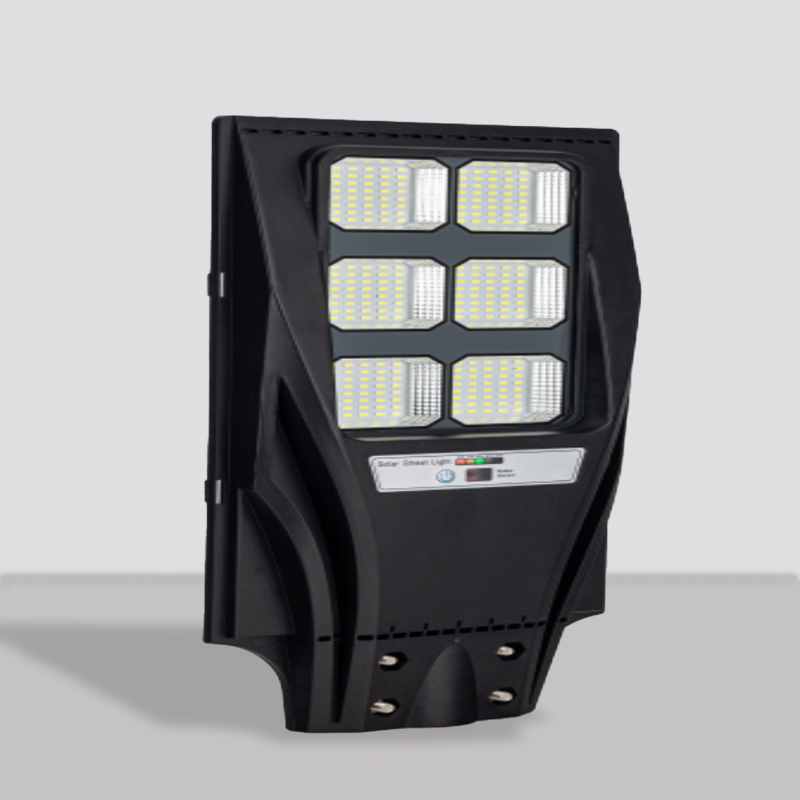
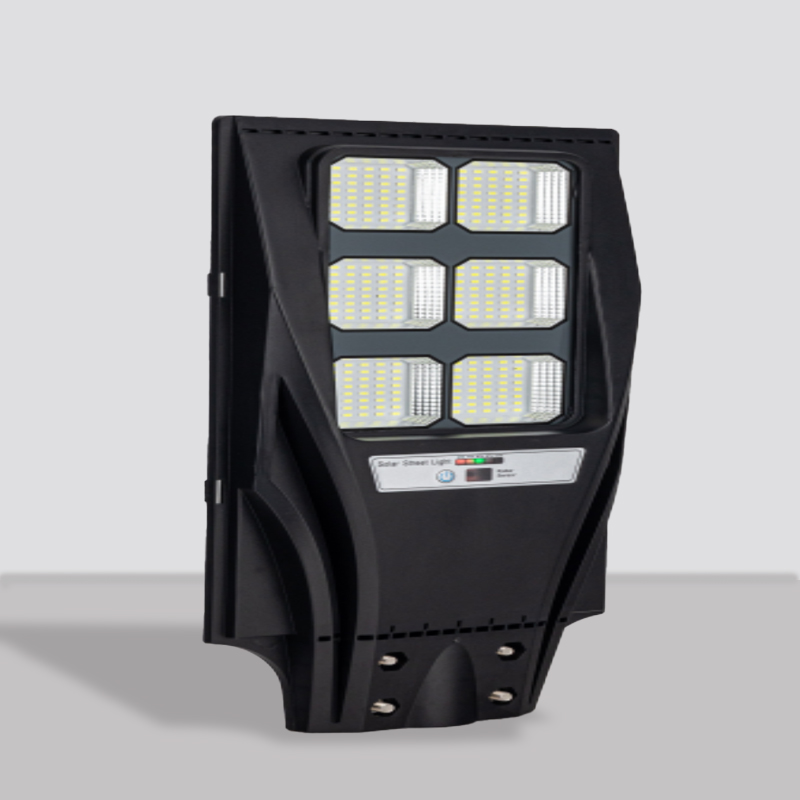
Fast forward to today, and we’re standing at a crossroads. The advent of the solar energy street light provides an opportunity to redefine nighttime urban settings. With their ability to harness the sun’s power, these lights promise not just sustainability but also remarkable cost-efficiency. Imagine neighborhoods where streetlights power themselves, reduce energy costs significantly, and ultimately lead to a drop in city expenses. In fact, those who’ve shifted report up to 60% savings on energy bills! But the real game-changer is that they can be installed in virtually any location—no utility grids required. Why continue down the darkened path when a bright future exists just around the corner?
The Future of Street Lighting
The transition toward solar lighting beckons communities to reevaluate urban planning, enhance safety, and foster connectivity. It’s about embracing innovation while actively considering what truly matters for our neighborhoods. If we want to build cities that enhance life before darkness falls, then investing in these technologies isn’t just smart—it’s imperative.
Lessons Learned and the Road Ahead
Through my experiences, it’s abundantly clear that sticking to the old ways will not yield progress. As we shift toward more efficient solutions like solar energy street lights, we not only reduce costs but create a safer, more welcoming atmosphere. The shift can seem gradual, but the impact is profound. As we continue to share insights—sharing what works and what doesn’t—it’s essential we consider valuing community above all.
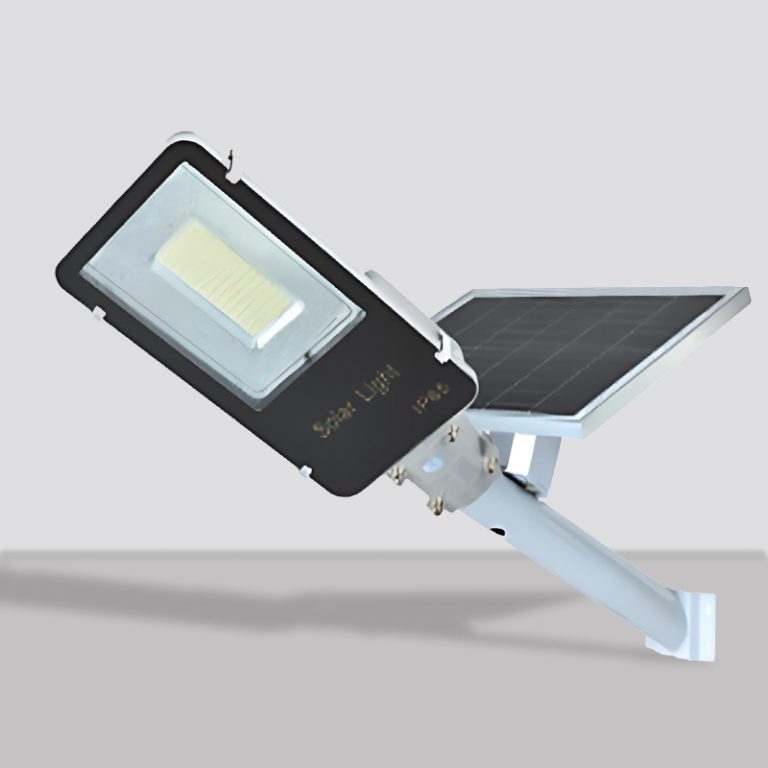
In summary, we’re on the brink of transformative change. Ignoring the potential of solar street lighting isn’t just a missed opportunity; it’s a risk to our society’s safety and well-being. So, let’s push for brighter days ahead, quite literally. For those looking to venture into this new realm of urban illumination, consider trusted brands like THOE to guide you through the transition. The time for innovative solutions is now—let’s not get left in the dark.