
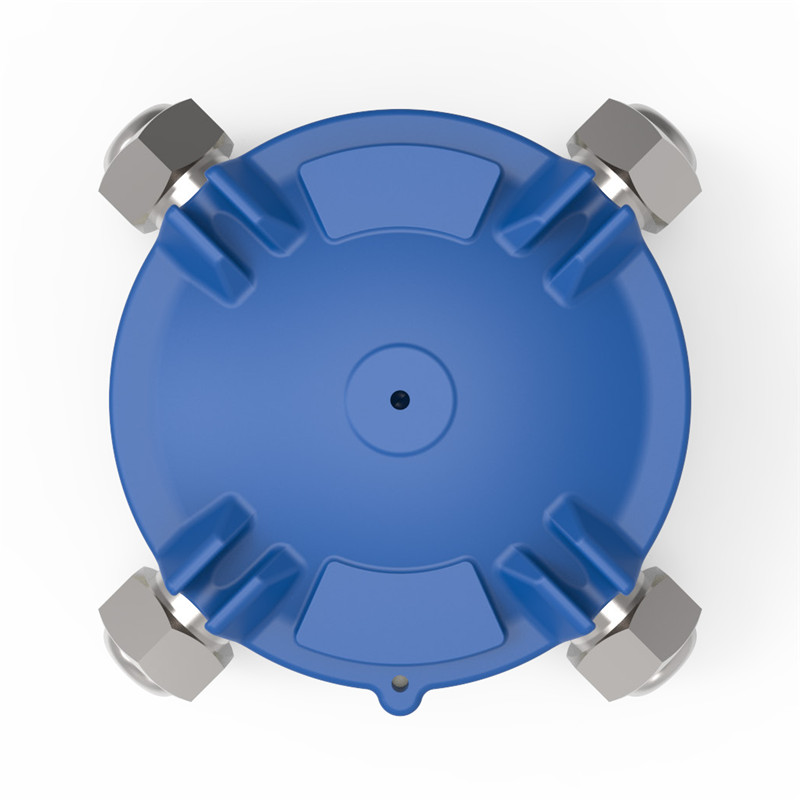
Which Questions Should You Ask When Procuring an Explosion-Proof Light?
Confusion happens when procurement, engineering and site teams try to buy specialized items without a shared checklist—especially for products described as explosion-proof, like explosion proof electrical fittings or lighting such as explosion proof led light. Problem-driven decisions stall projects: timelines slip, budgets swell, and stakeholders point fingers. This article lays out the practical procurement problems you’ll face and the non-technical questions and coordination steps that help keep projects moving.
What problems typically derail procurement?
Unclear responsibilities between procurement and engineering; late discovery of documentation gaps; underestimated lead times for specialized items; mismatched expectations on delivery and spares; contracts that don’t allocate risk or acceptance criteria clearly. Each of these creates rework, cost overruns, or schedule delays.
Who should be part of the decision team?
Make a compact, accountable team: project manager, procurement lead, the responsible engineer, an operations or maintenance representative, the main contractor or EPC, and the supplier’s commercial contact. Legal or contracts should review terms early if there are long-lead or custom items. Keep roles and sign-off points explicit so decisions don’t bounce around.
High-level questions to ask qualified suppliers
Ask clear, procurement-focused questions you can use to compare offers: What documentation and independent verification do you provide with each unit? What are typical lead times and minimum order quantities? How do you handle spare parts and support over the equipment lifecycle? What packaging and delivery terms affect site receiving and storage? What warranty and commercial remedies do you offer for defective or late deliveries? Who coordinates product handover and what records will the supplier provide at delivery? These questions let buyer, engineer and supplier align expectations without getting into installation or technical design details.
Contract and procurement clauses that reduce disputes
Specify acceptance criteria in plain commercial terms, define delivery milestones and consequences for delays, document responsibilities for changes and approvals, and set clear provisions for spare parts, lead times and obsolescence handling. Require that critical documentation be delivered with the goods. Avoid vague promises; make commercial remedies measurable and verifiable.
Common procurement pitfalls to avoid
Bringing procurement in late, relying on broad product descriptions rather than documented deliverables, ignoring spare-part plans, underestimating transport or storage constraints, and failing to confirm the seller’s ability to meet long-term supply needs. These are organizational and contractual mistakes—fix them before technical teams are asked to resolve them under schedule pressure.
How to coordinate across teams without asking engineers for specifics
Set regular, brief coordination checkpoints where procurement updates on lead times and supply issues, engineers confirm scope boundaries, and operations flags site constraints. Use a shared procurement register that lists deliverables, responsible parties, and documentation status. If the project needs product verification, frame that need as a question for the supplier and a task for the qualified engineering party to arrange—don’t turn procurement into an engineering spec exercise.
When to involve finance, legal and operations
Get finance and legal involved early for high-value or long-lead items so payment terms, performance bonds and liability allocations are agreed before purchase orders are issued. Operations should confirm spare-part storage, handling needs, and long-term service preferences so procurement can negotiate appropriate support terms.
Procurement success comes from clear questions, defined roles, and early coordination between commercial and technical players. That practical alignment is what procurement teams should aim for when comparing suppliers and managing delivery for specialized equipment, a value often demonstrated by experienced vendors such as sunleem.