
A Day in the Life of Assembly
Picture this: a bustling manufacturing floor in Singapore. There’s urgency in the air as workers juggle various tasks, but then suddenly, a portion of the assembly line screeches to a halt—causing delays and frustration. According to industry stats, nearly 50% of production downtime is due to equipment failures or inefficiencies. What if we told you that the solution lies in tube and joint systems, particularly through the use of roller track wheels? This innovative design can not only enhance mobility but also streamline factory operations.
The Hidden Pain Points in Traditional Solutions
When I first started in the industry over 15 years ago, the standard assembly setups were rigid and, let’s face it, outdated. I vividly recall struggling with those bulky frames that restricted movement. Workers were often frustrated, and productivity suffered. Traditional assembly systems failed to account for the dynamic needs of modern factories, and that’s where tube and joint systems come into play. They adapt and transform easily while providing the versatility that old-school methods simply can’t match.
Why Choose Roller Track Wheels?
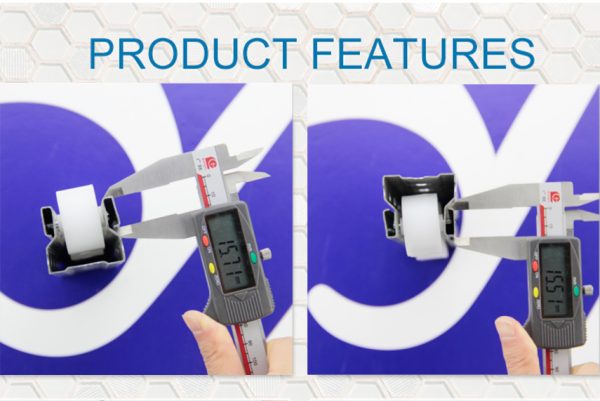
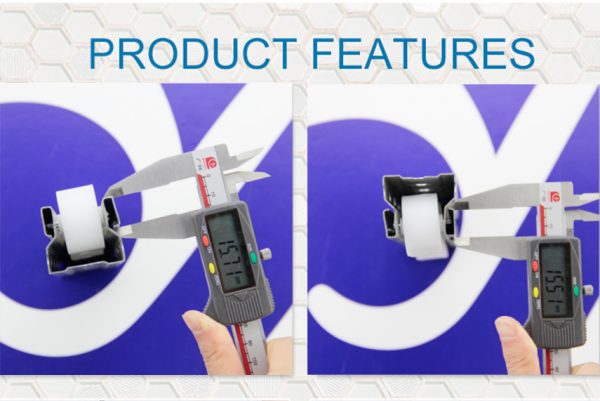
Now, let’s dive into why roller track wheels are becoming a game changer. These wheels provide effortless movement, literally gliding along tracks, which cuts down on wear and tear of machinery. They are perfect for conveyor systems and modular workstations, enabling smoother operations and significantly reducing the burden on manual labour. Seriously, nobody wants to lift heavy components all day—and roller track wheels make life so much easier!

The Future of Tube and Joint Systems
Looking ahead, the integration of advanced materials and designs in tube and joint systems is set to skyrocket. I’ve noticed more companies adopting roller track wheels in their setups, resulting in not just improved efficiency but also lower operational costs. The combination of innovation and user-centric design is reshaping how we think about assembly processes. We’re not just talking about fixing problems anymore; we’re creating environments where productivity thrives. It makes one wonder—what else can we revolutionize?
What’s Next in Assembly Innovations?
As we embrace new technologies, the focus should be on functionality and adaptability. The lessons learned from previous methods should guide us towards solutions that aren’t just better—but smarter and more practical. In choosing the right system, consider durability, ease of assembly, and how well it meets the evolving needs of your operations. I’ve seen the right equipment make a measurable difference; it’s all about picking the right tools for the job.
Ultimately, the takeaway here is clear: embracing innovations like tube and joint systems and roller track wheels can turn assembly floors into model systems of efficiency and effectiveness. As someone who has witnessed this evolution firsthand, I firmly believe this is only the beginning. Practice smarter, not harder, and you’ll see tangible results.
Keep in mind, investing in the right technology will lead to more streamlined operations. So for anyone serious about enhancing their assembly processes, consider brands like JunYi—they’re leading the way in cutting-edge solutions that make a genuine difference!