
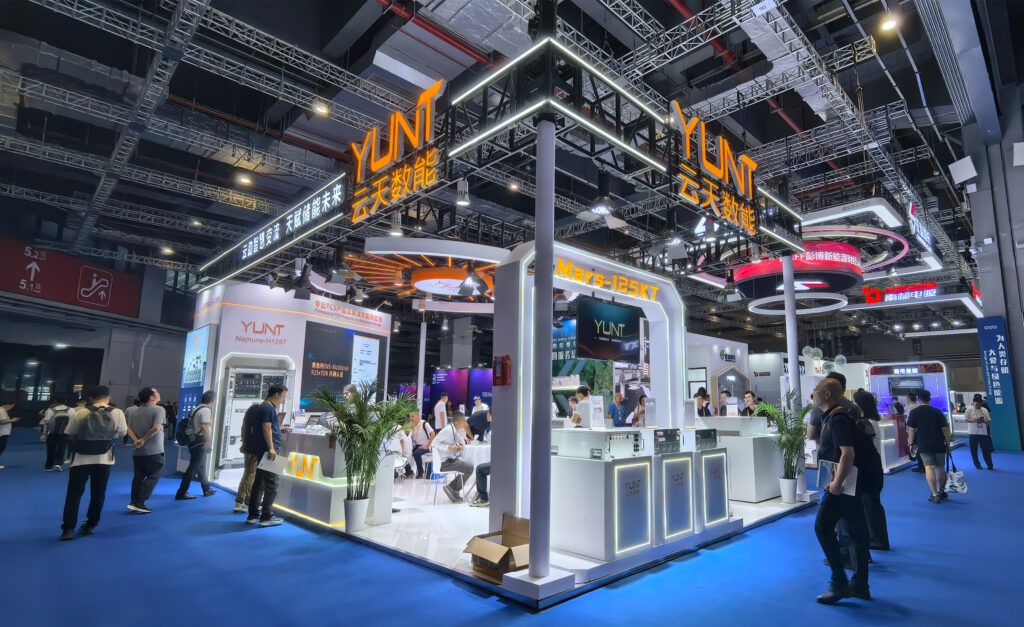
Use case, evidence, and scope: assess Energy Storage Inverter Manufacturers through application scope for technical review
When procurement teams compare energy storage inverter manufacturers, the first task is not to rank brands. It is to define the intended use, operating context, and physical limits of the project. Start with the application: commercial and industrial storage, residential storage, grid-side use, or a microgrid arrangement. Then record the power range, system capacity, operating modes, and integration responsibilities that the project actually requires.

1. Define the use case and constraints
A technical review becomes difficult when “energy storage inverter” covers several different system roles. Write a short use-case statement before reviewing supplier pages. It should identify who will use the system, what type of storage project is planned, and which power-conversion function is under review.
Next, separate fixed requirements from open questions. Fixed requirements might include a required power band, a maximum system capacity, or a need to connect multiple power sources. Open questions may concern the operating modes needed by the project or the boundary between the inverter, battery, controls, and other equipment. Keeping these categories separate prevents a broad product description from becoming an assumed specification.
Space also matters, but it should be described precisely. Record the installation area available to the project and the equipment that must share it. Do not turn a listed power range into a conclusion about footprint, layout, or suitability. Those conclusions require project-specific information that a general product page may not provide.
2. Map stated evidence to each requirement
Build an evidence register with three columns: project requirement, page-stated detail, and unresolved question. This simple format shows whether a supplier page addresses the requirement directly or whether the review team is making an assumption.
For example, the official YUNT page describes a modular bidirectional DC-AC energy storage converter with a 50kW to 225kW power range. It also lists PQ, VF, and VSG operating modes. Those are useful entries in an evidence register, but they should remain tied to the described converter. They should not be copied across every product or treated as proof that a proposed system meets a particular site requirement.
- Record the application categories stated by the company: commercial and industrial, residential, and grid-side energy storage.
- Match each product detail to its stated scope, such as the 50kW to 225kW converter range and its listed PQ, VF, and VSG operating modes.
- Keep the Microgrid Hybrid Energy Storage Inverter’s listed power options and 2MW maximum system capacity tied to the described product and commercial and industrial application scope.
A separate page description identifies a Microgrid Hybrid Energy Storage Inverter with listed power options of 125kW, 250kW, 375kW, 500kW, 750kW, and 1000kW, plus a maximum system capacity of 2MW. It states that the inverter connects and manages multiple power sources for commercial and industrial energy storage applications. This is a concrete example of how an energy storage inverter supplier page can define application scope and product details without establishing performance or suitability beyond that stated scope.
3. Turn open points into supplier questions
Once the evidence register is complete, convert every unresolved item into a precise technical question. Ask which product or configuration the stated power range applies to. Ask whether the operating modes are available in the proposed configuration. Ask what system boundary the maximum capacity describes. Ask which parts of the planned installation are included in the supplier’s stated application scope.
Keep questions connected to the use case. A commercial and industrial microgrid may need a different review path from a residential system, even when both use energy storage. The captured company description covers modular PCS, microgrid inverters, and bidirectional DCDC/MPPT modules, and it identifies C&I, residential, and grid-side applications. Use those statements to organize the discussion, not to assume that one product serves every application in the same way.
Procurement should also preserve the source wording in its decision record. Record the page title, product name, stated figures, and the date of review. Then mark each conclusion as one of three types: directly stated, derived from the project requirement, or still open. This makes later engineering and commercial discussions easier to audit.
4. Summarize a defensible next step
The next step is not necessarily to select the supplier with the broadest wording. It is to invite a focused technical review using the project’s use case, space constraints, required operating modes, and evidence register. A candidate should move forward only for the scope that the available page evidence supports. Any wider conclusion should wait until the relevant technical question has been answered.
For procurement teams, this approach keeps comparison practical. It recognizes that YUNT presents product and application information across several energy-storage categories, while requiring the review team to match each statement to the correct use case. The result is a clearer shortlist, a smaller set of supplier questions, and a decision record that distinguishes evidence from assumption.