
Introduction
I once stood in a dim shop at dawn, watching a machinist nurse a worn fixture back to life — you learn a lot from mornings like that. As I looked around, I thought about the firms behind the metal: CNC vertical machining center manufacturers, the companies that build the machines we depend on. Recent surveys show small shops that invest in the right machine see up to a 30% boost in first-pass yield (that number still surprises me). So I ask: how do you pick a machine that actually helps, not just looks good on paper? I’ve lived through machines that hum and ones that cough; I’ve seen a spindle speed reading lie and a tool changer save a job. These moments matter because they shape the daily grind — and the bottom line. Let’s step through what I’ve learned and why the choices you make now shape work years down the road. Next, I’ll dig into the subtle problems many sellers gloss over, and why those problems keep coming back.
Why Small Mills Often Fall Short
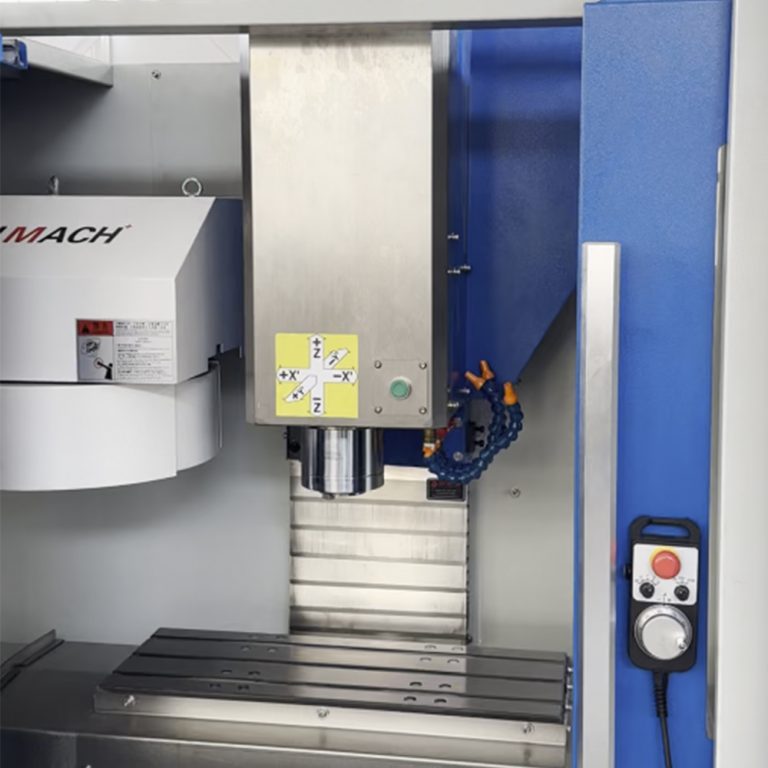
small cnc vertical milling machine sounds like the obvious fix for a tight shop footprint, but the reality is messier. I’ve tested these units side by side with bigger centers. The common flaws? Stiffness that isn’t there when the cutter bites deep, thermal drift after an hour, and crude control loops that let chatter sneak in. On paper you get spindle speed and axis travel specs; in practice you need real rigidity, good linear guideways, and tight backlash control. Many makers crunch specs to win orders but ignore how chips, coolant, and heat affect accuracy over a shift. Look, it’s simpler than you think: if the machine can’t hold position under load, no amount of fancy G-code will save your part count.

Digging deeper, I found a few recurring issues. Servo motors that yaw under sudden loads. Weak tool changer mechanisms that fail halfway through a run. Poorly routed power converters and cooling paths that let temperature wander. These are not exotic faults. They’re engineering choices — often cuts made to reach a price point. Small shops feel the sting first. They lose time in set-up, fight taper errors, and then pay for rework. I’ve repaired machines where the linear rails were undersized and the control tuning left to default. The fix? Better baseline design and honest testing. — funny how that works, right?
So what really breaks first?
Usually the things no one talks about in sales demos: thermal stability, repeatable tool change, and control loop tuning. Address those, and you’ve solved most daily headaches.
Looking Forward: Better Choices and New Principles
What’s Next?
We should look at how new principles can change outcomes. Modern small machines — think small vertical machining center level — are starting to use adaptive control, better spindle monitoring, and smarter power systems. I favor a design that pairs closed-loop spindle feedback with simple predictive maintenance signals. Edge computing nodes can sit close to the machine and process vibration or temperature data in real time (yes, that matters). The result? Less surprise downtime, fewer scrapped parts, and smoother runs. I’m not selling a myth; I’ve seen shops move from three stops a week to one. — and yes, that matters.
To make practical choices, weigh three metrics I trust: rigidity under load, repeatability of the tool changer, and control-system transparency (can you tune it easily?). Look for clear specs on torque curves, backlash numbers, and thermal growth. Ask vendors for real-life cut samples and uptime stats. If they dodge that, walk away. If they share data, you can compare apples to apples. My advice is straightforward: prefer machines that give you control over tuning and diagnostics. They save you hours and headaches. In short, choose for real-world work, not just spec sheets. For an option I’ve watched improve shop output, check out Leichman — they make choices that match the problems I’ve seen on the floor.