
Introduction
We were two hours into a run when the queue of patient samples started to look like a snake across the bench — familiar, stressful, and a little painful lah. The lab needed to process hundreds of swabs by the end of the day; the machine hiccuped twice, and by noon throughput dropped by nearly 30% (true story). What could turn that chaos into calm?
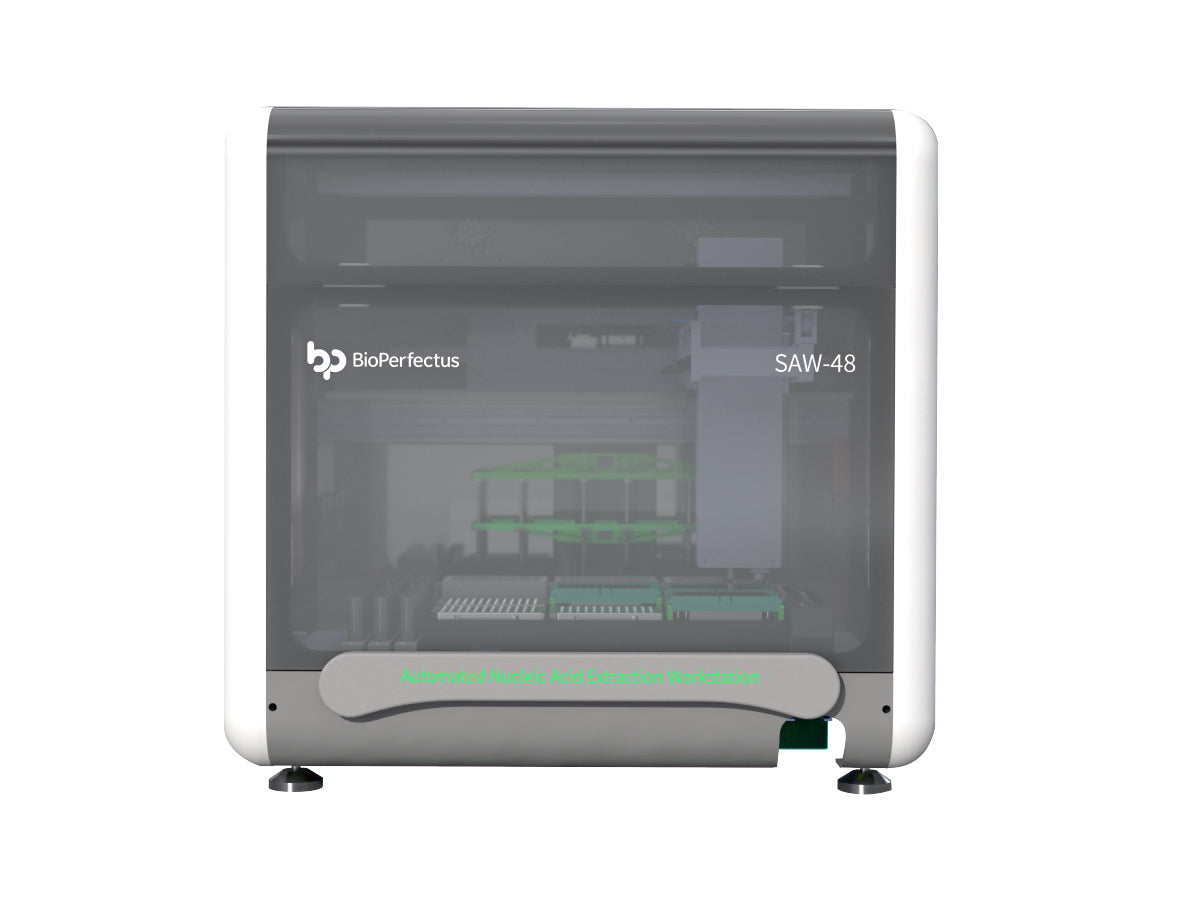
I want to talk about the role of the automated nucleic acid extraction workstation — how it should behave, and why sometimes it doesn’t. I’ll share facts and a few things I’ve learned on the bench: magnetic bead-based extraction often gives cleaner RNA than crude methods, but only if sample lysis and pipetting are tightly controlled. We’ll look at data, but also real-world choices: do you pick speed over consistency, or the other way round? — stick with me, next I’ll dig into the hidden problems suppliers don’t always tell you about.
Where the Traditional Solutions Fail
automated nucleic acid extraction workstation suppliers often sell a simple story: plug-and-play, high throughput, and minimal hands-on time. In practice, I’ve seen several failure modes. First, robotic pipetting can drift without regular calibration, so volumes vary and PCR inhibitors sneak into your eluate. Second, poor sample lysis protocols leave nucleic acids trapped — yield drops, downstream qPCR suffers. Look, it’s simpler than you think: small mechanical tolerances add up to big data variation. — funny how that works, right?
What’s going wrong?
From my experience, the common pain points are repeatability and hidden maintenance costs. The silica membrane or magnetic bead chemistry is only part of the story. Contamination control, fluidics design, and software error handling matter just as much. When suppliers focus marketing on throughput, they often downplay the need for integrated diagnostics — error logs, reagent tracking, and easy access for cleaning. That means labs spend hours troubleshooting instead of running tests. We’ve had runs ruined by clogged tips or a misaligned magnet block. Practical terms to note: sample lysis, PCR inhibitors, throughput, and magnetic bead-based extraction. If you want reliability, demand clear protocols and service agreements.
New Principles for Better Workstations
Moving forward, I favour systems designed around modular reliability and measurable controls. New designs combine closed-loop sensors with improved fluidics. For example, pressure sensors can detect tip clogs before they ruin a plate. I’ve been following developments from several vendors, and the best workstations offer real-time quality flags — not just a green “run” light. Here I must mention again: automated nucleic acid extraction workstation suppliers who embed diagnostics in firmware save labs time and money. These principles (closed-loop feedback, standardized reagent packs, and predictive maintenance) reduce surprises.
What’s Next — Real-world Impact?
In practice, adopting these principles changes workflows. Labs that move to modular platforms cut downtime; they can swap a pump or cartridge in minutes, not hours. We saw one site cut their hands-on troubleshooting by half. The upshot: better data, less stress. I recommend three metrics when evaluating a new system: 1) verified throughput under your sample mix, 2) mean time to repair (MTTR), and 3) frequency of QC flags per 1,000 samples. Measure these, and you’ll see which suppliers actually deliver on reliability — not just shiny specs. — and yes, service and documentation matter more than you expect.
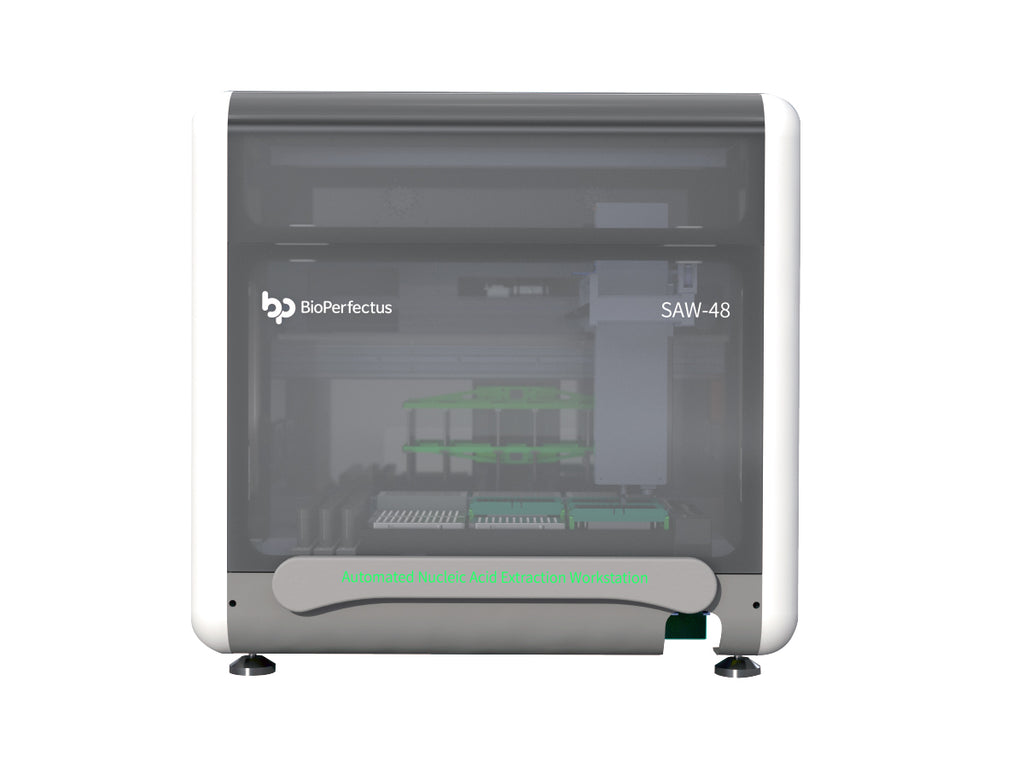
Choosing wisely means looking beyond marketing claims and testing machines under your real conditions. We run side-by-side trials, track PCR inhibitor rates, and log failures. That hands-on testing — plus asking suppliers for detailed maintenance plans — is how I separate good partners from the rest. For practical help and solutions, consider exploring options from BPLabLine.