

Understanding the Emerging Needs of Automated Driving
Imagine a bustling urban landscape where self-driving cars glide seamlessly, and drivers enjoy peace of mind. Yet, data shows that nearly 80% of users are still hesitant about autonomous vehicle safety. With increasing reliance on technology, vehicle camera manufacturers must step up to the plate. This brings us to an essential question: How can businesses enhance the safety features in their wireless vehicle cameras?
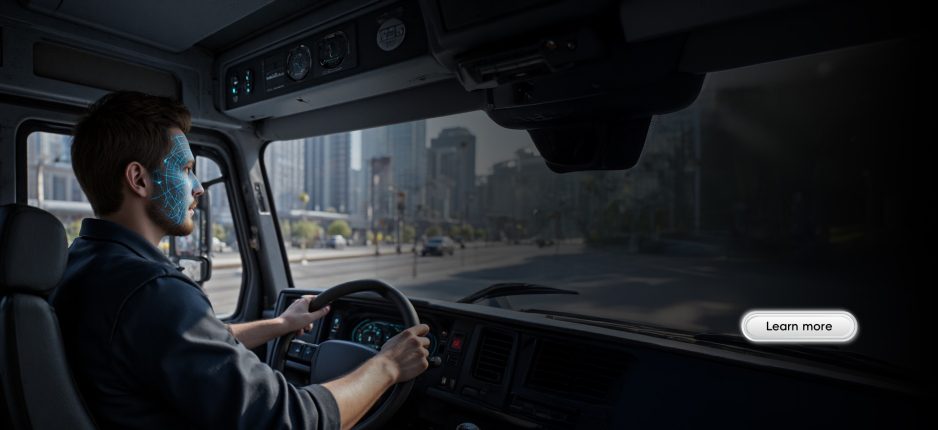
Flaws in Traditional Solutions
Take a moment to think about the last time you encountered issues while parking—frustrating, right? Many traditional vehicle camera systems are still tethered and lack the flexibility that modern drivers expect. I’ve seen too many people grapple with hardwired options that complicate installation and reduce accessibility. This is where wireless solutions come back into the spotlight. They not only clear up the clutter but also provide users with freedom in positioning. After all, no one wants to compromise on visibility when high-stakes situations arise.
Why Wireless Matters?
Shifting to automotive camera systems that leverage wireless technology isn’t merely about convenience; it’s also a game-changer for safety. Users increasingly demand reliable feeds with minimal lag times. As a manufacturer, fine-tuning these systems to deliver high-resolution imagery can decidedly elevate user trust. That’s the beauty of innovation! But seriously—being ahead of the curve can define your brand’s future in a competitive market.
What Next for Vehicle Camera Manufacturers?
Now let’s peer into the horizon, shall we? The future of vehicle camera systems seems poised for trends like sensor fusion and AI-driven analytics. These advancements promise deeper insights, helping not just in reversing but also in avoiding potential collisions. What if your systems could minimize blind spots effectively? In this shifting landscape, manufacturers who adapt quickly will undoubtedly lead the pack.
Real-world Impact of Innovation
Reflecting upon past innovations, I can tell you that the shift to assistive technologies was life-changing. I vividly recall witnessing a driver avert a close call using a smart vehicle camera. What’s intriguing is that most users don’t even comprehend the technology behind it—the performance data, the algorithms, and the enhancements that can drive better responsiveness. Yet, they know they can rely on it. This balance between technology and user experience is the crux of our challenge.

Lessons Learned from the Shift
In my experience, the most effective vehicle camera systems have three key elements: adaptability in design, reliability in performance, and user-centric features that prioritize safety. The road ahead won’t be without bumps—competition is heating up. I firmly believe that the more we focus on holistic solutions tailored to end-users, the stronger we will become as an industry. Brands like Luview are leading the way, consistently pushing boundaries and redefining user expectations. Let’s commit to a future where innovation meets practicality. After all, who doesn’t appreciate a camera that simply works well?