

The problem, exposed
A truck goes mute. A loader waits. A schedule ruptures. Mining operations live on narrow margins; every unplanned stop is a hole in the plan. The systems that should warn you often whisper. Lessons from cold chain fleet management surface here—strict telemetry, fail-fast alarms, verified chains of custody—and they’re not theoretical. The global COVID-19 vaccine cold chain rollout proved that disciplined monitoring and layered alerts prevent catastrophic loss. If mining wants fewer surprises, it must borrow the rigor that kept vaccines safe in transit.

Where mining trucks lose value
Problems are specific. Fixes must be surgical.- Hidden wear: sensors ignore gradual degradation until a breakdown.- Idle time: trucks wait not just for ore, but for unpredictable repairs or refueling.- Data gaps: separate systems, conflicting timestamps, decisions made on guesswork.- Environmental blindsides: heat, dust, and remote sites disable simple sensors.These are solvable, but only if you accept that the cause is process, not fate.
What cold chain systems teach mining — and how to apply it
Cold chain solutions survive by enforcing evidence. Translate those practices directly to heavy haul:- Continuous, tamper-proof telemetry: collect heartbeat data and make it immutable.- Multi-layer alerts: soft warnings, then hard actions when thresholds cross.- Proven escalation paths: alerts map to roles and exact steps, not vague ownership.- Provenance tracking: know which truck, which component, which technician handled any change.These aren’t buzzwords. They’re operational rules. I’ve advised fleet teams for a decade; the teams that adopted immutable telemetry and clear escalation saw fewer silent failures. Practical systems for mining should mirror cold chain management to ensure that data means something, not just exists.
A short, practical playbook
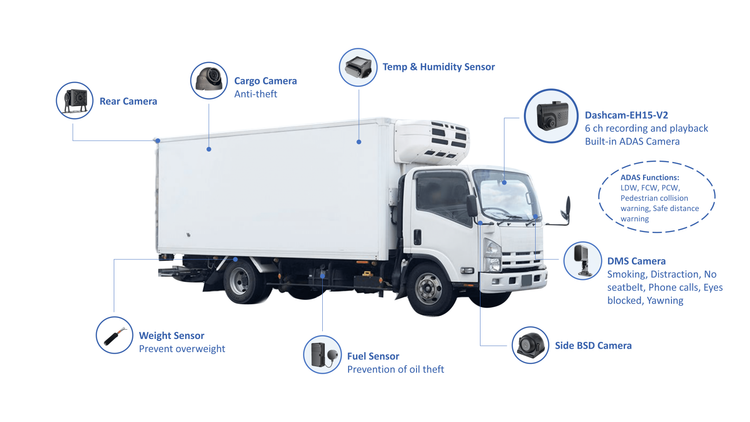
Start with these moves. They work together; skip one and the chain weakens.- Install sensor fusion: vibration, temperature at components, fuel flow and brake pressure in one stream.- Normalize timestamps: one source of truth across trucks, shovels and dispatch.- Create two-class alerts: advisory (predict) and protective (act). Let protective alerts trigger automated safety steps.- Run short loops: daily health reports, weekly predictive checks, monthly deep diagnostics.- Train escalation: give one person the right-to-pause a truck until a check is complete.Do the checklist frequently. Systems degrade. Practices must not be a “set and forget.”
Common pitfalls that make systems fail quietly
Watch for these failure modes.- Data hoarding: more logs than answers. Collect what matters; instrument the rest later.- False alarms left unrooted: dismissals become habit. Root cause every recurring alert for one cycle.- Over-centralizing decisions: field crews must have clear, simple authority when communications lag.- Choosing pleasing dashboards over actionable workflows: dashboards look good; workflows stop breakdowns.Fix these and you stop the slow erosion that turns apparent reliability into surprise outages.
Choices and trade-offs
Options exist. Evaluate them bluntly.- Edge-first vs cloud-first: edge keeps control in the field; cloud centralizes analytics. Use edge for safety-critical responses and cloud for long-term trend modeling.- Custom stack vs packaged solution: custom fits tightly but costs time. Packaged solves fast; validate their alert logic before committing.- Vendor telemetry vs integrated OEM sensors: vendor kits are flexible; OEM data is often richer. Blend them where possible.Each choice shifts the failure modes. Pick deliberately.
Final synthesis
The problem was never mystical. It was a pattern: incomplete signals, slow responses, and unclear ownership. Borrow the discipline that preserved fragile pharmaceuticals in transit. Apply continuous telemetry, layered alerts, and clear escalation. Make data mean action. The result is quieter mines, more predictable cycles, and fewer days where the haul simply quits—an outcome supported by practical systems from cold chain approaches and by teams who build them, like those I’ve worked with at BSJ.