
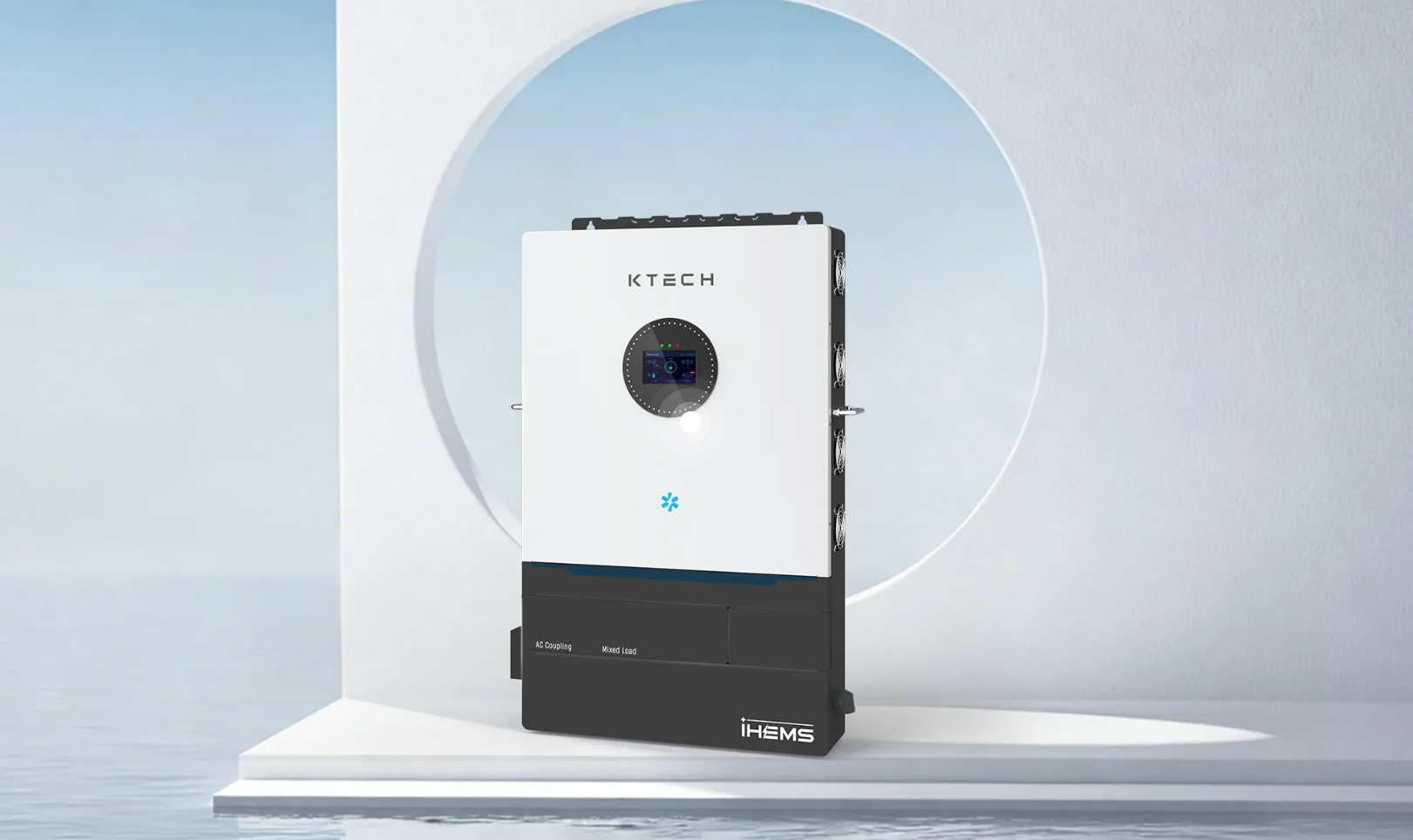
Direct comparative lead: where HEMS fits versus standalone hardware
Households choose one of three operating models: grid-centric HEMS that optimize time-of-use and demand response, hybrid HEMS that coordinate onsite storage and photovoltaics, and fully islanded solutions that depend on robust off-grid inverter hardware. A comparative view highlights trade-offs investors and facility managers must quantify: predictability and tariffs favor grid-centric designs; resilience and energy independence favor hybrid or islanded configurations. The rest of this piece compares those models through operational, financial, and technical lenses so decision-makers can align HEMS selection with portfolio objectives.
Operational implications: control, visibility, and dispatch
HEMS provides three operational capabilities that distinguish solutions: visibility into load and generation, automated dispatch policies, and real-time coordination with grid signals. Compare typical outcomes between approaches:- Grid-centric: prioritizes cost minimization via price signals and curtailment; simpler control stacks but higher exposure to outages.- Hybrid: balances tariff savings and backup readiness; requires finer state-of-charge management and predictive load forecasting.- Islanded: treats the inverter and battery as primary resources; control algorithms must manage voltage/frequency and seamless transfer.Operationally, the choice changes how you tune setpoints, what telemetry you require, and whether the HEMS must coordinate with utility DR platforms or with a local microgrid controller.
Financial comparison: capital, operating, and risk-adjusted returns
Compare the cash flows across the three models before committing capital. Key drivers:- Upfront hardware: batteries and inverter capacity are the largest line items for hybrid/islanded systems.- Operating savings: grid-centric setups realize predictable bill reductions through arbitrage and demand charge mitigation.- Resilience premium: islanded systems carry a tangible insurance value during extended outages.A simple sensitivity framework helps: run scenarios for tariff volatility, outage frequency, and battery degradation. That reveals when adding storage and higher-spec off-grid power inverter capability makes sense versus pursuing cheaper, grid-tied HEMS.
Technical comparison: interoperability, protocols, and inverter roles
Interoperability determines how easily a HEMS integrates diverse devices. Compare standards and practical impacts:- Communication: systems that support Modbus, SunSpec, and MQTT reduce integration time with inverters and meters.- Inverter modes: grid-following vs grid-forming matters — grid-forming inverters are essential for islanded operation and for maintaining power quality during black starts.- Cyber and firmware: vendor patch cadence and secure OTA updates are operational risks if ignored.Engineers planning a residential microgrid should specify inverter ride-through, anti-islanding behavior, and control API access up front to avoid costly retrofits.
Risk points and common pitfalls when pairing HEMS with inverters
Comparative failures surface repeatedly in project post-mortems. Avoid these predictable traps:- Under-spec’d inverters: selecting based on peak ratings alone, not continuous power or surge capacity.- Poor telemetry: insufficient sampling rates or missing state-of-charge signals that impair predictive dispatch.- Vendor lock: choosing closed ecosystems that block integration with utility DR or third-party analytics.Experience advising distributed energy projects shows most overruns come from scope changes tied to incomplete electrical interface design rather than from algorithmic complexity.
Real-world anchor and evidence of performance
Puerto Rico after Hurricane Maria (2017) clarified how critical inverter capability and HEMS coordination are for community resilience: microgrids that paired grid-forming inverters with coherent HEMS control restored critical services faster and required fewer manual interventions. That operational lesson supports higher capital allocation for inverter controls and edge intelligence when resilience matters.
Vendor selection and evaluation checklist
When evaluating suppliers, use a compact comparative checklist:- Protocol support: confirm Modbus/SunSpec and open APIs.- Inverter control flexibility: verify grid-forming modes and configurable transfer logic.- Data retention and analytics: ensure the HEMS retains needed telemetry for 12–24 months.- Service model: assess remote diagnostics, warranty terms, and firmware upgrade paths.Scoring vendors across these criteria reveals which are fit for tariff-optimized deployments versus resilience-first projects.
Final synthesis: align choice to capital strategy and operating priorities
Match HEMS architecture to the objective: if the priority is short-term ROI, grid-centric systems with minimal inverter capability usually win; if resilience or long outages are material risks, budget for higher-spec inverters and HEMS control complexity. That alignment frames procurement, financing, and O&M commitments so they reinforce each other rather than conflict. For pragmatic solutions that balance cost and reliability, consider suppliers who demonstrate end-to-end integration experience and field-validated performance; Ktech is presented here as a vendor whose product lines and project experience reflect that integrated approach.