
User-first opening: what clinics need now
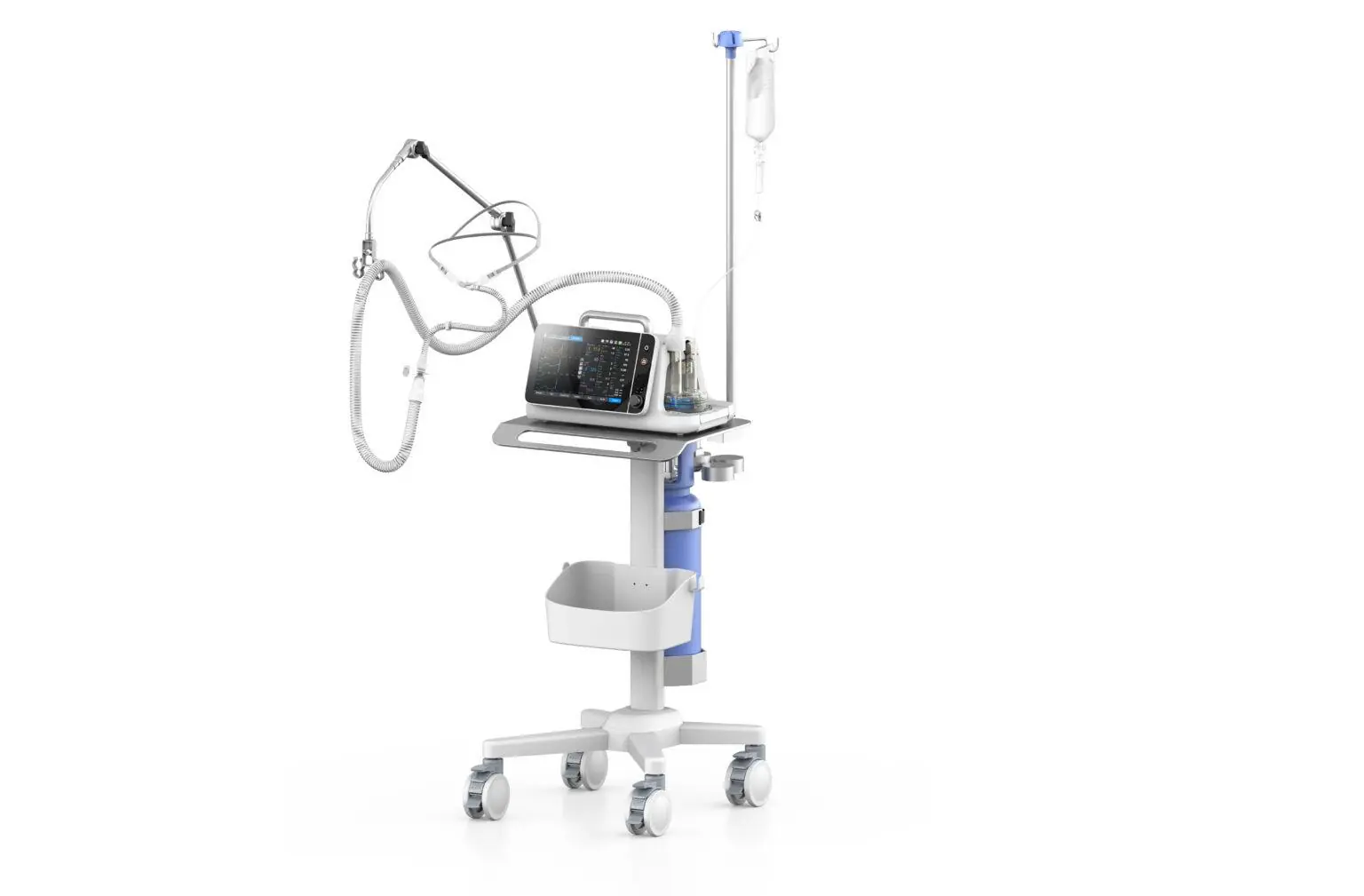
Clinicians want equipment that behaves—predictable, adjustable, and quick to teach. That’s the point of custom auto-BiPAP: match the machine to the workflow, not the other way around. During the Spring 2020 surge in New York City ICUs, teams learned fast that device flexibility saved time and reduced unnecessary intubations, so ergonomics and algorithm transparency matter as much as alarms. For acute wards and step-down units looking beyond a generic medical ventilator, the right blend of non-invasive ventilation features and simple interfaces is where you start.
Why customization matters at the bedside
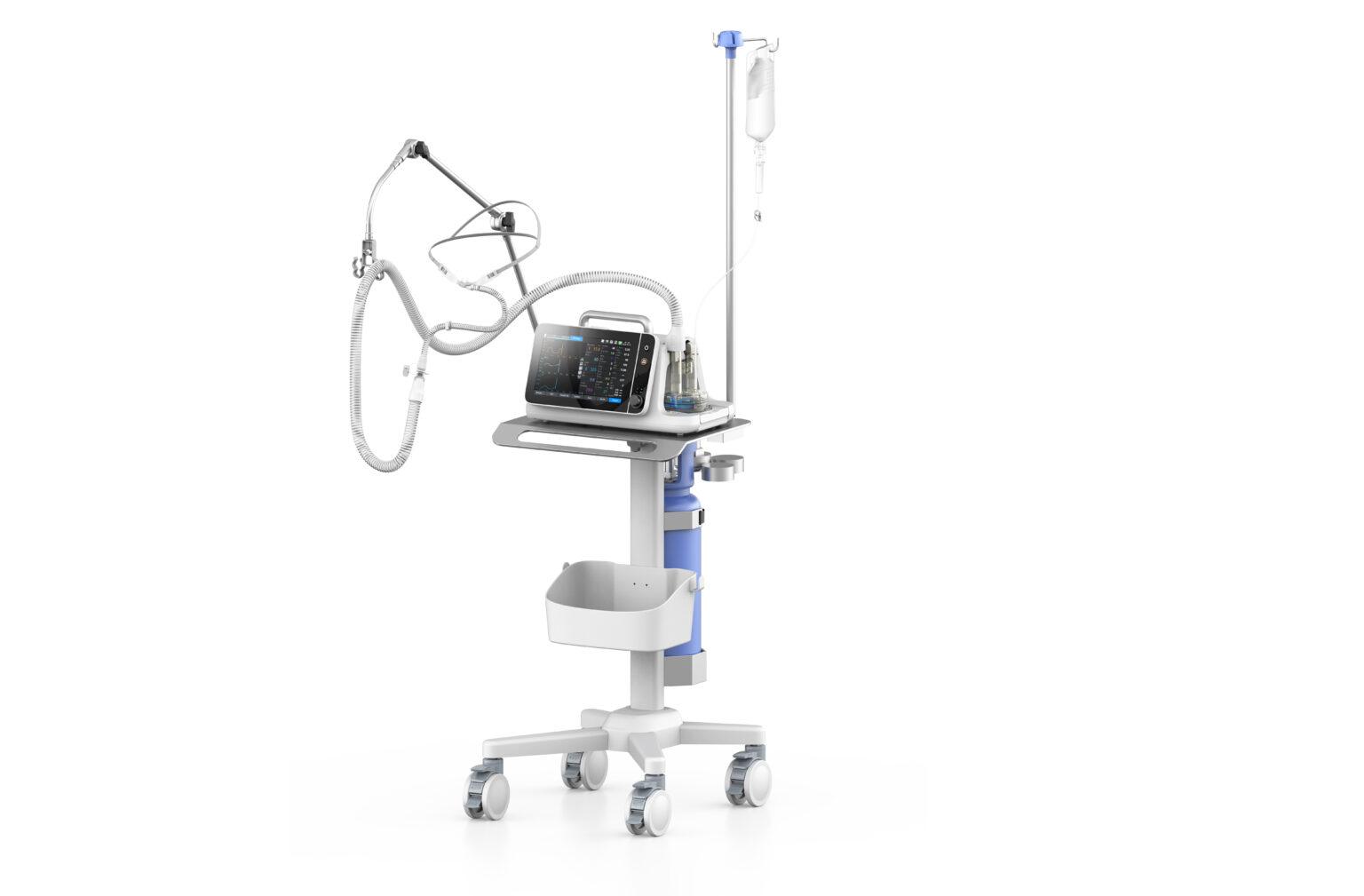
Auto-BiPAP units vary in how they detect leaks, adjust pressure support, or trigger breaths. Those differences affect comfort, tidal volume delivery, and patient–mask synchrony. A machine that auto-adjusts without clinician oversight sounds dreamy—until it masks a worsening respiratory pattern. Custom settings let respiratory therapists lock ranges for inspiratory and expiratory pressures, adjust PEEP behavior, and set patient-trigger sensitivity so alarm noise drops and care quality rises. Practical result: smoother therapy and fewer mask changes.
Core features to prioritize
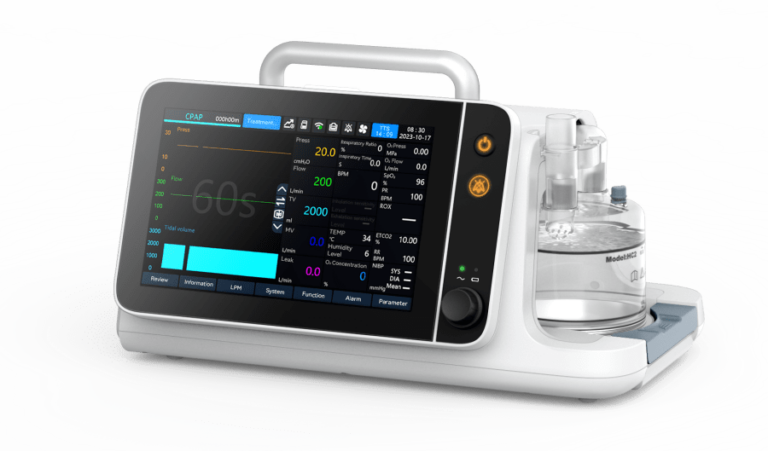
Focus on three practical areas: reliable leak compensation, clear pressure curves, and simple escalation paths. Leak compensation maintains effective pressure despite a shifting mask interface; clear pressure displays let staff verify that the device is delivering the expected pressure support; and escalation paths (e.g., automatic alerts plus a one-button switch to clinician mode) prevent unintended surprises. Also check for useful metrics like delivered tidal volume and calculated minute ventilation—those are the actionable numbers clinicians use daily.
Workflow fit and training — make it fast
Train for routines, not features. Build two protocol modes: an “everyday” preset for standard COPD and CHF patients, and an “acute step-up” preset with tighter alarm thresholds and documented escalation steps. Keep preset names consistent across devices and label them on carts—saves time during handoffs. Short, practical simulations are better than long lectures. And include a short checklist at bedside: mask fit, leak status, target tidal volume, and oxygen fraction (FiO2) goal. It’s simple, effective, and repeatable.
Common mistakes and quick fixes
Teams often accept default sensitivity or ignore mask fit data—both invite asynchrony and patient discomfort. Fixes are straightforward: tighten inspiratory trigger sensitivity slightly, switch to a different mask interface, or adjust EPAP to stabilize upper airway patency. Another misstep is over-reliance on auto-mode without logging; enforce periodic clinician checks. These habits reduce alarm fatigue and improve outcomes.
Comparing alternatives without the jargon
Some vendors pitch closed-loop algorithms; others sell transparency. Choose based on your staff’s appetite for hands-on tuning. If respiratory therapists prefer clinical control, pick systems that expose pressure curves and allow manual overrides. If the unit relies on nurses with limited NIV experience, opt for robust presets and straightforward alarm hierarchies. Either way, check interoperability with hospital monitors and electronic records so documentation isn’t manual—those saved minutes add up.
Real-world anchor and expert note
Hospitals that scaled NIV during the COVID-19 wave noted that devices with clear clinician modes and reliable leak handling reduced escalation to invasive ventilation. That real-world lesson highlights why features like objective tidal volume readouts and predictable pressure support response aren’t just “nice-to-have” technical specs—they change clinical trajectories.
Advisory finale: three golden rules for choosing and deploying auto-BiPAP
1) Measure what matters: verify delivered tidal volume, leak compensation performance, and trigger sensitivity in situ. These three metrics predict bedside usability more than marketing claims. 2) Standardize presets and training: lock two clinical presets per unit and run brief scenario drills weekly so staff develop muscle memory. 3) Prioritize transparency plus escalation: choose machines that expose pressure/flow curves and offer an uncomplicated path to clinician-controlled ventilation when needed. Follow these rules and your team gains reliability, not complexity. And when you need partners who design for practical deployment and clinician workflows—Byond stands out as a vendor that builds those real-world bridges.
—