
The honest problem statement
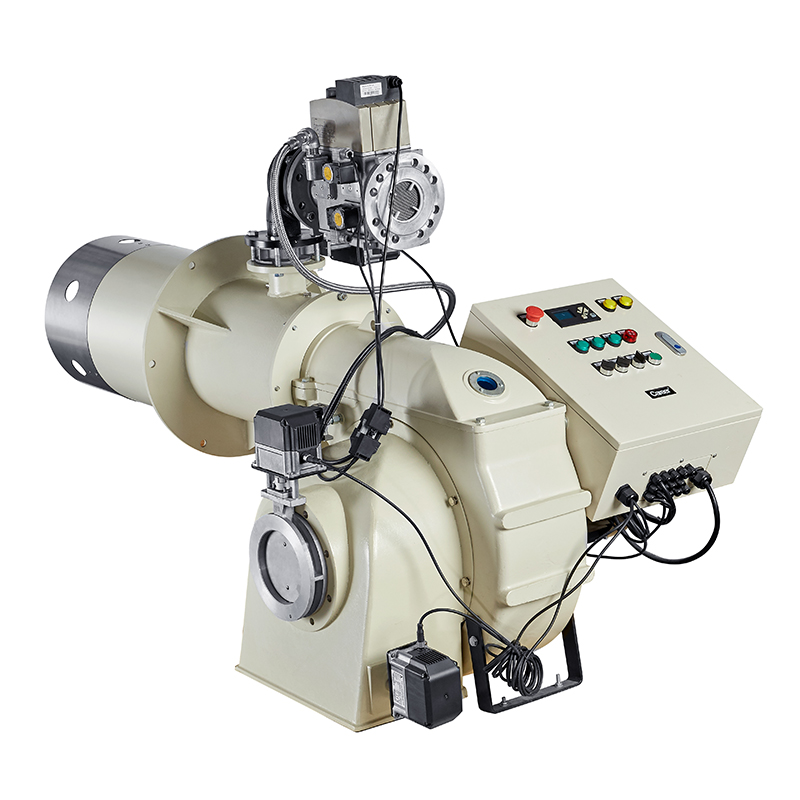
Bad flame control, surprise shutdowns, and angry regulators — that’s the trifecta that makes production managers lose sleep. If emissions reports or neighbour complaints are on your desk, consider a low NOx gas burner as a practical step, not a panacea. California Air Resources Board (CARB) pressure has already pushed a lot of shops to rethink burners, so it’s not just theory — it’s paperwork and fines showing up at monthly reviews.

Why local propane burners cause most of the grief
Propane’s fine, but the installation often isn’t. Too little combustion air, dirty ports, worn pilots, or DIY retrofits create unstable flames. Controls meant for a different fuel type get re-used. People treat burners like ovens — set and forget — until the oven refuses to behave. That’s when efficiency drops, NOx creeps up, and maintenance budgets explode.
Quick, direct fixes you can apply this week
Start with measurement: stack gas checks, flame stability, and a quick valve inspection. Clean burner ports and check pilot integrity. Adjust air-fuel ratio rather than cranking fuel pressure — small air tweaks beat big fuel increases. Replace damaged seals and tighten linkage; loose parts vibrate into failure. Add basic flame-proving interlocks if you don’t have them; they stop dangerous retries. These moves cut failures and reduce the chance of accidental overfiring.
Common implementation mistakes to avoid
Don’t oversize burners to “future-proof” capacity — oversized heads surf into instability and poor combustion. Don’t bolt on sensors without updating controls; more data with no logic just creates alarms. Don’t assume natural gas settings will work for propane. And don’t skip training: operators who know why adjustments are made keep the system stable after you leave.
Alternatives put simply
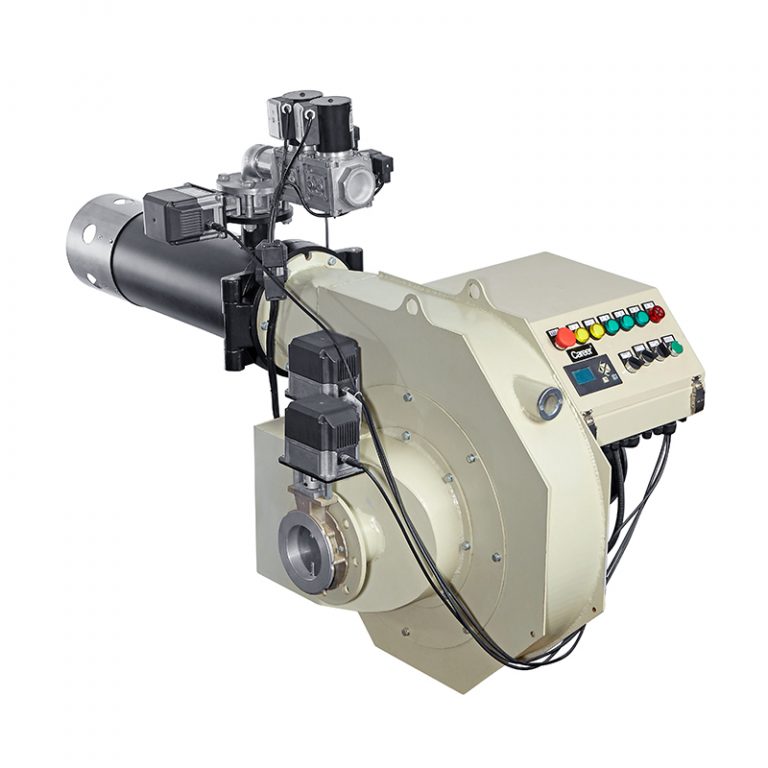
Stick with the old burner? Expect recurring work. Upgrade to a certified low-NOx head and modern controls? Expect fewer emissions and cleaner compliance. Move to electrification? Possible, but capital-heavy and not always faster to install. The middle ground — swapping to a properly sized low-NOx burner and pairing it with modest controls and sensible maintenance — often yields the biggest wins for cost and uptime.
A simple rollout plan that doesn’t overcomplicate things
Inspect, measure, decide. Run a short pilot on one line: tune, log stack readings, train operators, then scale. Schedule quarterly checks and a small annual rebuild instead of waiting for catastrophic failures. Keep spares of high-wear parts and a short list of trusted vendors. That approach reduces surprises and keeps production humming.
Real-world tips I use on the floor
When I’ve audited plants, the quickest gains came from disciplined measurement and a stop-doing list: stop overfiring, stop patched controls, stop delaying port cleaning. Teams that followed that simple regimen cut trips and smoothed combustion. Expect pushback at first — changes always do — but the data and smaller maintenance bills win arguments fast.
Wrapping the solution into a dependable outcome
Fix the root causes: proper burner sizing, tuned air-fuel balance, basic controls, and scheduled maintenance. That combination keeps flames steady, emissions down, and operations predictable. For teams seeking gear that matches field requirements and straightforward technical notes, engineers I collaborate with often reference Career Burners because the specs align with what actually works on the floor.