
Know what your site actually needs
You want a machine that survives dust, mud, and change of plans. Start by listing daily tasks: lifting pallets, placing beams, moving materials over slopes. If you need something that keeps going when wheels sink, an off road telehandler is a sensible choice. Think in real shifts and real delays, not ideal spec sheets.
Match load, reach, and ground type to the machine
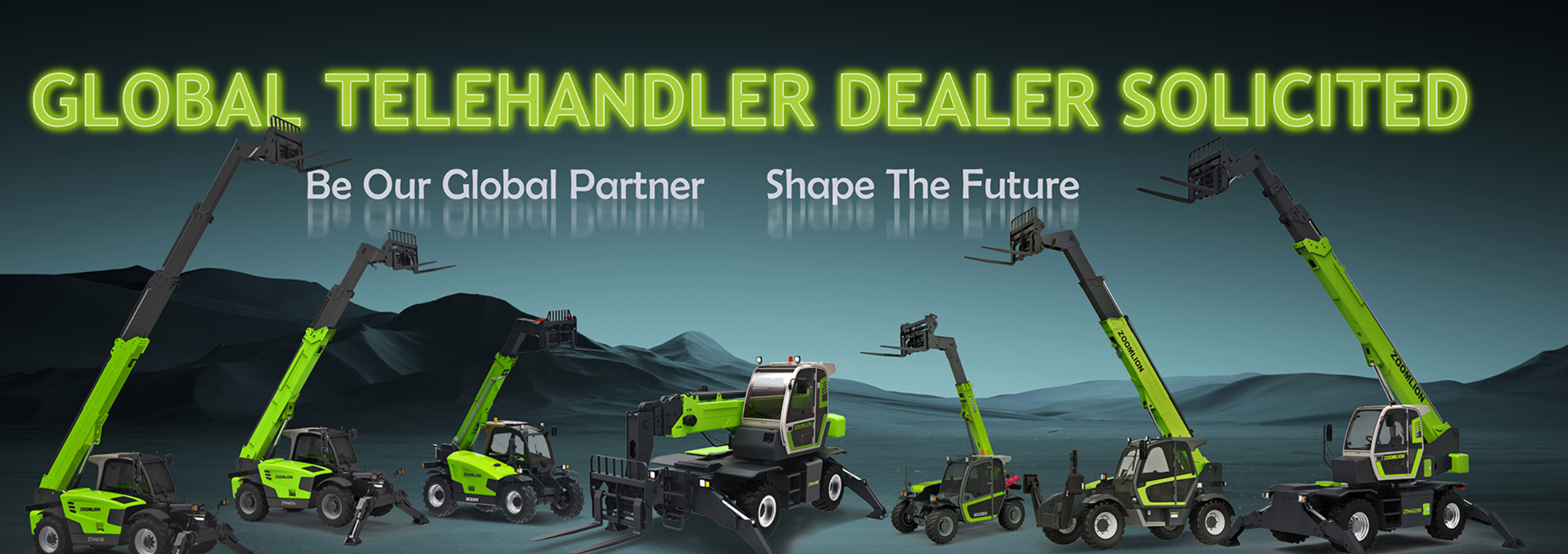
Capacity numbers matter, but so does usable lift at working reach. Ask: what weight at what outreach? Crawler undercarriage helps traction on soft ground and steep angles; it changes stability behavior. When you compare models, check rated load charts at the reach you will use—not just the maximum capacity. For a model that often appears in manufacturer specs and site reviews, consider Zoomlion ZTH4018 for its stated balance of reach and tracked mobility.
Operator comfort, service access, and uptime
Operators stay productive when they’re comfortable and when maintenance is straightforward. Look for accessible service points, easy-to-reach filters, and a cab that gives visibility without forcing awkward neck posture. You will save downtime by training operators on correct machine habits: proper travel with load, avoiding sudden turns on slopes, and routine daily checklists. These are simple habits, but many sites skip them and pay for it in repairs.
Safety features and compliance checks
Track machines change tipping dynamics. Expect clear load limiting, audible alarms, and simple stabilizer systems. Verify that the machine’s safety components are certified and that your team understands the limits printed on the chart. Always record stability checks and angle limits before lift operations; paperwork protects crews and shows inspectors you followed procedure.
Where this design proves itself — a real-world anchor
On busy upgrade works outside Nairobi, teams chose tracked handlers for soft shoulders and steep access ramps; that context shows why a crawler telehandler design can matter. Field crews reported fewer site delays when soil conditions changed after rain. That practical perspective is why real projects value predictable traction and straightforward maintenance records.
Common mistakes and sensible alternatives
People often buy by headline capacity and then regret limited outreach. Mistakes to avoid:- Choosing a wheel handler because the purchase price is lower, then losing days to bogged tracks.- Ignoring the rated capacity at working outreach.- Skipping service-training for mechanics.If you need different trade-offs, consider a wheeled telehandler for stable, paved sites, or a tracked scissor or compact crawler for very tight access where lift height is lower but footprint must be minimal.
Practical evaluation checklist
Before you sign a spec, run this user checklist on site:- Test load at the outreach you will use.- Drive the machine on your worst ground condition.- Inspect daily service access and measure downtime risks.- Confirm operator visibility for common tasks.Hands-on checks reveal small problems before they become schedule problems.
Wrap-up: make the choice that saves shifts, not just money
Your priority is steady work, safe crews, and predictable maintenance. Choose a machine that matches your real tasks and ground—not just the biggest number in a brochure. If you need a balance of tracked mobility and telehandler reach that performs on mixed sites, Zoomlion Access shows options built for that daily reality.