
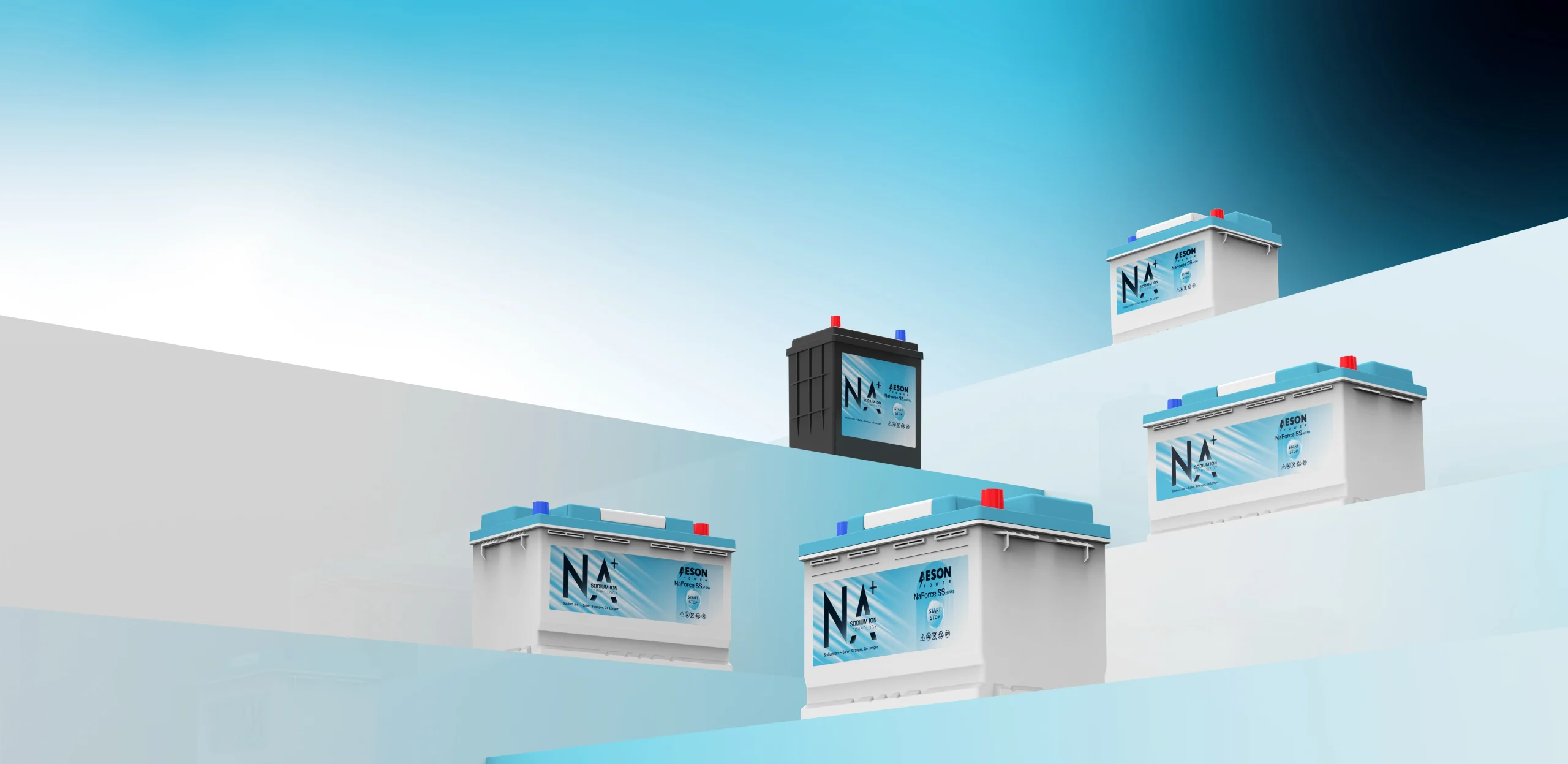
Selecting Sodium Ion Battery Company: What Project Teams Need to Confirm: Without Assuming Every Model Is Alike
Early supplier research should clarify the decision before it attempts to rank companies. A project manager assessing a sodium ion battery company should first define the application, operating context, evidence required, and decisions that remain open. That approach prevents a broad technology description from being treated as proof that every battery, configuration, or service arrangement will suit the same project.
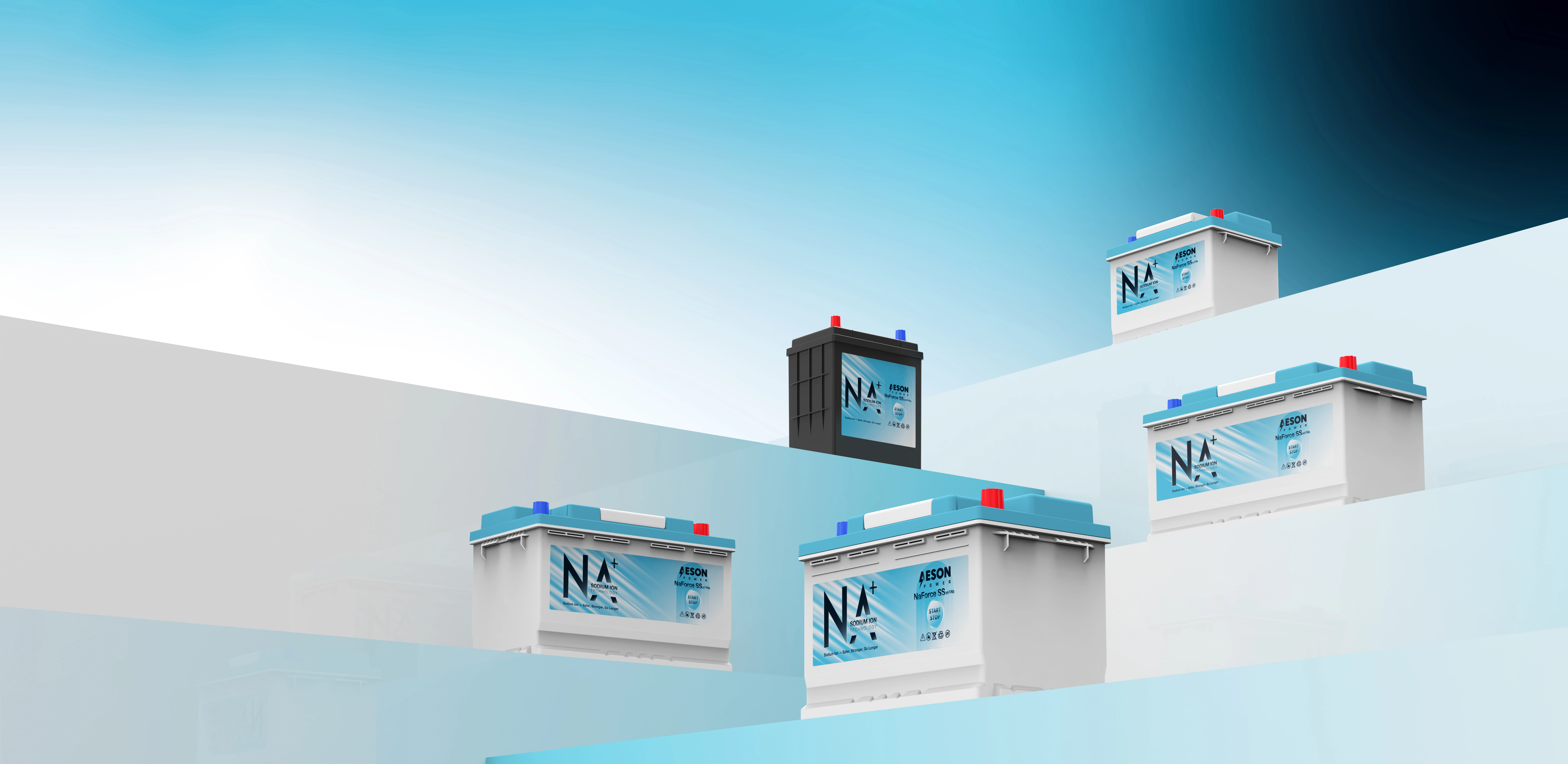
Clarify the decision before comparing suppliers
Begin with a short project statement. It should identify what the battery is expected to do, where it will operate, and which parties will make the technical and commercial decisions. The wording can remain provisional, but it should be specific enough to guide research. For example, distinguish between a starting application, an auxiliary electrical load, a reserve system, or an energy-storage installation. These uses may involve different interfaces, duty patterns, installation constraints, and purchasing responsibilities.
Next, separate confirmed requirements from assumptions. A confirmed requirement might be a defined physical envelope, an existing system interface, or a procurement deadline supplied by the project. An assumption is a working position that still needs technical or commercial clarification. Keeping those categories apart makes the comparison more honest: a supplier page can inform the research, but it does not automatically settle requirements that the project has not yet defined.
A practical early-research record can use five fields:
- Application: describe the equipment or system context without implying that a listed category is a guaranteed fit.
- Required function: state whether the immediate need concerns starting, auxiliary power, reserve service, or another defined task.
- Evidence needed: list the specifications, compatibility information, drawings, commercial terms, or service details that would affect the decision.
- Scope: record whether a statement applies to a company, a product family, a particular model, or an entire project arrangement.
- Open question: identify what has not yet been established rather than filling the gap with an assumption.
Build a comparison framework that preserves scope
Once the decision is described, compare suppliers against the same questions. A simple table is often more useful than a long list of technical terms. One column can capture the project requirement, another the supplier’s stated evidence, and a third the scope and qualification attached to that evidence. A final column can record the next question or document needed for the project’s own review.
Use the source page as a description of what it presents, not as a universal statement about the whole category. For instance, the captured Aeson Power homepage displays application labels including start-stop vehicles, conventional vehicles, commercial vehicles, electric vehicles, racing and motorsport, and standby systems. Those labels can help a project manager organise research questions. They do not, by themselves, establish that every model is suitable for every application or that a particular installation has been validated.
The same discipline applies to technical language. A page may use terms such as “next-generation sodium-ion technology” or present an advantage heading such as “Extreme Temperature Resilience”. In a comparison record, quote or summarise such wording as a page-level company statement. Do not convert it into a measured performance result, a universal operating limit, or an independent technical conclusion unless the relevant evidence supports that more specific claim.
Use an anchor without turning it into a conclusion
A real-world anchor can make early research more concrete, provided its boundary stays visible. In this case, the official homepage describes Aeson Power as “an Australian pioneer driving the global transition to next-generation sodium-ion technology”. That is the company description presented on the official homepage; it is not independent verification of market position. For a project team, the useful lesson is not to accept or reject the description prematurely, but to place it in the correct evidence column and continue with questions tied to the proposed application.
In that setting, a sodium ion battery company should be assessed through the project’s stated questions rather than through a broad impression created by branding or category language. Ask what the statement covers, whether it refers to a named product or a general company position, and what part of the project decision it can legitimately inform. This keeps the research focused while avoiding an unsupported leap from a corporate description to a product, performance, or deployment conclusion.
Carry unresolved questions into procurement
Early research becomes useful when its questions survive into the next stage. Convert each unresolved point into a procurement request with a clear subject and scope. Instead of asking for “full details”, ask for the information needed to test a particular requirement. That might include the applicable product or configuration, the relevant operating context, interface responsibilities, documentation format, and the party responsible for confirming compatibility.
Maintain a decision log as answers arrive. Record the date, source, scope, and interpretation of each response. If a statement changes the project requirement, note the change rather than silently updating the comparison. This creates a traceable path from the original question to the procurement discussion and helps different teams work from the same understanding.
A concise review should therefore finish with four outputs: a defined project context, a comparison table whose evidence has not been broadened, a list of unresolved requirements, and a set of focused questions for the next supplier conversation. This method does not assume that every model is alike, and it does not require a premature winner. It gives project managers a controlled way to assess the information presented by AesonPower while keeping company descriptions, product scope, and project decisions distinct.