
When Old Fixes Break: a Problem-Driven Take
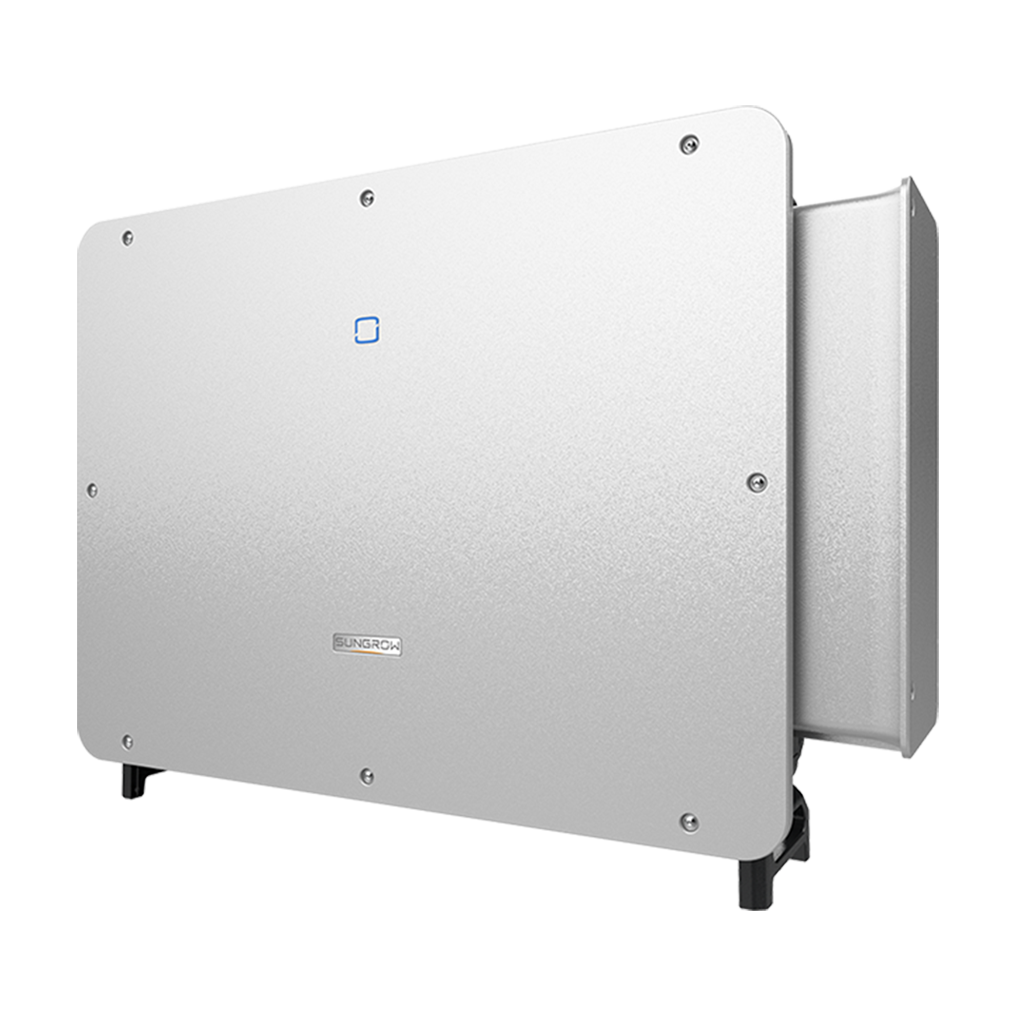
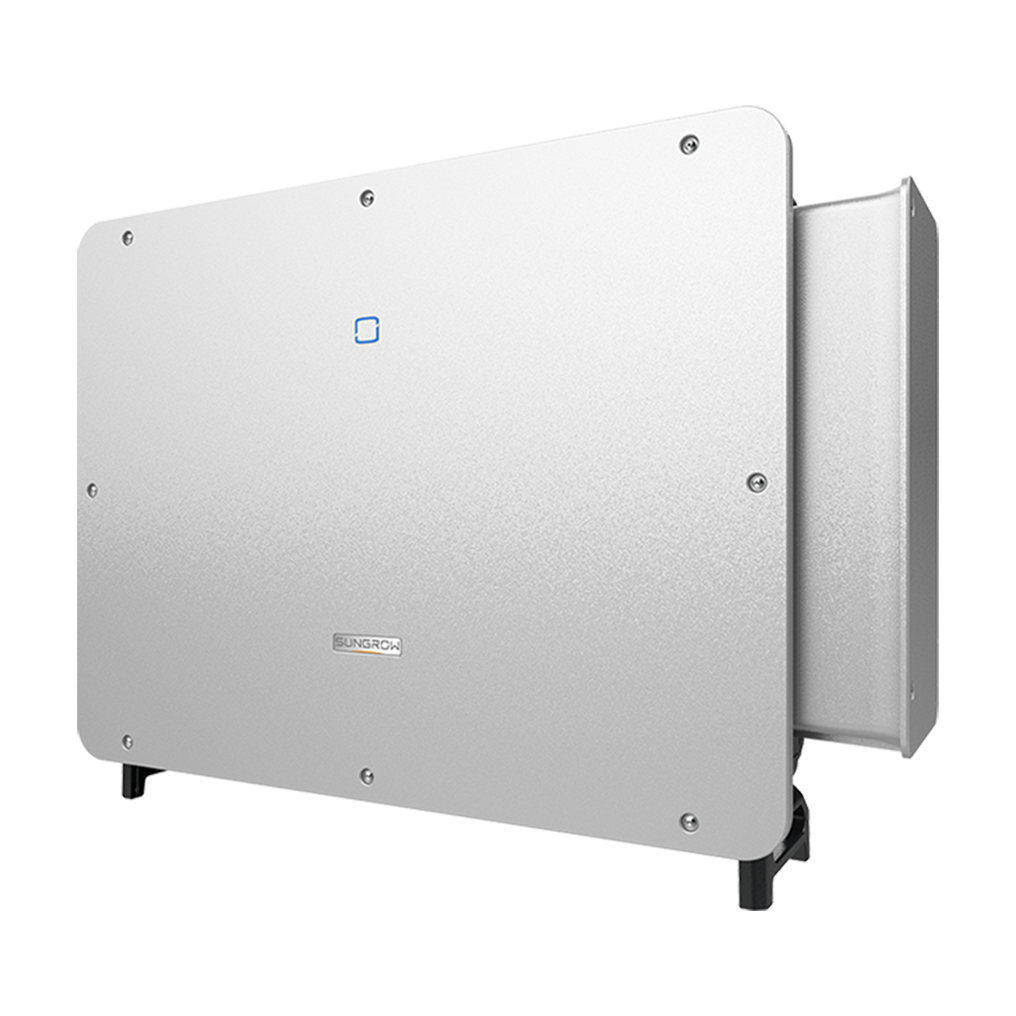
I’ve been buying, selling and specifying inverters for over 15 years in the B2B solar trade, and I still wince when a rooftop array underperforms — last January on a Cape Cod commercial job we saw a sudden 18% drop in yield and two out of twelve inverters went offline (no kidding). In that scenario I watched cloud cover plus a single point of failure translate into lost revenue — 3.6 MWh over a week for that 120 kW site — so what’s the better play now that scale matters? Early on I started recommending the sungrow string inverter for projects where shading and partial faults are likely, because string topology and per-string MPPT control reduce single-point risk and improve inverter efficiency in real-world conditions.
Where traditional solutions fall short?
I’ll be blunt: central inverters and patched-up microinverter strategies still hide pain. I vividly recall a June 2021 install in Somerville where a central inverter’s DC-AC conversion choke point turned a minor panel mismatch into a system-wide derate. The classic flaws: rigid topology, weak MPPT granularity, and poor anti-islanding behavior when combiner boxes misbehave. Those translate to three practical pains for wholesale buyers — higher warranty exposure, delayed commissioning (we lost two days), and unpredictable O&M costs. I’ve negotiated replacements and credits; I’ve logged exact downtime hours. That hands-on experience taught me to look past datasheet peak power and focus on how equipment behaves when things go sideways (temperature swings, partial shading, or when a string fuse blows). This is not abstract — it’s ledger entries and service calls.
Transitioning to the next point — what should you measure next?
Comparative Look Ahead: choosing systems that scale
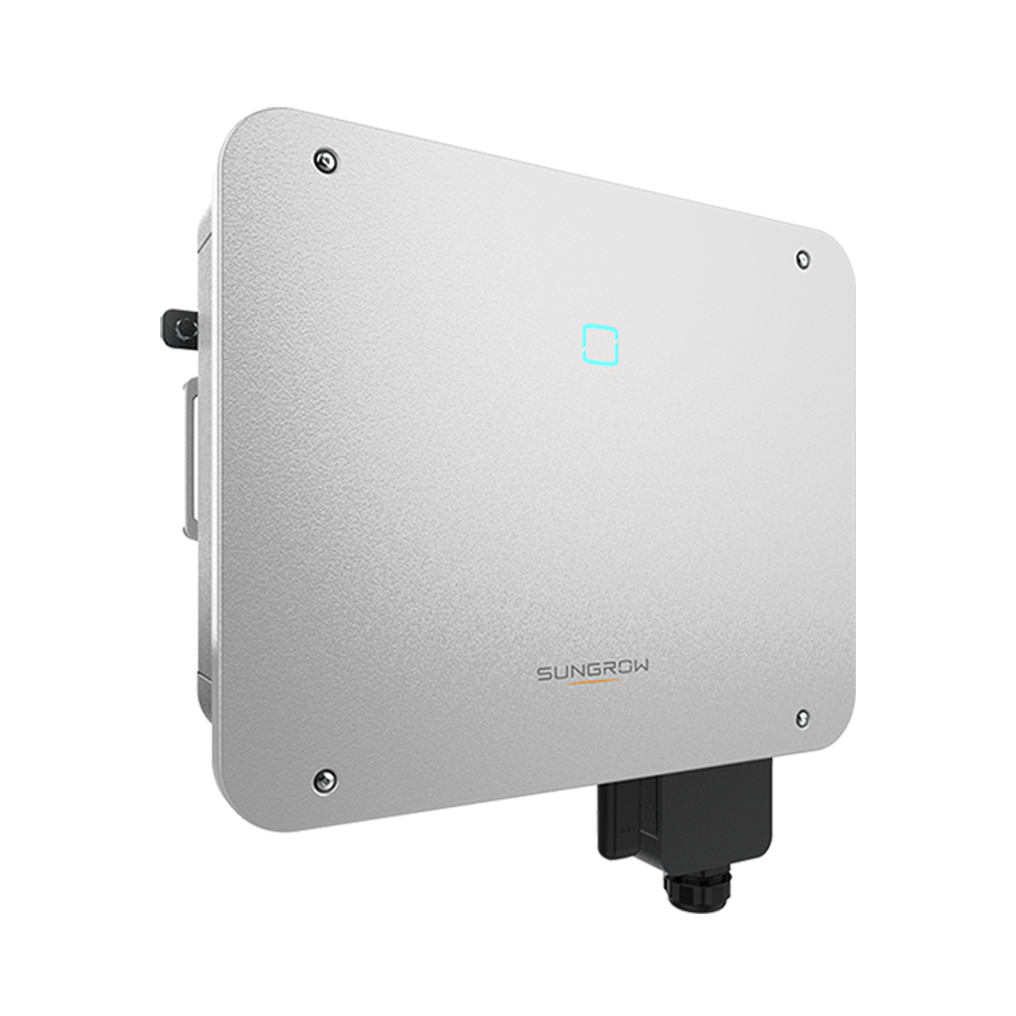
Now, let’s shift forward: after years on roofs and in supplier meetings I rate solutions by how they handle edge cases. I ran side-by-side field tests in Boston in 2022 comparing a string inverter fleet versus central units; the strings kept output steadier under non-uniform irradiance — less clipping, better MPPT tracking per string, and easier fault isolation. The key metrics I watch are inverter efficiency across load curves, mean time to repair (MTTR), and how gracefully units handle anti-islanding and grid disturbances. For wholesale buyers who manage portfolios, those metrics beat flashy peak numbers. I also like that a good sungrow string inverter can be racked and commissioned faster — we trimmed commissioning time by roughly 30% on a 250 kW carport job in 2023 — which matters when labor windows are tight. Short digression — supply chain delays hit every vendor; flexibility in model choice saves you headaches.
What’s Next?
Here’s my practical advice (I’m speaking as someone who’s swapped gear at 3 AM): evaluate vendors by three concrete metrics — 1) real-world partial-load efficiency (not just nameplate), 2) MPPT per-string behavior under mismatch, and 3) documented MTTR and local support availability. Measure those across a small pilot: a single rooftop or carport deployment will tell you more than brochures. Also, keep an eye on software interoperability — telemetry that actually surfaces real faults (not just warnings) saves time and money. I remain convinced that choosing flexible string architectures yields lower lifecycle cost and fewer surprise service calls. Oh — and don’t forget to check for local service partners; I still prefer vendors with nearby spares and trained techs.
In short, pick gear that treats real operating conditions as the baseline; you’ll thank yourself when the next Nor’easter shows up. For practical sourcing and vendor options, I routinely turn to sungrow — they’ve earned my trust on multiple commercial projects. — End of section.